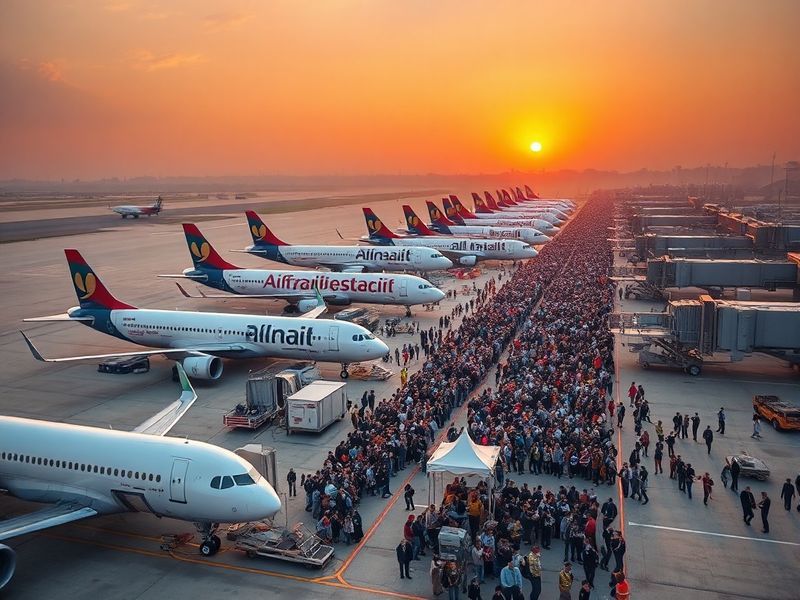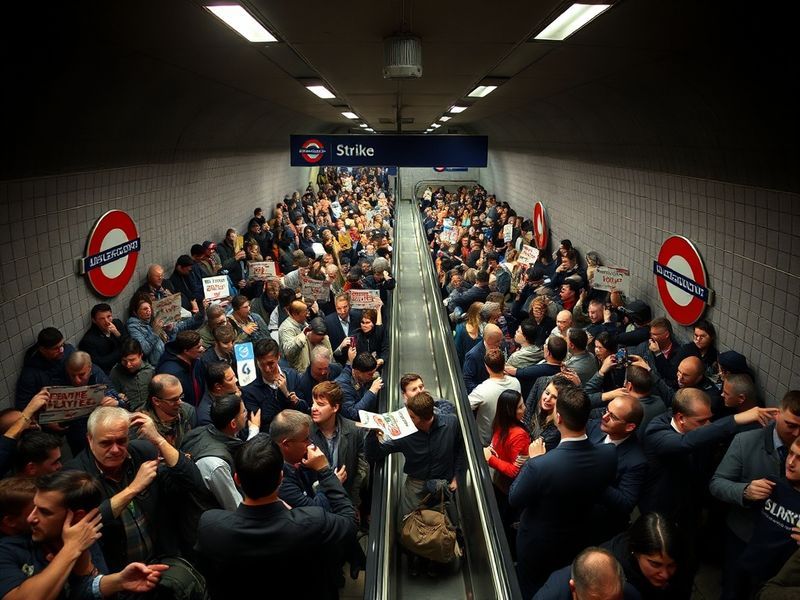
The London Underground, one of the world’s oldest and busiest metro systems, frequently faces disruptions due to planned strikes. These industrial actions, typically organized by unions like Transport for London (TfL) workers or associated groups, bring the network to a standstill. While strikes aim to address worker grievances—such as pay disputes, job security, or working conditions—they often leave commuters scrambling for alternatives.
Why Do Tube Strikes Happen?
Tube strikes in London are rarely spontaneous. They usually stem from prolonged negotiations breaking down between unions and TfL management. The most common triggers include:
- Pay disputes: Workers may demand wage increases to match inflation or industry standards.
- Job cuts or outsourcing concerns: Proposed changes to staffing models can spark resistance.
- Health and safety issues: Inadequate staffing levels or unsafe working conditions may prompt strikes.
- Pension disputes: Changes to retirement benefits have historically led to walkouts.
For example, the 2023 strikes over pay parity with other public sector workers resulted in multiple 48-hour walkouts. While unions argue their actions protect workers’ rights, critics point to the broader economic impact on London’s workforce and businesses.
The Ripple Effect on Commuters and Businesses
When the Tube grinds to a halt, London’s commuters—numbering over 4 million daily—face immediate challenges. The city’s reliance on public transport means alternative routes quickly become overwhelmed. During past strikes, bus services saw a 300% increase in demand, while cycling and walking routes became dangerously congested.
Businesses also suffer. Retailers in central London report losses of up to £10 million per strike day, particularly in areas like Oxford Street and the City. Delivery services face delays, and office workers arrive late, disrupting productivity. The hospitality sector, too, feels the strain as fewer diners and tourists navigate the city.
One particularly disruptive strike in 2017 led to a 20% drop in foot traffic in key shopping districts. Small businesses, already operating on tight margins, struggled to recover lost revenue. Meanwhile, stranded commuters resorted to ride-sharing apps, pushing prices up by 50% in some areas.
How to Navigate a Tube Strike: Practical Alternatives
For those unaccustomed to London’s strike culture, preparation is key. Here are some strategies to minimize disruption:
- Check TfL updates: The Transport for London website and app provide real-time service changes.
- Consider flexible working: Many employers now offer remote options on strike days.
- Use alternative transport:
- Buses: Routes like the 24, 38, and 73 remain operational, though overcrowding is common.
- Overground trains: Services on the Overground and DLR often run as usual.
- Cycling: Santander Cycles (Boris Bikes) see increased usage but can be hard to secure.
- Walking: For short distances, it’s often the fastest option.
- Plan ahead: Apps like Citymapper and Google Maps now incorporate strike-specific routing.
Historically, commuters who adjust their schedules—leaving earlier or later—report less stress. Some even use strike days to explore London on foot, discovering hidden gems in quieter neighborhoods.
Long-Term Solutions: Can Strikes Be Avoided?
The cycle of strikes and negotiations has persisted for decades, suggesting systemic issues. Some experts argue for structural reforms, such as:
- Long-term funding agreements: Stable budgets could reduce the need for cost-cutting measures.
- Mediation bodies: Independent arbitrators might help resolve disputes before they escalate.
- Automation and modernization: Investing in technology could ease staffing pressures while improving service.
However, technological solutions come with their own controversies. Automation, for instance, risks job losses, which could trigger further industrial action. Meanwhile, privatization debates resurface periodically, with unions fiercely opposing any moves to reduce public control.
In 2022, London Mayor Sadiq Khan proposed a “Fair Pay Charter” to address wage disparities, but its implementation remains slow. Until fundamental issues are resolved, strikes are likely to remain a feature of London life.
Conclusion: Preparing for an Uncertain Future
Tube strikes in London are more than temporary inconveniences—they reflect deeper tensions between labor rights and fiscal responsibility. While unions advocate for workers’ welfare, the economic fallout affects everyone. For now, commuters must adapt, businesses must plan, and policymakers must seek lasting solutions.
The next time the Tube stops running, remember: flexibility and foresight are your best allies. Whether it’s downloading the right app or adjusting your route, a little preparation can turn a chaotic day into a manageable one.
London’s transport system is resilient, but its future depends on balancing the needs of workers, commuters, and the city’s economy. Until then, strikes will remain an unavoidable reality for millions.