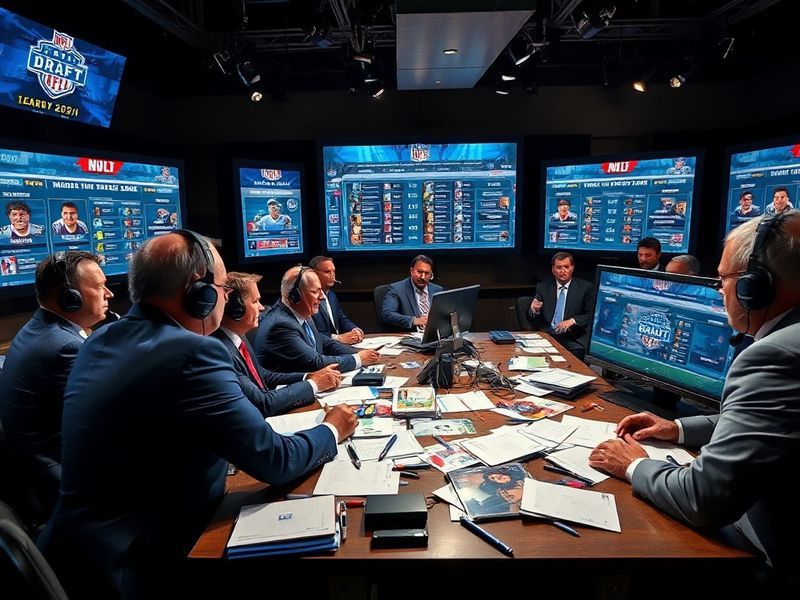
The NFL Draft serves as the league’s annual reset button, where franchises attempt to secure the next generation of stars while navigating unpredictable trades, surprises, and calculated risks. Mock drafts—projections created by analysts, insiders, and algorithms—have become the lifeblood of draft coverage. They shape fan expectations, influence front-office decisions, and even sway player evaluations.
These speculative drafts blend data science with human intuition, offering a window into how teams might approach the board. While no mock draft is ever perfect, the best ones balance tape study, combine measurables, medical reports, and organizational philosophy to craft plausible scenarios. For fans, they’re a form of early-season fantasy football. For teams, they’re strategic roadmaps in a high-stakes negotiation.
The Purpose and Psychology Behind Mock Drafts
At their core, mock drafts serve two primary audiences: media outlets and NFL personnel. For journalists and analysts, they’re content engines—evergreen pieces that spark debate, generate clicks, and build credibility. A well-timed mock draft can establish a writer’s reputation as a draft savant, especially when their projections align with reality.
For teams, mock drafts are low-stakes rehearsals. General managers and scouts use them to test trade scenarios, assess positional value, and prepare contingency plans. The exercise isn’t about predicting the future perfectly—it’s about stress-testing decisions under uncertainty. As one longtime scout once said, “Mock drafts are like chess matches. You’re not trying to win the game in the first move. You’re trying to see how the board evolves.”
The psychological component is equally important. Fans invest emotionally in mock drafts, often treating them as gospel. When a beloved prospect falls in a projection, social media erupts. When a team trades up unexpectedly, analysts scramble to justify the move. This collective engagement turns the draft into a year-round conversation, with mock drafts acting as the opening act.
How Accurate Are Mock Drafts? A Reality Check
Accuracy varies widely depending on timing, source, and draft class quality. Early mock drafts—published six months before the draft—are often speculative, relying on limited intel and projected needs. As the draft approaches, projections tighten, but surprises still emerge. In 2023, only 12 of the 32 first-round picks were correctly predicted by a majority of major mock drafts entering the final week.
Several factors contribute to the unpredictability:
- Medical Red Flags: A late-season injury or combine reveal can derail a player’s stock overnight.
- Organizational Philosophy Shifts: New regimes often prioritize different traits—speed over size, versatility over specialization.
- Trade Rumors: A single rumor can shift a mock draft overnight, especially when tied to draft capital or star players.
- Underclassmen Decisions: Players choosing to return to school or declare early can reshape positional tiers.
Despite the volatility, mock drafts remain valuable because they reflect the consensus of informed opinion. While no single projection is infallible, the convergence of multiple reputable sources often highlights the most likely outcomes. For example, in 2022, all major mock drafts projected a top-five selection for Aidan Hutchinson before the Lions selected him second overall.
Inside the Process: How Analysts Build Mock Drafts
Creating a credible mock draft requires a blend of art and science. Analysts rely on proprietary databases, scout reports, and proprietary grading systems. Many use software platforms like Dave’s Locker NFL Draft to model scenarios, track historical trends, and simulate trades.
The process typically unfolds in stages:
- Tier-Based Evaluation: Prospects are grouped by position and overall talent, not just by projected draft slot. Analysts assess athleticism, production, and scheme fit.
- Team-Specific Grading: Each team’s needs are weighed against their draft capital. A team with a weak offensive line might prioritize an interior lineman even if a higher-rated receiver is available.
- Trade Simulation: Analysts map out potential trade scenarios, using historical data to estimate fair value for picks.
- Final Adjustments: Late-breaking news—such as pro day performances or private workouts—can trigger last-minute revisions.
Some analysts incorporate machine learning models that analyze historical draft data to predict outcomes. These tools can identify undervalued players or overrated positional groups, but they’re only as good as the data they’re trained on. Human judgment remains essential, especially in interpreting intangibles like character and coachability.
For fans, the most engaging mock drafts are those that balance transparency with mystery. A well-crafted mock doesn’t just list names—it explains the “why” behind each pick, offering fans a deeper understanding of the draft’s strategic undercurrents.
Beyond the Headlines: The Broader Impact of Mock Drafts
Mock drafts influence more than just fan debates. They shape player markets, contract negotiations, and even training regimens. A prospect who rises in mock drafts may attract more investment from agents and trainers, preparing them for a higher selection. Conversely, a player who falls might alter their draft strategy entirely, opting for a late-round flier or an undrafted route.
For teams, the ripple effects are even more pronounced. A mock draft that projects a franchise quarterback to a specific team can trigger front-office overhauls or quarterback competitions. It can also influence salary cap planning, as early-round picks come with guaranteed contracts that limit financial flexibility.
The rise of social media has amplified the stakes. A viral mock draft can create unrealistic expectations for fans, leading to premature hype or undue criticism. It can also pressure teams to make moves based on public perception rather than internal evaluations. As one GM recently noted, “We watch the mocks, but we don’t live by them. Our job is to find players who fit our system, not chase the consensus.”
Yet, the mock draft ecosystem shows no signs of slowing down. With the NFL Draft expanding to three days and featuring more international picks, the demand for insightful projections will only grow. Fans crave narrative, and mock drafts provide a structured way to engage with the unknown. They turn the draft from a three-day event into a year-round conversation.
What’s Next for Mock Draft Culture
As analytics and scouting continue to evolve, so too will mock drafts. The integration of biometric data, virtual reality evaluations, and AI-driven scouting tools will refine projections, making them more precise. However, the human element will endure. Drafting football players isn’t just about measurable traits—it’s about projecting how a player will adapt to the NFL’s physical and mental demands.
For now, mock drafts remain a vital part of the NFL’s offseason theater. They’re equal parts entertainment and insight, offering fans a way to participate in the draft’s intrigue long before the first pick is made. Whether you’re a die-hard fan, aspiring scout, or casual observer, mock drafts provide a compelling lens into the league’s future.
To dive deeper into NFL Draft trends and analysis, visit Dave’s Locker NFL Draft hub, where expert insights and real-time updates keep you ahead of the curve.