Spain’s two coastal gems—Mallorca and Valencia—offer travelers contrasting experiences shaped by history, geography, and local culture. While both promise sun, sea, and vibrant nightlife, their identities diverge sharply once you look beneath the surface.
Mallorca, the largest of the Balearic Islands, is often associated with luxury villas, boutique hotels, and a quieter, upscale atmosphere. Valencia, on the other hand, is a dynamic mainland city known for its futuristic architecture, UNESCO-listed old town, and a thriving paella scene. Each destination attracts a different kind of visitor—one seeking island serenity, the other urban energy.
Cultural Depth and Urban Energy
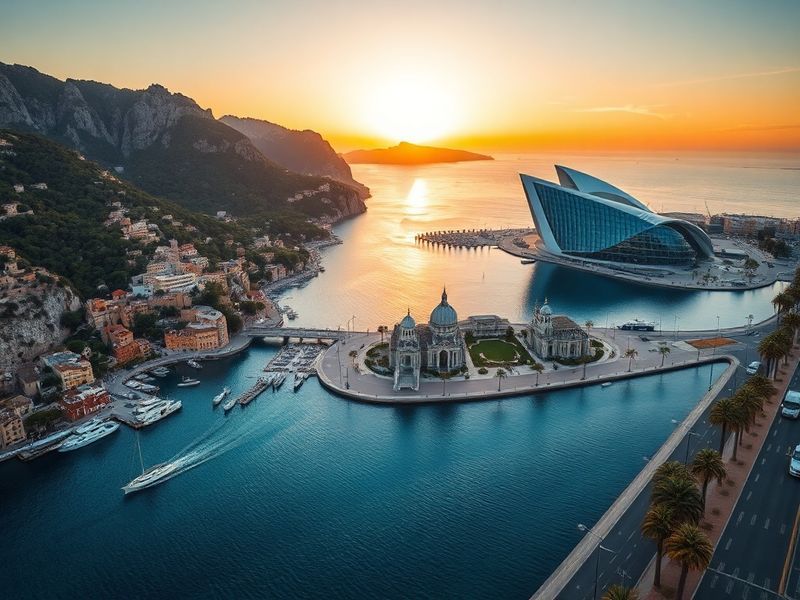
Valencia is a city where tradition and innovation coexist. The historic center, with its Gothic cathedral and the futuristic Ciudad de las Artes y las Ciencias, showcases a city that respects its past while embracing the future. The Fallas festival, a UNESCO-recognized event, draws crowds with its elaborate papier-mâché sculptures and nightly fireworks. Meanwhile, the Mercado Central offers a sensory feast of fresh produce, seafood, and local delicacies like horchata.
Mallorca, by contrast, feels more like a curated escape. Palma’s Gothic cathedral, illuminated beautifully at night, stands as a masterpiece of medieval architecture. Yet beyond the capital, the island unfolds in quiet coves, olive groves, and mountain villages where time moves slower. The cultural offerings are more intimate—think artisan wineries in Binissalem, artisan shoemakers in Inca, and family-run fincas serving traditional sobrasada.
What Defines the Vibe?
- Valencia: Urban, diverse, fast-paced, with a strong local identity rooted in festivals, food, and cutting-edge design.
- Mallorca: Island leisure, refined simplicity, slower rhythm, with a focus on nature and heritage.
Costs and Accessibility
Budget plays a significant role in choosing between these two destinations. Valencia is generally more affordable, especially for accommodations and dining. A mid-range hotel in the city center averages €80–€120 per night, while a comparable stay in Palma might run €100–€150. Public transport in Valencia is efficient and cost-effective, with a metro ticket costing just €1.50.
Mallorca, particularly during peak season (June–September), commands higher prices due to its reputation as a luxury hotspot. Car rentals are essential for exploring the interior, adding another €30–€50 per day. Yet, those willing to visit in shoulder seasons (May or October) can find better deals and fewer crowds.
Airport access also differs. Valencia’s smaller airport handles mostly European flights, making it ideal for short-haul travelers. Mallorca’s international airport in Palma is one of Spain’s busiest, with direct routes from North America and beyond—convenient for long-haul visitors but often pricier.
Key Cost Considerations
- Accommodation: Valencia wins in affordability, especially outside the city center.
- Food and drink: Paella and tapas in Valencia are often cheaper than seafood dishes in Mallorca’s coastal towns.
- Transport: Renting a car is more expensive in Mallorca, while Valencia’s compact size makes walking and public transit viable.
- Flights: Mallorca offers more global connections, but Valencia is easier to reach from major European hubs.
Lifestyle and Visitor Experience
Choosing between Mallorca and Valencia often comes down to what kind of traveler you are. The island appeals to those seeking a retreat—whether for yoga retreats in Sóller, cycling routes through Tramuntana, or quiet beaches like Cala Deià. It’s ideal for honeymooners, digital nomads, and families looking for space and privacy.
Valencia caters to a broader audience. Solo travelers, foodies, architecture enthusiasts, and partygoers all find something to love. The city’s Malvarrosa beach stretches for miles, lined with chiringuitos (beach bars) serving ice-cold beer and fresh grilled fish. The nightlife is concentrated in Ruzafa, a trendy district packed with cocktail bars and live music venues.
Another factor is the local attitude toward tourism. Valencia has actively worked to balance visitor numbers with resident quality of life, implementing measures like limiting tourist apartments in the city center. Mallorca, while dependent on tourism, has seen growing backlash against mass-market resorts, leading to a push toward sustainable and luxury tourism.
Which Should You Choose?
The decision ultimately depends on your priorities. If you value culture, culinary innovation, and a city that never sleeps, Valencia delivers on multiple levels. Its compact size allows for easy exploration, and its blend of old and new creates a uniquely Spanish experience.
Mallorca, though, offers something Valencia cannot: an escape. Whether it’s watching the sunset from a cliffside restaurant in Deià or waking up to the sound of sheep bells in the countryside, the island provides a slower, more contemplative pace. It’s perfect for travelers who want to disconnect without sacrificing comfort.
Both destinations showcase the best of Spain—one in a dynamic urban setting, the other in tranquil natural beauty. The real question isn’t which is better, but which aligns with your idea of the perfect getaway.
“Valencia is Spain as it could be—confident, creative, and welcoming. Mallorca is Spain as it once was—timeless, unhurried, and quietly profound.”
For more travel insights, explore our Europe travel section or read about best beach getaways in Spain.