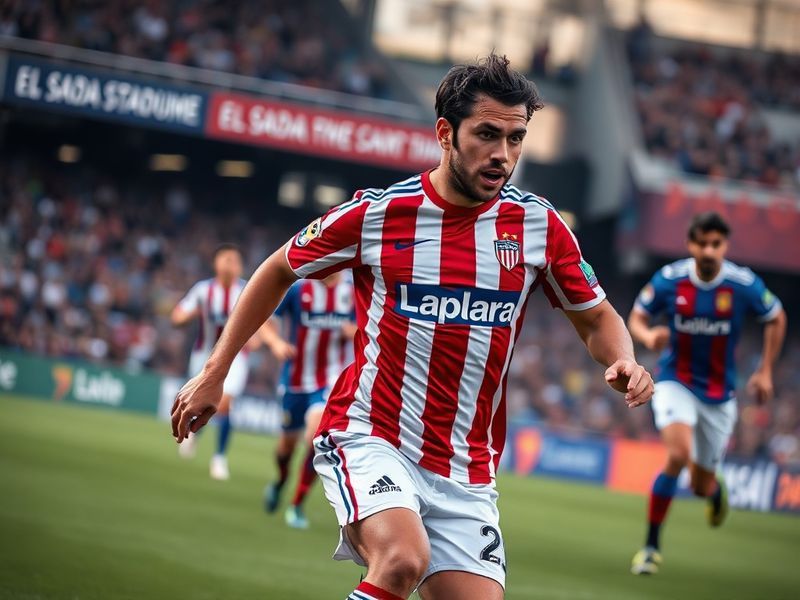
CA Osasuna’s relationship with Athletic Club Bilbao extends beyond a simple fixture in La Liga. The rivalry between these two clubs isn’t just about points on the table—it’s a cultural clash that defines football in northern Spain. With Pamplona’s working-class identity at its core, Osasuna has carved out a unique position in Spanish football that contrasts sharply with Athletic’s historical Basque nationalism.
The tension between the clubs dates back decades, rooted in more than just regional pride. Osasuna’s fans, known for their passionate support, see the matches against Athletic as battles for regional respect. These fixtures often carry the weight of Pamplona’s working-class values against Bilbao’s industrial heritage, making every encounter charged with meaning.
The Origins of a Passionate Rivalry
Osasuna was founded in 1920, just a year before Athletic Club Bilbao’s dominance in Spanish football began to solidify. While Athletic quickly established itself as a powerhouse, Osasuna remained rooted in its local community. The rivalry intensified in the 1950s when both clubs frequently competed in the top flight.
What makes this rivalry particularly compelling is how it reflects broader social dynamics in northern Spain. Osasuna’s fanbase comes from Navarra’s rural and working-class backgrounds, while Athletic draws from Bilbao’s industrial working class. This class divide adds another layer to the footballing feud, making each match more than just a game.
The clubs have met 106 times in official competitions, with Athletic holding a slight historical edge. However, Osasuna has produced memorable victories, including a 3-1 win at El Sadar in 2019 that sent shockwaves through Spanish football. These moments remind Athletic—and the rest of Spain—that Osasuna is never just an opponent to be dismissed.
How Osasuna’s Identity Differs from Athletic’s
Athletic Club Bilbao’s famous policy of fielding only Basque players has made it a unique institution in world football. This commitment to local talent has created a consistent identity that spans generations. Osasuna, while also proud of its Navarra roots, has taken a more pragmatic approach to squad building.
Osasuna’s transfer strategy often focuses on developing young talent from lower divisions rather than exclusively recruiting Basque players. This approach has allowed the club to remain competitive while maintaining its identity. The club’s academy has produced several notable players who have gone on to represent the first team, including midfielder Jon Moncayola and forward Rubén García.
In contrast to Athletic’s philosophical approach, Osasuna’s football often emphasizes physicality and direct play. Pamplona’s stadium, El Sadar, is known for its intimidating atmosphere, with fans creating a cauldron that tests visiting teams’ mental resilience. This working-class footballing style has become a hallmark of Osasuna’s identity, distinguishing it from Athletic’s more technical approach.
Both clubs share a commitment to developing local talent, but their methods reflect their different cultural contexts. Athletic’s Basque-only policy is a point of pride that has shaped its entire footballing philosophy, while Osasuna’s approach has allowed it to navigate the financial realities of modern football while maintaining its connection to Navarra.
Recent Form and Tactical Evolution
In recent seasons, Osasuna has established itself as a consistent La Liga performer under manager Jagoba Arrasate. The team’s 10th-place finish in the 2022-23 season demonstrated their ability to compete with larger clubs while maintaining their identity. Their style of play—characterized by high pressing and quick transitions—has drawn comparisons to European sides rather than their Basque neighbors.
Osasuna’s tactical evolution under Arrasate has been particularly noteworthy. The manager has blended the club’s traditional physical approach with more sophisticated pressing systems. This tactical flexibility has allowed Osasuna to compete against both relegation candidates and European hopefuls alike.
Meanwhile, Athletic Club has undergone its own transformation under manager Ernesto Valverde. While maintaining their Basque-only policy, the club has adapted tactically to remain competitive in modern football. Their emphasis on technical players like Iñaki Williams and Oihan Sancet has changed how they approach matches against Osasuna.
This tactical evolution has made recent encounters between the clubs particularly fascinating. The contrast between Osasuna’s physical pressing and Athletic’s technical possession play creates a tactical battle within the broader cultural rivalry. When these approaches collide on the pitch, the result is often unpredictable and entertaining football.
The Cultural Significance Beyond Football
The Osasuna-Athletic rivalry transcends the football pitch, reflecting deeper cultural and social tensions in northern Spain. For Navarra, a region that has historically sought greater autonomy from the Basque Country, these matches represent more than just sporting contests. They are opportunities to assert regional identity against Bilbao’s historical dominance.
Osasuna’s fan culture is particularly notable. The club’s Ultras, known as the Indar Gorri, are among the most passionate in Spain. Their displays of choreography and unwavering support create an atmosphere that intimidates visiting teams and inspires the home side. This fan culture has become an integral part of Pamplona’s identity, extending beyond matchdays into the city’s social fabric.
Athletic Club, meanwhile, represents Bilbao’s industrial heritage and its connection to the Basque nationalist movement. The club’s famous policy of only fielding Basque players has made it a symbol of Basque identity, both within Spain and internationally. When these two cultures collide on the football pitch, the result is a clash that resonates far beyond the 90 minutes of play.
Community engagement also distinguishes these clubs. Osasuna’s foundation works extensively with local youth programs, while Athletic’s Lezama academy has become a model for youth development worldwide. Both clubs recognize that their success depends not just on results, but on maintaining their connection to their respective communities.
Looking Ahead: What the Future Holds
The next decade will be crucial for both clubs as they navigate the challenges of modern football. Osasuna’s ability to maintain its identity while competing financially with Europe’s elite will determine its long-term success. The club’s recent European adventures, including a Europa League campaign in 2020-21, have shown that Osasuna can compete on the continental stage without losing its soul.
For Athletic Club, the challenge lies in maintaining its unique Basque-only policy while remaining competitive in an increasingly globalized sport. The club’s recent financial struggles and managerial changes have raised questions about its long-term sustainability. However, Athletic’s ability to consistently produce top-quality Basque players suggests that the policy remains viable, at least in the short term.
When these two clubs meet in the coming seasons, football fans can expect more than just points at stake. The cultural significance of these matches ensures that every encounter will carry weight far beyond the standings. Whether it’s Osasuna’s working-class resilience or Athletic’s Basque pride on display, these fixtures will continue to captivate Spanish football.
For supporters of both clubs, the rivalry represents something deeper than football. It’s a connection to their communities, their histories, and their identities. In a sport increasingly dominated by global forces, the Osasuna-Athlitic rivalry remains a powerful reminder of football’s ability to reflect and shape local cultures.
As both clubs continue their journeys, one thing is certain: when Osasuna and Athletic meet, football in Spain becomes more than just a game. It becomes a cultural event, a clash of identities, and a celebration of what makes northern Spanish football so special.
For more on Spanish football culture and rivalries, explore our Sports section. To understand how these local identities shape modern football, check out our News coverage of other cultural clashes in European football.