Queen Elizabeth II: 70 Years of Service That Defined a Nation
“`html
Queen Elizabeth II: A Reign Defined by Service and Stability
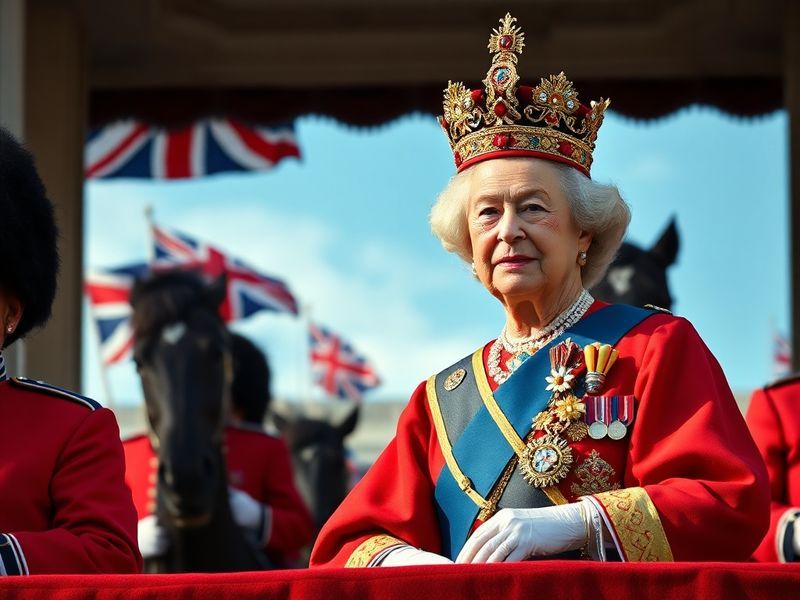
For 70 years, Queen Elizabeth II stood as a constant presence in a rapidly changing world. Her reign, the longest of any British monarch, was marked by quiet dignity, unwavering duty, and an ability to adapt without compromising tradition. From post-war austerity to the digital age, she navigated political upheavals, technological revolutions, and cultural shifts while maintaining the monarchy’s relevance.
The Early Years: Duty Before All Else
Elizabeth Alexandra Mary Windsor was born on April 21, 1926, to the Duke and Duchess of York—later King George VI and Queen Elizabeth. Her childhood was sheltered, shaped by the expectations of royal life rather than personal whims. When her uncle, King Edward VIII, abdicated the throne in 1936 to marry Wallis Simpson, the 10-year-old Elizabeth unexpectedly became first in line to the throne. The sudden shift forced her into a life of public service long before she was prepared for it.
During World War II, she insisted on contributing to the war effort, enrolling in the Auxiliary Territorial Service at 18. Training as a mechanic and truck driver, she became the first female royal to serve in the military. This experience instilled in her a lifelong belief in responsibility and self-sacrifice—values that defined her reign. Her 1947 marriage to Prince Philip, Duke of Edinburgh, solidified a partnership built on mutual respect, though not without challenges. Philip’s death in 2021 left a profound void, one she described as leaving her “heartbroken.”
The Crown’s Evolving Role in Modern Britain
The monarchy under Elizabeth II faced existential questions throughout her reign. The post-war era brought republican sentiments and debates over the institution’s cost and purpose. Yet, she managed to redefine the Crown’s role without abandoning its core traditions. The 1992 “Annus Horribilis” saw fires at Windsor Castle and public backlash over the royal family’s handling of scandals, including Prince Charles and Princess Diana’s separation. Her response was not defiance but accountability—she agreed to pay income tax for the first time and opened Buckingham Palace to public tours to generate revenue.
Her weekly meetings with prime ministers became a cornerstone of her influence. Unlike her predecessors, she avoided public political statements, instead offering counsel in private. Former Prime Minister John Major once remarked that her insights were “shrewd and informed,” a testament to her political acumen. This restraint allowed the monarchy to remain a unifying symbol even as Britain grappled with devolution, Brexit, and social upheaval.
The royal family’s relationship with the media also evolved under her watch. The 1997 death of Princess Diana forced the monarchy to confront its detachment from public sentiment. Elizabeth’s delayed public response initially drew criticism, but her televised address days later—where she acknowledged the nation’s grief—helped restore the Crown’s standing. It was a rare moment of vulnerability that humanized the institution.
Key Moments in Her Reign
- 1952: Accession to the throne at age 25 following her father’s death.
- 1965: First royal tour of Germany, symbolizing reconciliation after World War II.
- 1977: Silver Jubilee celebrations marked a high point in public affection.
- 1992: “Annus Horribilis” and her groundbreaking decision to pay taxes.
- 2012: Diamond Jubilee celebrations drew global crowds despite economic austerity.
- 2020: Address to the nation during the COVID-19 pandemic, echoing wartime spirit.
Global Influence and the Commonwealth’s Delicate Balance
Elizabeth II’s role as head of the Commonwealth connected her to 54 nations, many of which gained independence during her reign. Her visits to former colonies were often fraught with complex emotions—some welcomed her as a stabilizing figure, while others viewed her as a reminder of colonialism. In 2018, she became the first British monarch to visit Ireland in over a century, a symbolic step toward reconciliation.
Her 2011 state visit to Ireland was particularly notable. Amidst lingering tensions from the Troubles, she laid a wreath at the Garden of Remembrance and shook hands with former IRA commander Martin McGuinness. The gesture, though controversial among some unionists, underscored her ability to bridge divides through symbolic acts rather than words.
The Commonwealth’s future under King Charles III remains uncertain. While Elizabeth II’s personal relationships with leaders like Nelson Mandela and Barack Obama lent the organization gravitas, its relevance is now debated. Some nations, including Barbados, have transitioned to republics, challenging the monarchy’s symbolic role. Yet, her passing leaves a void that will be difficult to fill, given her unparalleled diplomatic finesse.
The Legacy of a Symbolic Figure
Elizabeth II’s death on September 8, 2022, at Balmoral Castle marked the end of an era. Her funeral, attended by world leaders and watched by millions, was a masterclass in blending tradition with modernity. The procession of the coffin from Westminster Hall to Westminster Abbey, the Queen Elizabeth II’s state funeral, and the broadcast of the service reflected a monarchy adapting to 21st-century expectations while honoring centuries-old customs.
Critics argue that the monarchy is an outdated institution, incompatible with contemporary democratic values. Yet, her ability to endure—through personal tragedies, political scandals, and societal changes—suggests that the Crown’s strength lies in its adaptability. She modernized without surrendering the mystique of monarchy, ensuring its survival where others might have faltered.
Her legacy extends beyond politics. She became a cultural touchstone, from the Entertainment industry’s portrayals of her in films like The Crown to her cameo in the 2012 London Olympics opening ceremony. These appearances demonstrated her willingness to embrace popular culture, further cementing her place in the public imagination.
Lessons from a Lifetime of Service
Elizabeth II’s life offers several enduring lessons:
- Adaptability: She evolved with each generation, from ration books to Instagram, without losing her core identity.
- Resilience: Personal losses, such as the deaths of her mother, sister, and Philip, did not diminish her public duties.
- Symbolism: In an age of skepticism toward institutions, she remained a unifying figure through sheer presence.
- Duty Over Ego: She prioritized the institution over personal preferences, a rarity in modern leadership.
Her passing leaves a monarchy at a crossroads. King Charles III faces the challenge of maintaining her legacy while addressing calls for reform. Yet, for many, Elizabeth II’s greatest achievement was her ability to embody continuity in an era of relentless change. She was, in many ways, the last true symbol of a vanishing Britain—one that balanced tradition with progress, duty with warmth, and history with hope.
The world will remember her not for the power she wielded, but for the stability she provided. In an age of disruption, her reign offered a rare constant—a reminder that some institutions endure not because they resist change, but because they learn to move with the times.