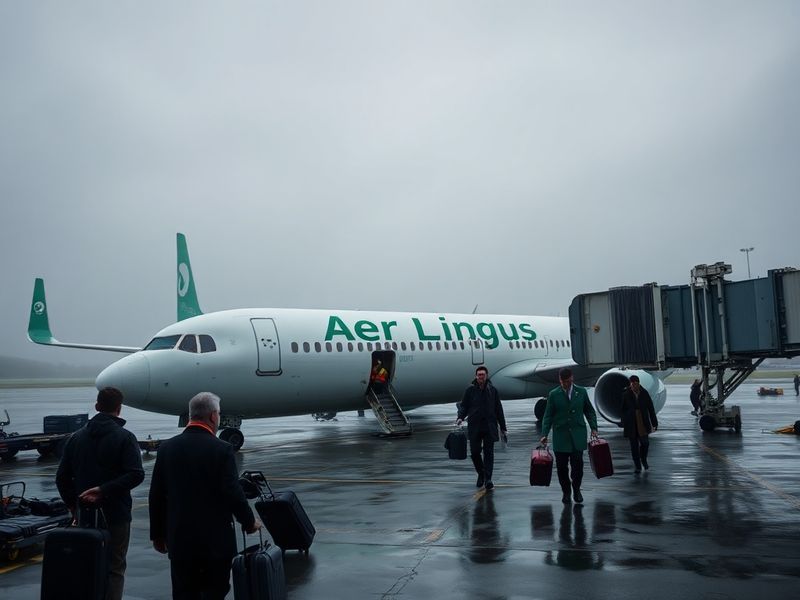
Aer Lingus, Ireland’s national carrier, has faced a wave of flight cancellations in recent months, leaving passengers stranded and plans in disarray. The disruptions have affected routes across Europe and North America, prompting questions about the airline’s operational challenges and their broader impact on travelers. While cancellations are not uncommon in the airline industry, the scale and frequency of Aer Lingus’s issues have drawn particular attention.
The Scope of the Disruptions
The cancellations span multiple European hubs, with Dublin Airport—a key Aer Lingus gateway—bearing the brunt of the delays. Reports indicate that technical issues, staff shortages, and adverse weather conditions have all contributed to the cancellations. In some cases, flights have been canceled with little notice, leaving passengers scrambling to rebook or find alternative arrangements.
Aer Lingus has attributed part of the problem to the lingering effects of the pandemic, which disrupted workforce training and operational readiness. The airline has also pointed to increased demand outpacing capacity, a trend seen across the aviation sector as travel rebounds post-pandemic.
Key Factors Behind the Cancellations
The cancellations are not isolated incidents but part of a broader pattern affecting Aer Lingus’s operations. The following factors have played a significant role:
- Staffing Shortages: Aer Lingus, like many airlines, has struggled to rebuild its workforce after pandemic-era layoffs and furloughs. Recruitment and training take time, and the airline has acknowledged delays in bringing new crew members up to speed.
- Technical Issues: Some cancellations have stemmed from aircraft maintenance problems, including engine issues and avionics failures. While routine, these problems become more disruptive when compounded by other operational challenges.
- Weather Disruptions: Unpredictable weather, particularly in winter, has forced Aer Lingus to cancel flights to and from Ireland. Dublin Airport, in particular, is prone to fog and high winds, which can ground planes for hours.
- Air Traffic Control Strikes: Industrial action by air traffic controllers in Europe has led to delays and cancellations, further straining Aer Lingus’s schedule.
Passenger Impact and Customer Service Challenges
The cancellations have left many passengers frustrated, with some reporting long waits for refunds or rebooking options. Social media has become a platform for complaints, with travelers sharing stories of stranded families and missed connections. Aer Lingus has responded by offering compensation where applicable and prioritizing rebooking for affected passengers.
However, the airline’s customer service has also faced scrutiny. Long hold times and automated responses have added to the frustration, particularly for those trying to navigate rebooking during peak travel periods. The European Union’s passenger rights regulations, including EU261, require airlines to provide compensation and assistance for cancellations under certain conditions, but enforcement varies.
What Travelers Can Do
For passengers booked on an Aer Lingus flight, preparation can mitigate disruption. Aer Lingus advises checking flight status before heading to the airport and signing up for real-time updates via the airline’s app or website. Travelers should also review their rights under EU261, which entitles them to compensation for cancellations within the airline’s control.
In cases of widespread disruptions, such as those caused by strikes or weather, flexibility is key. Booking refundable tickets or choosing alternative dates can reduce the risk of being stranded. For those already affected, documenting expenses incurred due to cancellations—such as hotels or meals—can help when filing claims for compensation.
Broader Implications for the Airline Industry
Aer Lingus’s cancellations reflect broader challenges in the aviation industry, where airlines are grappling with post-pandemic demand while rebuilding operational resilience. The pandemic accelerated retirements and layoffs, leaving airlines like Aer Lingus with staffing gaps that are not easily filled. Training new pilots, flight attendants, and maintenance crews takes months, and the industry is still catching up.
The cancellations also highlight the fragility of global supply chains, from aircraft parts to air traffic control systems. Any disruption in one area can cascade into widespread delays, underscoring the need for contingency planning in an industry where precision is critical.
For Aer Lingus specifically, the cancellations risk damaging its reputation as a reliable carrier. The airline has long positioned itself as a premium option for transatlantic travel, but persistent disruptions could erode passenger trust. Competitors like Ryanair and British Airways have capitalized on Aer Lingus’s struggles, offering alternative routes and schedules to travelers seeking more reliable options.
Aer Lingus’s Response and Future Outlook
Aer Lingus has pledged to address the cancellations through increased staffing and improved operational protocols. The airline is hiring additional crew members and investing in training programs to ensure readiness for peak travel periods. It has also worked with Eurocontrol, the European air traffic management organization, to mitigate the impact of strikes and weather-related disruptions.
Looking ahead, the airline’s ability to stabilize operations will depend on several factors, including labor market conditions, geopolitical stability, and demand trends. If the cancellations persist, Aer Lingus may need to reassess its route network or fleet allocation to reduce reliance on high-risk schedules.
For now, travelers are advised to stay informed and plan accordingly. While the cancellations are a setback, they are not insurmountable with the right preparation.
Conclusion: Navigating the Turbulence
Aer Lingus’s flight cancellations are a reminder of the complexities of modern air travel. While the disruptions are disruptive, they also offer an opportunity for airlines to refine their operations and for passengers to become more informed travelers. By understanding the causes of cancellations and knowing their rights, travelers can better navigate these challenges and minimize the impact on their plans.
Aer Lingus’s situation is not unique, but its response will shape how passengers view the airline in the years to come. As the industry continues to recover, the lessons learned from these disruptions may lead to more resilient and passenger-friendly policies across the board.
For now, the skies remain turbulent, but with careful planning, travelers can still reach their destinations—even if the journey takes an unexpected detour.
For more insights on travel disruptions and airline policies, visit Dave’s Locker Travel or explore our News section for updates on industry trends.