Mallorca’s Global Reinvention
For decades, Mallorca existed in the popular imagination as a sun-drenched escape for British holidaymakers and German retirees, a place where the most daring activity involved finding the best paella on the promenade. Yet the island has spent the last ten years quietly dismantling that reputation, transforming itself into something far more nuanced.
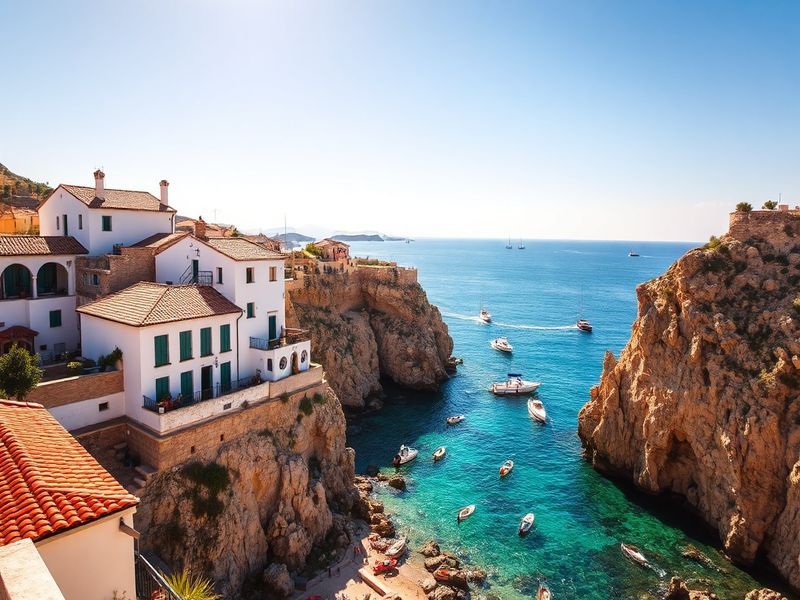
The shift began not with a marketing campaign but with a cultural migration. Artists, digital nomads, and second-home owners from Scandinavia, the Netherlands, and beyond arrived with laptops and sketchbooks rather than sun hats. They were drawn not just by the climate but by the island’s raw, rugged beauty—its Tramuntana mountains, hidden coves, and olive groves that stretch like silver ribbons across the interior. The result is a Mallorca that feels less like a package-holiday relic and more like a European cultural outpost, where traditional fincas now host co-working spaces and Michelin-starred restaurants sit beside centuries-old cellers.
A Cultural Crossroads in the Mediterranean
Mallorca’s identity has always been a palimpsest. Phoenicians, Romans, Moors, and Catalans each left their mark, and today that layered history shapes the island’s modern character. Palma’s Gothic cathedral, La Seu, stands as a testament to Gothic grandeur, while the narrow streets of Alcúdia whisper of medieval trade routes. Yet the most visible transformation is happening in the arts.
Local galleries in Palma and Sóller now showcase work by international artists, and festivals like the International Film Festival of Mallorca attract filmmakers from around the world. The Fundació Miró Mallorca, dedicated to Joan Miró, has expanded its programming to include contemporary installations that dialogue with the landscape. Even the island’s cuisine reflects this evolution, blending traditional sobrasada with avant-garde techniques in restaurants like Adrian Quetglas’s Adrián Quetglas in Palma.
Economy and Identity: Who Really Owns Mallorca Now?
The island’s economic engine has shifted from tourism alone to a diversified model that includes real estate, tech, and agriculture. According to the Balearic Institute of Statistics, the number of foreign residents with long-term visas rose by 22% between 2019 and 2023. Many are remote workers lured by the Balearic Islands’ Digital Nomad Visa, which offers tax incentives and a relaxed pace of life.
This influx has created tensions. Locals in towns like Valldemossa and Deià report rising property prices that push out younger residents. The average price per square meter in Palma increased by 45% from 2018 to 2023, according to Tinsa. Meanwhile, traditional pageses (farmers) struggle to compete with foreign-owned olive groves converted into boutique hotels. The island’s government has responded with policies like the Law of Sustainable Tourism, which caps new hotel beds and promotes seasonal work regulations.
The Environmental Paradox
Mallorca’s natural beauty is both its greatest asset and its most fragile resource. The island’s water supply is under strain, with aquifers depleted by golf courses and luxury villas. In 2022, the Balearic government declared a drought emergency, implementing water restrictions and banning new swimming pools in some areas.
Yet conservation efforts are gaining ground. Organizations like GEN-GOB Mallorca work to protect the island’s biodiversity, particularly in the Serra de Tramuntana, a UNESCO World Heritage Site. Their projects include reforestation, invasive species removal, and campaigns to reduce light pollution, which threatens the nesting grounds of the endangered Caretta caretta sea turtle.
The environmental movement has also influenced tourism. A growing number of visitors now seek eco-certified accommodations, such as Son Brull Hotel & Spa in Pollença, which runs on solar power and partners with local conservation groups. Meanwhile, the rise of “slow travel” has led to an increase in cycling tours along the coastal roads and agritourism experiences in the interior.
Mallorca’s Place in the World
Mallorca’s story is emblematic of broader global trends. It reflects the tension between preservation and progress, between tradition and transformation. The island’s ability to reinvent itself without losing its soul offers lessons for other destinations facing similar pressures.
In an era where places are increasingly commodified, Mallorca reminds us that identity is not static. It is shaped by the people who choose to live there, the policies that govern it, and the choices visitors make when they arrive. The island’s future will depend on balancing growth with sustainability, authenticity with innovation.
For now, Mallorca remains a paradox—a place where the past and future coexist, where a sunset over Cap de Formentor can feel both timeless and fleeting. It is no longer just a destination. It is a conversation.
What’s Next for Mallorca?
Several initiatives are poised to shape the island’s trajectory in the coming years:
- Expansion of the Digital Nomad Visa: The Balearic government is considering extending tax benefits to attract more remote workers, with a focus on those in creative and tech industries.
- Renewable Energy Projects: Plans are underway to increase solar and wind energy production, aiming to make Mallorca carbon-neutral by 2050.
- Cultural Heritage Restoration: Funding has been allocated to restore historic sites, including the Castell de Bellver and the Palau de l’Almudaina, to boost cultural tourism.
- Sustainable Agriculture Programs: Initiatives to support local farmers and reduce food miles are gaining traction, with subsidies for organic farming and farmers’ markets.
A Final Thought
Mallorca’s reinvention is still unfolding. It is a story of adaptation, resilience, and reinvention—a reminder that places, like people, are not defined by their origins alone but by the choices they make along the way.