The Devil Wears Prada and the Reinvention of Workplace Dramas
The Devil Wears Prada premiered in 2006 to immediate acclaim, not just as a fashion film but as a sharp workplace satire that resonated across industries far beyond Fifth Avenue. Based on Lauren Weisberger’s 2003 novel, the film transformed the publishing world into fertile ground for drama, ambition, and transformation. Unlike traditional corporate narratives that often glorify ruthless ambition, the story found a balance between critique and empathy, making it relatable to anyone who has ever navigated a high-pressure job.
At its core, the film is about Andrea “Andy” Sachs, a young journalist who lands a coveted assistant position at Runway magazine under the merciless reign of Miranda Priestly, played with icy perfection by Meryl Streep. What unfolds is a year of personal and professional evolution, where Andy learns that power isn’t just about wearing designer clothes—it’s about understanding the systems that create them. The film’s enduring appeal lies in this duality: it’s both a fantasy of upward mobility and a cautionary tale about the cost of assimilation.
The Fashion Industry Through a Non-Fashion Lens
One of the most striking aspects of The Devil Wears Prada is how it demystifies the fashion industry without romanticizing it. The film never shies away from depicting the cutthroat nature of high fashion, from the endless runway rehearsals to the passive-aggressive power plays in the office. Yet, it also humanizes the people behind the scenes—designers, editors, assistants—each playing a role in a larger cultural machine.
Miranda Priestly isn’t just a villain; she’s a symbol of institutional power. Her infamous “cerulean speech” in the film—where she explains how trends trickle down from the elite to the masses—isn’t just a fashion lesson. It’s a commentary on how authority shapes culture, often invisibly. This scene resonated globally because it mirrored real-world dynamics in media, art, and even politics, where decisions made by a select few ripple outward to define what the public consumes and values.
In countries like Japan and South Korea, where fashion and pop culture intersect deeply, the film gained a cult following not just for its style but for its portrayal of workplace dynamics. The idea of a young professional clawing their way up while questioning their identity struck a chord in societies known for intense work cultures and rigid hierarchies.
Miranda Priestly: A Character for the Ages
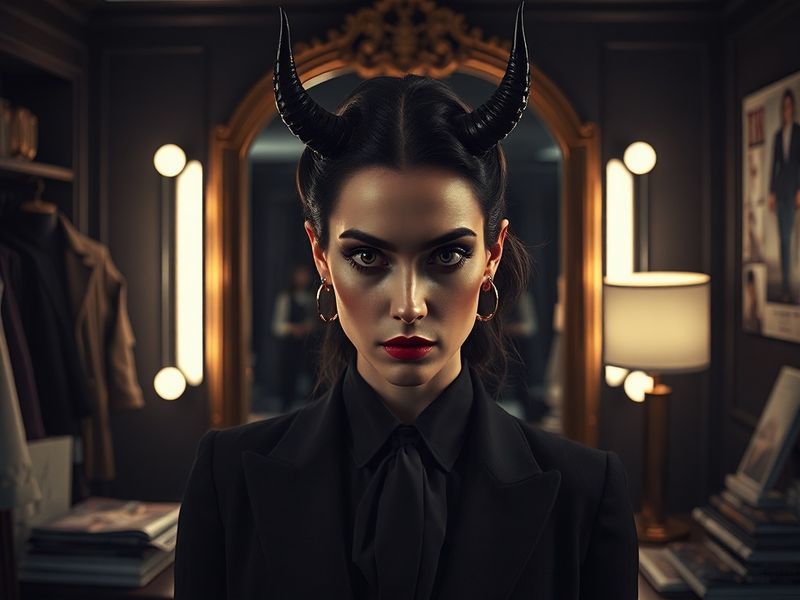
Meryl Streep’s portrayal of Miranda Priestly is one of the most iconic performances in modern cinema. She doesn’t just play a demanding boss; she embodies the archetype of the untouchable authority figure who operates with cold logic and unshakable confidence. Miranda doesn’t raise her voice—she doesn’t need to. Her power lies in her presence, her precision, and her ability to make others feel both indispensable and disposable in the same breath.
What makes Miranda compelling is her complexity. She’s not a one-dimensional tyrant. She’s a woman who has built an empire, survived in a male-dominated industry, and demands excellence because she knows the cost of mediocrity. Her relationship with Andy is fascinating because it’s not just about control—it’s about legacy. Miranda sees something in Andy that others don’t: potential tempered by authenticity. That tension drives the film’s emotional core.
Miranda’s influence extended beyond the screen. In fashion schools and corporate training programs worldwide, her character became a case study in leadership, power dynamics, and the ethics of ambition. Some hailed her as a role model for unapologetic professionalism, while others critiqued her as emblematic of toxic workplace cultures that prioritize results over well-being.
The Global Ripple Effect of a Fashion Film
The Devil Wears Prada wasn’t just a hit in the United States—it became a global phenomenon, sparking conversations about fashion, feminism, and professional identity in diverse cultural contexts. In Europe, where fashion is deeply tied to national identity, the film was dissected for its portrayal of Parisian haute couture and Milanese design houses. Critics debated whether the film romanticized elitism or exposed its underbelly.
In India, where the fashion industry has grown exponentially over the past two decades, the film was both aspirational and cautionary. Young designers and stylists saw it as a roadmap to success, but also recognized the sacrifices it demanded. The Bollywood film industry, in particular, drew parallels between Miranda’s Runway and the cutthroat world of film production, where nepotism and relentless competition are often the norm.
In Latin America, the film resonated with audiences who saw their own struggles reflected in Andy’s journey—balancing passion with survival, dreams with debt. The fashion industry in countries like Brazil and Mexico has its own hierarchies and gatekeepers, and the film served as a mirror to those dynamics.
The Legacy: More Than a Wardrobe
Two decades after its release, The Devil Wears Prada remains more than a fashion film. It’s a cultural artifact that continues to influence how we talk about work, ambition, and identity. The film’s critique of the fashion industry’s exclusivity feels even more relevant today, as sustainability and diversity take center stage in global conversations about style and ethics.
The wardrobe, curated by Patricia Field, became iconic not just for its glamour but for its storytelling. Each outfit Andy wears reflects her journey—from frumpy outsider to someone who understands the language of power. The film’s influence can be seen in modern TV shows like Succession and Emily in Paris, which blend workplace drama with high-stakes ambition.
The Devil Wears Prada also paved the way for more nuanced portrayals of women in film, particularly those in positions of authority. Miranda Priestly shattered the stereotype of the “bitchy boss” by giving her depth, intelligence, and a tragic edge. She wasn’t just a villain—she was a woman shaped by a system that rewards ruthlessness.
A Final Thought: The Cost of the Runway
What makes The Devil Wears Prada endure is its refusal to offer easy answers. Andy’s transformation isn’t celebrated uncritically. The film asks whether it’s worth sacrificing your values to climb the ladder, whether assimilation is the same as success, and whether power corrupts or simply reveals who you already are.
Miranda’s final line to Andy—“You think this has nothing to do with you”—is a reminder that we are all complicit in the systems we navigate. That’s the film’s lasting power: it doesn’t let its audience off the hook. It challenges us to look beyond the surface, to ask who really holds the power, and whether we’re willing to pay the price to wear the crown.
In a world where workplace cultures are increasingly scrutinized and ambition is both celebrated and criticized, The Devil Wears Prada remains a vital conversation starter. It’s not just about fashion. It’s about the choices we make, the identities we shed, and the legacies we leave behind.