The Rise of the Pussycat Dolls
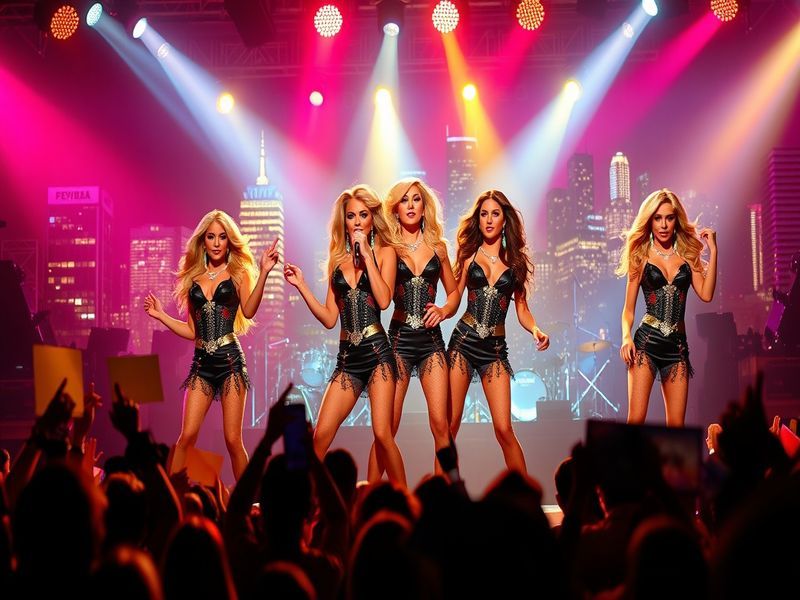
The Pussycat Dolls emerged as a prominent girl group in the mid-2000s, blending music, dance, and a unique aesthetic that captivated audiences globally. Founded by the choreographer Robin Antin in 1995, the group originally began as a burlesque troupe. However, it wasn’t until the early 2000s that the Dolls transitioned into a musical act, releasing chart-topping hits that showcased their vocal talent and choreography.
Members of the Pussycat Dolls
The lineup of the Pussycat Dolls has seen changes over the years, but several key members have left a lasting impact. Here’s a look at some of the most notable members:
- Nicole Scherzinger – The lead singer and most recognized face of the group, Nicole’s powerful vocals helped propel the group to fame.
- Ashley Roberts – Known for her bubbly personality, Ashley contributed both as a singer and dancer, bringing energy to performances.
- Jessica Sutta – Another strong vocalist, Jessica was known for her sultry stage presence and dynamic dance skills.
- Melody Thornton – The youngest member, Melody showcased impressive vocal range and often provided background harmonies.
- Kimberly Wyatt – A talented dancer, Kimberly added a unique flair to the group’s choreography and performances.
Musical Contributions and Impact
The Pussycat Dolls released several hit singles, including “Don’t Cha,” “Buttons,” and “When I Grow Up.” Each song not only dominated the charts but also influenced pop and R&B music trends. Their sound often combined catchy hooks with urban beats, attracting a diverse fan base. The group was known for its blend of pop sensibilities with a hint of edgy femininity.
In addition to their musical success, the Pussycat Dolls also made significant contributions to the visual aesthetics of pop music. Their music videos often featured elaborate choreography, striking costumes, and a bold representation of female empowerment. This combination of elements helped redefine what it meant to be a female artist in the music industry.
Cultural Context and Legacy
The Pussycat Dolls’ rise coincided with a time when girl groups were experiencing a resurgence. They stood out not only for their music but also for their distinctive style and approach to performance. The group’s blend of sexuality and empowerment resonated with many fans, sparking discussions about the representation of women in entertainment.
While the group faced criticism for their provocative image, they also opened doors for discussions about female agency in the music industry. The Pussycat Dolls highlighted the importance of performance art, showcasing that female artists could embrace both sensuality and strength. This duality is a theme that continues to influence contemporary artists today.
Despite their disbandment in 2010, the Pussycat Dolls have left a lasting legacy. The group reunited in 2019, announcing new music and performances, which reignited interest in their original catalog and brought them back into the spotlight. Their influence can be seen in various modern pop acts that blend music with strong visual elements.
Conclusion
The Pussycat Dolls remain a significant part of pop music history, not only for their catchy songs but also for their cultural impact. The members of the group brought unique talents and personalities that contributed to a collective identity that resonated with fans worldwide. As they continue to evolve and inspire a new generation of artists, the legacy of the Pussycat Dolls endures, reminding us of the power of music and performance in shaping cultural narratives.
For more insights into the world of music and entertainment, check out our Music section on Dave’s Locker.