<!DOCTYPE html>
<html lang="en">
<head>
    <meta charset="UTF-8">
    <meta name="viewport" content="width=device-width, initial-scale=1.0">
    <title>Mallorca: Beyond the Beach Towel Stereotypes</title>
</head>
<body>
    <article>
        <h1>Mallorca: Beyond the Beach Towel Stereotypes</h1>
        <p>Mallorca has long been the default answer when someone mentions Spain, yet few places are as misunderstood. The island is not just a sun-soaked postcard of beach umbrellas and sangria. Beneath its coastal glamour lies a complex cultural landscape shaped by centuries of migration, agriculture, and tourism.</p>

        <h2>The Island’s Economic Evolution: From Oranges to All-Inclusives</h2>
        <p>Mallorca’s economy has undergone dramatic shifts. In the 19th century, the island thrived on exporting oranges, lemons, and olive oil to mainland Europe. By the mid-20th century, however, tourism became the dominant force. British and German charter flights transformed Palma into a gateway for mass vacationers seeking predictable sunshine.</p>

        <p>Yet this transition came at a cost. Local industries such as fishing and artisan crafts declined as resorts expanded. The rise of budget airlines and digital booking platforms accelerated this shift, turning Mallorca into a seasonal monoculture dependent on European holidaymakers. While tourism injects over €18 billion annually into the regional economy, it also creates pressure on infrastructure, housing, and cultural identity.</p>

        <h3>Key Phases of Mallorca’s Economic Transformation</h3>
        <ul>
            <li><strong>Pre-1950s:</strong> Agriculture and maritime trade dominated, with exports to France and Italy.</li>
            <li><strong>1950s–1970s:</strong> Post-war prosperity and cheap flights brought the first wave of mass tourism.</li>
            <li><strong>1980s–2000s:</strong> Resort expansion peaked, with Mallorca branded as Europe’s “sun-and-fun” capital.</li>
            <li><strong>2010s–Present:</strong> Digital nomad influx and eco-tourism initiatives attempt to diversify the economy.</li>
        </ul>

        <h2>Cultural Identity Under Strain: Who Really Owns Mallorca?</h2>
        <p>The island’s identity is increasingly contested. While 70% of residents are native Mallorquins, the population swells to nearly 1.2 million during peak season—many of whom are temporary workers or second-home owners. The Catalan language, co-official with Spanish, is still spoken daily in villages, but its presence wanes in tourist zones where English and German dominate.</p>

        <p>This cultural friction is not unique to Mallorca, but it is intensified by the scale of tourism. Local festivals like <em>Sant Joan</em> in Palma retain deep roots, yet commercial venues now host “international” parties that dilute tradition. The result is a paradox: Mallorca sells authenticity, yet the infrastructure often prioritizes convenience over cultural preservation.</p>

        <h2>The Environmental Paradox: Paradise at What Cost?</h2>
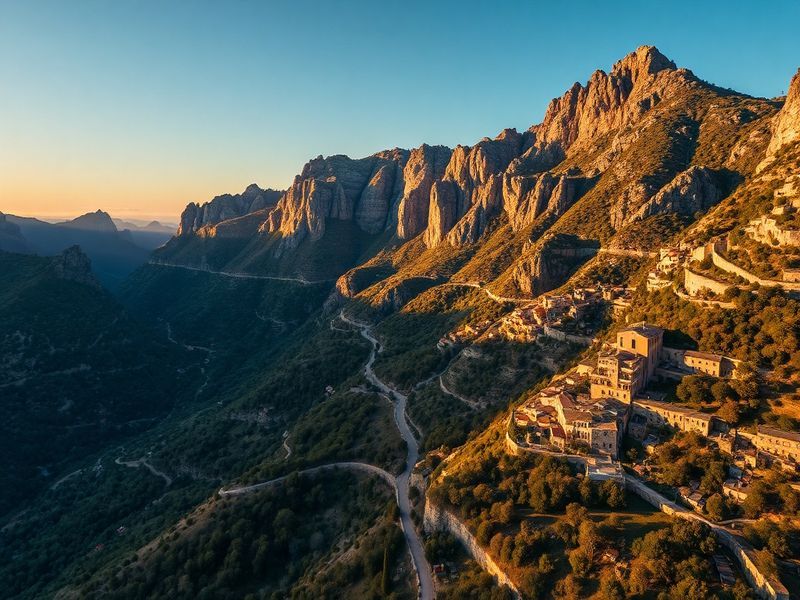
        <p>Mallorca’s natural beauty—its Tramuntana Mountains, hidden coves, and endemic flora—faces mounting threats. The island’s water supply is under severe strain. Tourism consumes up to 70% of freshwater during peak months, while aquifers deplete and saltwater intrusion damages farmland. In 2023, local authorities declared a drought emergency, imposing restrictions on irrigation and hotel water use.</p>

        <p>Meanwhile, coastal ecosystems are stressed by coastal development. The iconic <em>Caló des Moro</em>, a secluded beach once accessible only by foot, now sees drone tours and Instagram influencers. Marine biologists report declining seagrass beds, critical for biodiversity, due to boat traffic and pollution.</p>

        <p>Yet there are glimmers of change. A growing number of agritourism farms promote sustainable practices, and the regional government has pledged €200 million to restore natural habitats by 2030. Some luxury hotels now source food locally and use solar energy, signaling a slow pivot toward eco-conscious tourism.</p>

        <h2>Mallorca’s Future: Can It Break Free from the Resort Cycle?</h2>
        <p>The question is whether Mallorca can evolve beyond its role as Europe’s largest all-inclusive playground. The answer may lie in redefining its value proposition—not as a place of endless buffets, but as a destination for mindful travelers, digital workers, and cultural explorers.</p>

        <p>Already, areas like <em>Valldemossa</em> and <em>Sóller</em> attract visitors seeking art, history, and slow living. The island’s growing reputation as a co-working hub—with high-speed internet and international schools—has drawn remote workers from Berlin, Amsterdam, and beyond. This shift could stabilize year-round occupancy and reduce seasonal unemployment.</p>

        <p>Yet the challenge remains: balancing economic survival with environmental and cultural integrity. Policies like the <em>Balearic Tourism Tax</em>, introduced in 2016, aim to regulate mass tourism, but enforcement is inconsistent. Meanwhile, social tensions simmer as locals protest against rising rents and the conversion of apartments into short-term rentals.</p>

        <p>One thing is clear: Mallorca’s future will not be shaped by tourists alone, but by the choices of its residents, entrepreneurs, and policymakers. The island’s next chapter may well be written not in sunburned slogans, but in policy papers, permaculture fields, and revived artisan workshops.</p>

        <h3>A Glimpse into Mallorca’s Potential Paths Forward</h3>
        <ol>
            <li><strong>Quality Over Quantity:</strong> Shift from mass tourism to high-value, low-impact visitors through targeted marketing and pricing.</li>
            <li><strong>Green Infrastructure:</strong> Invest in desalination plants powered by renewable energy and wastewater recycling systems.</li>
            <li><strong>Cultural Revival:</strong> Fund language schools, artisan grants, and heritage festivals to strengthen local identity.</li>
            <li><strong>Digital Integration:</strong> Leverage remote work trends by creating “smart island” zones with coworking spaces and residency incentives.</li>
        </ol>

        <p>Mallorca is more than a destination—it’s a mirror. It reflects the contradictions of modern tourism: the desire for escape clashing with the need for sustainability, the lure of profit versus the value of place. How the island navigates this tension will determine whether it remains a fleeting fantasy or evolves into a model of regenerative travel.</p>

        <p>One thing is certain: the old story of Mallorca is over. What comes next is still unwritten.</p>
    </article>

    <!-- Relevant links -->
    <p>For deeper analysis on tourism’s global impact, visit our <a href="https://www.daveslocker.net/category/travel">Travel</a> section. To explore how digital nomad trends are reshaping destinations, check out <a href="https://www.daveslocker.net/category/technology">Technology</a> coverage.</p>
</body>
</html>