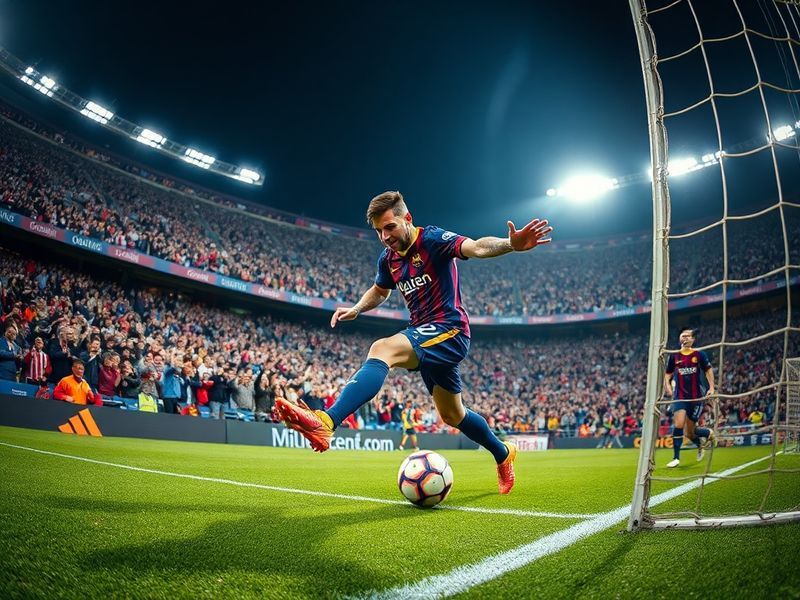
FC Barcelona’s 2-1 victory over Celta Vigo on Sunday was more than just a three-point swing in La Liga. It was a statement of intent from a team still searching for its identity under new manager Hansi Flick. The match revealed both progress and lingering challenges for Barça, while Celta Vigo’s resilience offered a reminder of why they remain a difficult opponent for even the league’s elite.
The Tactical Chess Match
Flick set Barcelona up in a 4-3-3 formation, a familiar sight for Blaugrana fans but one that continues to evolve under his leadership. The midfield trio of Gavi, Pedri, and Frenkie de Jong provided both defensive cover and creative impetus, with de Jong particularly influential in dictating tempo. Up front, Lewandowski and Raphinha worked tirelessly to press Celta’s backline, while Ferran Torres offered late runs in behind.
Celta Vigo, meanwhile, defended in a compact 5-4-1 shape, frustrating Barcelona’s buildup play. Their wing-backs, Hugo Mallo and Carles Pérez, stayed deep to prevent quick transitions, while the midfield five crowded the central areas. This forced Barça into wide positions, where they struggled to create clear chances early on.
The turning point came in the 34th minute when Lewandowski capitalized on a defensive error to slot home. The goal was a testament to Barcelona’s newfound directness under Flick, but it also highlighted Celta’s vulnerability in transition. The visitors equalized shortly after halftime through Iago Aspas, whose clinical finishing exposed gaps in Barça’s defensive line.
Flick responded by introducing João Félix and Ilkay Gündogan, shifting to a 4-2-3-1. The change injected fresh energy, and Barcelona regained control. Gündogan’s intelligence in midfield and Félix’s creativity proved decisive, with the latter assisting the winning goal for Torres in the 78th minute. The substitution also allowed Pedri to drift into a more natural playmaking role, a tactical tweak that could become a hallmark of Barça’s future performances.
Key Takeaways from the Match
The game offered several insights into Barcelona’s progress and areas needing improvement. Below are the most notable takeaways:
- Midfield Dynamics: The Gavi-Pedri-de Jong trio continues to gel, with de Jong’s composure under pressure and Pedri’s dribbling proving vital in breaking down low blocks. However, their defensive transitions remain a work in progress.
- Attacking Versatility: Lewandowski’s movement and hold-up play remain world-class, but the lack of a natural second striker means Barça often rely on Raphinha and Torres to stretch play. This could become a liability against more organized defenses.
- Set-Piece Vulnerability: Celta Vigo’s equalizer stemmed from a poorly marked Aspas at a corner. Defensive lapses in set-piece situations have plagued Barça all season and remain a critical concern.
- Substitutions Impact: Flick’s use of the bench proved decisive. The introduction of Félix and Gündogan shifted the game’s momentum, showcasing the importance of squad depth in tight encounters.
Broader Implications for La Liga
For Barcelona, the win keeps their top-four hopes alive but does little to address deeper structural issues. The club’s financial constraints mean Flick’s squad-building options are limited, forcing him to work with what’s available. The performance against Celta Vigo suggested progress, but Barça’s inconsistency—particularly in defense—remains a red flag ahead of Champions League fixtures.
Celta Vigo, meanwhile, leave Vigo with a sense of frustration but also a reminder of their resilience. Despite limited resources, Eduardo Coudet’s side remains a difficult opponent for any team. Their ability to frustrate possession-heavy sides like Barcelona could make them a thorn in the side of other top clubs.
The result also had implications for the title race. Real Madrid’s continued dominance means Barça must win games like this to keep pressure on their rivals. Failure to capitalize on such opportunities could see them fall further behind in the standings.
What’s Next for Barcelona?
Barcelona’s next challenge comes against Villarreal, a side known for their organized defensive structure. Flick will need to refine his tactics further, particularly in how his team transitions from defense to attack. The midfield’s ability to progress the ball quickly will be crucial, as Villarreal often sit deep and look to counter.
Longer term, the club’s focus must remain on squad recruitment. The current group has shown flashes of brilliance, but injuries and fatigue have exposed their limitations. The January transfer window offers an opportunity to address these issues, though financial constraints will dictate the scale of any moves.
For now, Barcelona fans can take solace in Flick’s early impact. His tactical adjustments and man-management have injected a sense of belief, but the road to recovery remains long. Matches like the one against Celta Vigo are steps in the right direction, but consistency will be the true test.
As the season progresses, all eyes will be on how Barça adapt to the demands of a congested fixture list. The coming weeks will reveal whether Flick’s Barcelona can rise to the challenge—or if deeper issues will resurface.
For more analysis on La Liga and Barcelona’s season, visit our Sports and Analysis sections.