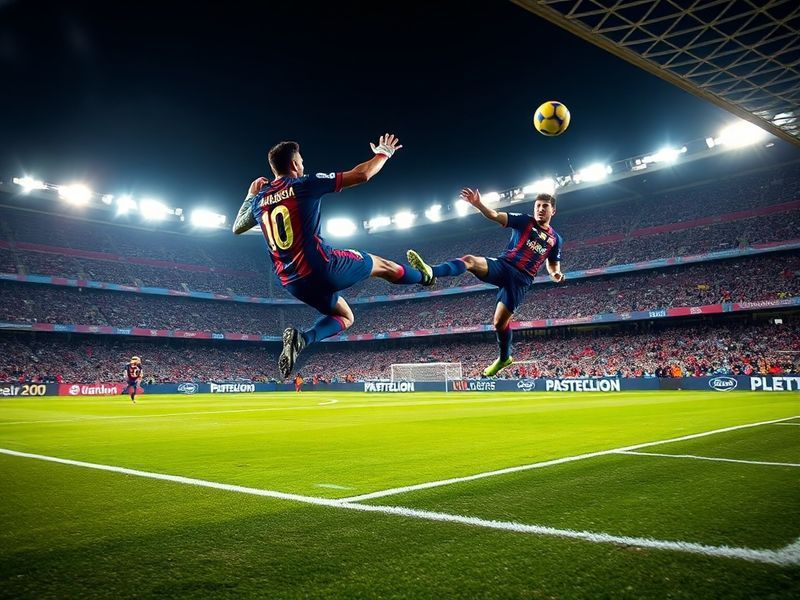
The rivalry between RCD Espanyol and FC Barcelona transcends mere sports competition. It represents two distinct identities within Catalonia, each with its own history, philosophy, and local pride. While Barcelona’s global fame often overshadows their neighbors, Espanyol’s role as the “second team” of Barcelona carries its own significance in the city’s sporting culture.
This fixture isn’t just another match in La Liga—it’s a clash of philosophies. Barcelona, with its emphasis on youth development through La Masia, contrasts sharply with Espanyol’s tradition of nurturing local talent while maintaining a clear Catalan identity. The matches between these two clubs reveal deeper tensions about what it means to represent Barcelona and Catalonia in football.
The Historical Context of Espanyol vs Barcelona
Founded in 1900, Espanyol predates Barcelona’s modern incarnation by just two years. Originally established as the football section of the Spanish Gymnastics Society, Espanyol was created by students who wanted a club that reflected their Catalan identity during a period when Spain was increasingly centralizing power. This early positioning set the stage for what would become a defining rivalry.
The first official match between the two clubs took place in 1901, with Barcelona winning 3-1. Over the decades, the rivalry intensified as both clubs became foundational to Catalan football. Espanyol’s stadium, Estadi Olímpic Lluís Companys in Montjuïc, became a fortress where the club could challenge Barcelona’s dominance on home soil.
One of the most memorable moments in this rivalry came in the 1929 inaugural La Liga season when Espanyol defeated Barcelona 2-1 in a crucial match that helped secure their first league title. That victory remains a cornerstone of Espanyol’s identity, a reminder that they have always been more than just Barcelona’s understudy.
Tactical and Philosophical Differences
Barcelona’s football philosophy, encapsulated in the tiki-taka style, emphasizes possession, technical skill, and positional play. This approach is deeply tied to the club’s identity as a symbol of Catalan culture and global excellence. The philosophy extends beyond the pitch, representing a commitment to values like inclusivity and innovation.
Espanyol, by contrast, has historically adopted a more pragmatic approach. While they’ve also produced technically gifted players, their philosophy often prioritizes efficiency and directness. This difference in approach has led to fascinating tactical battles. Matches between the two frequently become chess games where managers must adapt to neutralize their opponent’s strengths.
One notable tactical clash occurred in the 2018-19 season when Espanyol, under manager Rubi, employed a high-pressing system to disrupt Barcelona’s rhythm. In a 2-2 draw at the RCDE Stadium, Espanyol’s intensity forced Barcelona into uncharacteristic mistakes, demonstrating that tactical innovation could temporarily level the playing field.
Key Matches and Memorable Moments
The rivalry has produced numerous iconic moments that have shaped both clubs’ histories. One such moment came in the 2008-09 Copa del Rey final, where Barcelona triumphed 4-1. This victory completed a historic treble for Barcelona and solidified their dominance in Spanish football at the time.
Another unforgettable match took place in 2016 when Espanyol secured a 1-0 victory at Camp Nou, ending a three-year winless streak against their rivals. The goal, scored by Felipe Caicedo, was celebrated as a triumph of Espanyol’s defensive organization and tactical discipline.
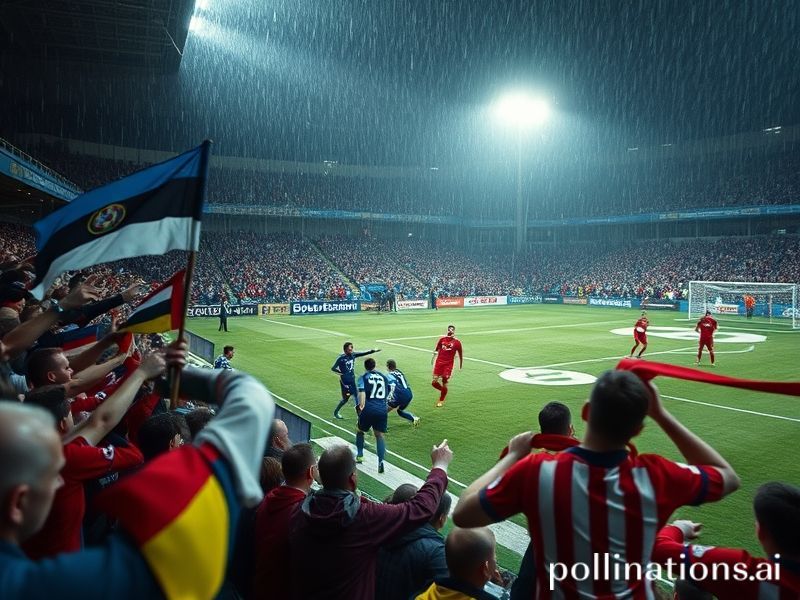
For fans of both clubs, these matches are more than just points—they’re opportunities to assert local pride. The atmosphere in both stadiums during these fixtures is electric, with supporters often bringing creative banners and chants that reflect their deep connection to the city and its identity.
The Cultural Significance Beyond Football
The Espanyol vs Barcelona rivalry extends far beyond the football pitch. It touches on questions of identity, class, and regional pride that resonate deeply within Catalonia. Barcelona’s global profile often draws international attention, while Espanyol represents a more locally focused, community-driven approach to the sport.
This rivalry also highlights the diversity of football culture in Barcelona. While Camp Nou may be the cathedral of football, the RCDE Stadium offers a different perspective—one that values tradition and local identity. The coexistence of these two clubs demonstrates the richness of Barcelona’s sporting landscape.
For younger players in the region, the rivalry serves as both motivation and inspiration. Many have dreamed of representing one of these clubs, knowing that they would be following in the footsteps of legends who have worn the blue-and-white stripes of Espanyol or the blaugrana colors of Barcelona.
What the Future Holds
As both clubs navigate the challenges of modern football, the Espanyol vs Barcelona rivalry remains as relevant as ever. Barcelona’s financial struggles and restructuring have created opportunities for Espanyol to reassert their position in Catalan football. Meanwhile, Espanyol’s recent promotions back to La Liga have reignited local pride and the intensity of this fixture.
Looking ahead, the rivalry may evolve as both clubs adapt to new challenges. Barcelona’s focus on rebuilding through youth development could lead to more exciting encounters, while Espanyol’s commitment to local talent ensures they remain a vital part of Catalonia’s football fabric.
For fans, the anticipation of these matches never fades. Whether it’s the pride of representing their neighborhood or the thrill of witnessing a high-stakes footballing battle, the Espanyol vs Barcelona rivalry continues to captivate audiences and define what it means to be part of Barcelona’s sporting culture.
As these two clubs continue to write new chapters in their storied history, one thing remains certain: the rivalry will endure as a testament to the passion and diversity of football in Catalonia.
For those looking to explore more about the clubs’ histories and impact on local culture, you can read about Sports on Dave’s Locker.