EU Pet Passports Explained: Travel Rules for Pets in Europe
“`html
EU Pet Passports: Simplifying Travel with Furry Friends
Traveling with pets has become easier than ever thanks to the EU Pet Passport system. This initiative allows pet owners to move freely across European borders with their animals, provided they meet specific health and identification requirements. The system was introduced to harmonize regulations and reduce bureaucracy, making cross-border travel smoother for both humans and their pets.
The EU Pet Passport is not just a single document but a standardized system that integrates microchipping, rabies vaccinations, and veterinary certifications. It reflects Europe’s commitment to animal welfare while facilitating tourism and relocation. However, the rules vary slightly depending on the country of origin and destination, requiring pet owners to stay informed about the latest regulations.
How the EU Pet Passport System Works
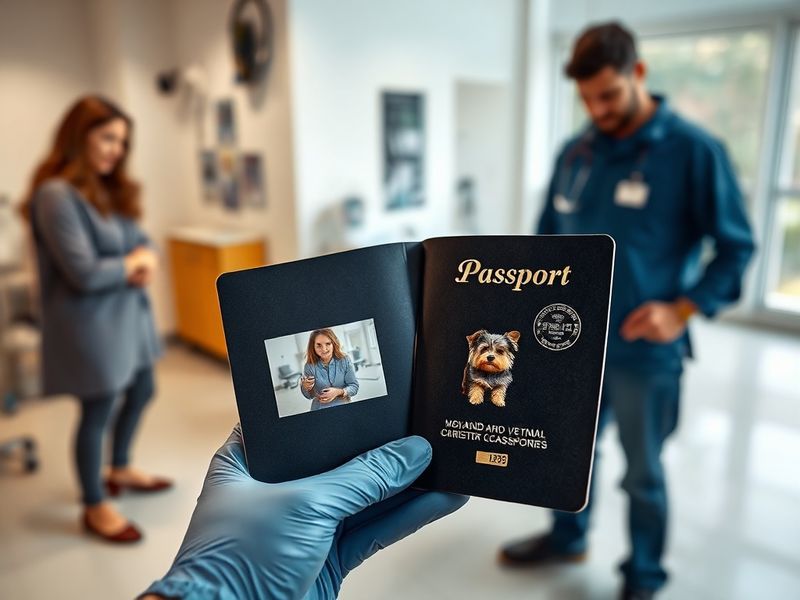
The EU Pet Passport is a small, blue booklet issued by veterinarians and authorized by local authorities. It contains essential details such as the pet’s microchip number, rabies vaccination records, and the owner’s contact information. The system is designed to ensure that pets are safely and legally transported without posing health risks to other animals or humans.
To obtain an EU Pet Passport, pet owners must follow these steps:
- Microchipping: The pet must be implanted with an ISO-compliant microchip (15 digits) before or at the same time as the rabies vaccination.
- Rabies Vaccination: The pet must receive a rabies vaccine at least 21 days before travel. Puppies and kittens under 12 weeks old are exempt if they remain with their mother.
- Veterinary Certification: A licensed veterinarian must issue the passport, confirming the microchip number and vaccination details.
- Additional Requirements: Some countries may require tapeworm treatment for dogs within 1-5 days of entry.
Failure to comply with these requirements can result in pets being quarantined or denied entry. The European Commission regularly updates the rules, so travelers should check the latest guidelines before planning their trips.
The Global Influence of EU Pet Passports
The EU Pet Passport system has inspired similar initiatives worldwide. Countries like Norway, Iceland, and Switzerland, which are part of the European Economic Area (EEA), have adopted compatible systems. Meanwhile, non-EU nations such as the UK and New Zealand have developed their own versions to facilitate pet travel while maintaining biosecurity.
This global adoption highlights a growing trend toward standardized animal health regulations. It also underscores Europe’s role as a leader in animal welfare and cross-border cooperation. For pet owners, this means fewer hurdles when traveling internationally, fostering greater mobility and cultural exchange.
However, challenges remain. Some countries outside Europe still impose stricter rules, requiring additional vaccinations or lengthy quarantine periods. Pet owners must research destination-specific requirements to avoid complications.
Cultural and Economic Impact
The EU Pet Passport has had a significant impact on tourism and expatriate communities. Families relocating within Europe no longer face the stress of lengthy pet quarantines, making the process more humane and efficient. Similarly, tourists can now explore multiple countries with their pets without logistical nightmares.
Pet-friendly travel has also boosted the hospitality industry. Hotels, restaurants, and transport services increasingly cater to pet owners, recognizing the economic benefits of welcoming furry guests. This shift reflects broader societal changes, where pets are increasingly seen as family members rather than mere companions.
In some European cities, pet tourism has become a niche market. For example, Amsterdam and Berlin are known for their pet-friendly policies, attracting visitors who prioritize their pets’ comfort. This trend has led to the rise of specialized travel agencies and pet relocation services, further embedding pets into the fabric of modern travel.
Navigating the System: Tips for Pet Owners
While the EU Pet Passport simplifies travel, pet owners must remain vigilant about compliance. Here are some practical tips to ensure a smooth journey:
- Check Entry Requirements: Each EU country may have additional rules, such as breed-specific legislation or mandatory parasite treatments.
- Update Vaccinations: Ensure all vaccinations are current and recorded in the passport. Some countries require booster shots before entry.
- Plan Ahead: The 21-day waiting period after rabies vaccination means pet owners should schedule vet visits well in advance.
- Use Reputable Transport Services: Airlines and train companies have varying policies on pet travel. Always confirm their requirements before booking.
- Carry Backup Documents: While the passport is the primary document, having digital copies of vaccination records can be helpful in case of loss or damage.
For those traveling from outside the EU, the process is more complex. The European Union accepts pets from certain non-EU countries under strict conditions, including rabies antibody testing and health certificates issued by official veterinarians. Owners should consult their destination country’s embassy or consulate for detailed instructions.
As global travel continues to rebound post-pandemic, the EU Pet Passport system remains a vital tool for pet owners. It exemplifies how thoughtful policy can balance practicality with compassion, ensuring that our four-legged friends can accompany us on our adventures without unnecessary stress.
For more insights into pet travel and cultural trends, explore our Culture and Travel sections. Whether you’re planning a European getaway or simply curious about animal welfare policies, staying informed is key to a seamless experience.