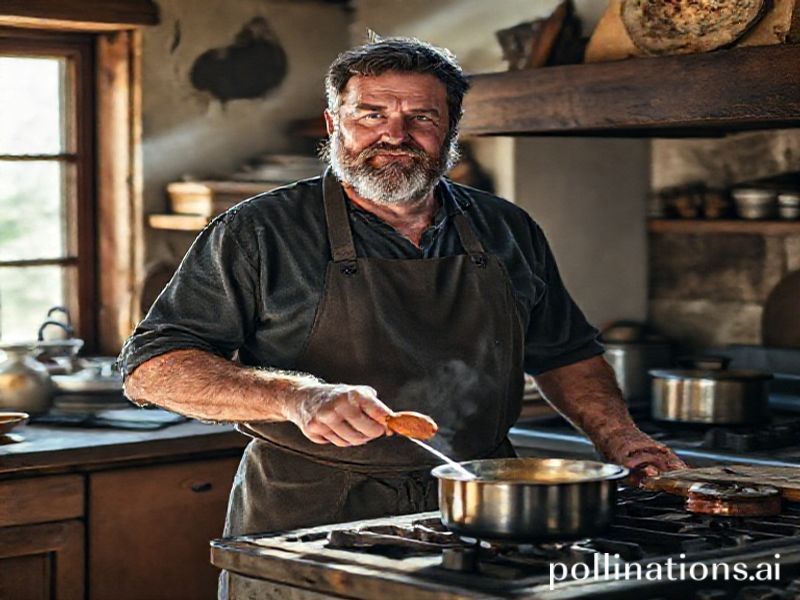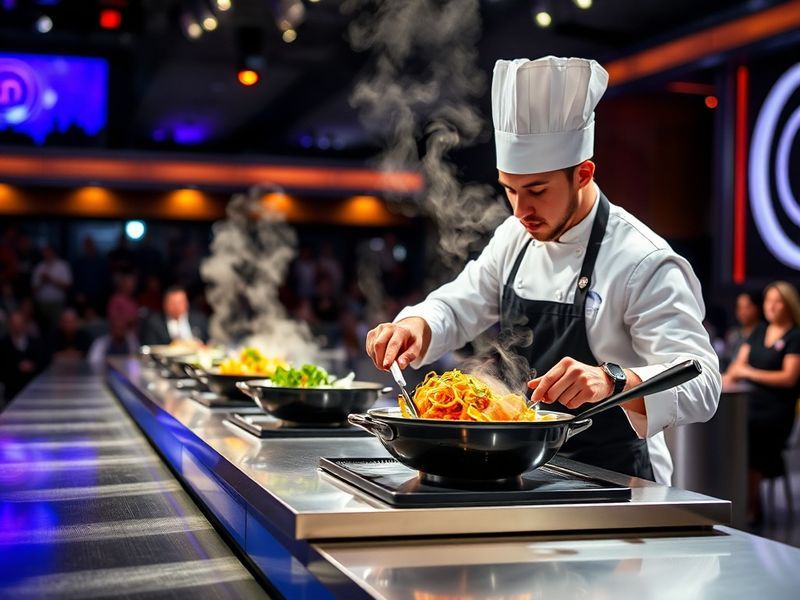
In 2005, a British television format changed the culinary world forever. MasterChef, originally created by Franc Roddam, debuted on the BBC as a simple competition where amateur cooks could test their skills against one another. Two decades later, the show has expanded to over 50 countries, creating a global phenomenon that blends education, drama, and cultural exchange through food.
Unlike traditional cooking shows that focus on instruction or celebrity personalities, MasterChef introduced a format that prioritized competition, tension, and the raw passion of home cooks. Its rise reflects broader trends in reality television—where authenticity often trumps polish—as well as the growing cultural significance of food media in the 21st century.
The Format That Revolutionized Cooking Shows
The genius of MasterChef lies in its simplicity and universality. Contestants—ranging from stay-at-home parents to office workers—are thrown into high-pressure kitchen challenges that test technique, creativity, and mental resilience. The show’s structure is straightforward but effective:
- Mystery Box Challenge: Contestants receive a set of ingredients and must create a dish within a time limit. Judges evaluate based on taste, presentation, and innovation.
- Elimination Test: After the initial round, one contestant is eliminated based on performance.
- Invention Test: Remaining cooks face a challenge that often involves replicating a professional chef’s signature dish or mastering a difficult technique.
- Pressure Test: The weakest performers face a high-stakes final challenge that determines who leaves the competition.
This format has been replicated worldwide with minor variations, but the core elements—accessibility, competition, and drama—remain consistent. In countries like India and the United States, local adaptations have introduced cultural twists, such as incorporating regional cuisines or traditional cooking methods. This localization has helped MasterChef resonate across diverse audiences.
For example, the Indian version, MasterChef India, often features dishes like biryani, dosa, and butter chicken, reflecting the country’s rich culinary diversity. Similarly, the U.S. adaptation has featured challenges centered on Southern barbecue or fusion cuisine, appealing to its audience’s tastes. These variations highlight how MasterChef adapts to local palates while maintaining the show’s competitive spirit.
The Cultural Impact of MasterChef Around the World
MasterChef is more than just a cooking competition; it’s a cultural bridge. In countries where culinary traditions are deeply ingrained, the show has sparked renewed interest in home cooking and local ingredients. In Japan, for instance, MasterChef Japan has inspired a generation of home cooks to experiment with Western techniques while staying true to their roots. The show’s emphasis on precision and presentation aligns with Japan’s culinary culture, where attention to detail is paramount.
In Latin America, MasterChef adaptations have celebrated regional flavors and indigenous ingredients. Shows like MasterChef México and MasterChef Brasil have featured challenges based on traditional dishes such as mole, feijoada, and ceviche. These adaptations not only entertain but also educate viewers about their culinary heritage, fostering a sense of pride in local food traditions.
Beyond cultural preservation, MasterChef has also played a role in breaking stereotypes about home cooks. Contestants on the show are often everyday people with no formal training, yet they frequently outperform professional chefs in creativity and adaptability. This has challenged the notion that only trained chefs can create exceptional food, democratizing culinary excellence.
In some regions, the show has even influenced food tourism. Fans of MasterChef have traveled to filming locations or sought out the restaurants of winning contestants, boosting local economies. For example, the winner of MasterChef Australia often sees a surge in bookings at their restaurant, demonstrating the show’s ripple effects beyond television.
The Role of Social Media in Amplifying MasterChef’s Reach
While MasterChef was originally a television phenomenon, its expansion into the digital realm has further cemented its global influence. Social media platforms like Instagram, TikTok, and YouTube have allowed fans to engage with the show in new ways. Clips of dramatic eliminations, jaw-dropping dishes, and behind-the-scenes moments circulate widely, attracting new viewers who might not have tuned in otherwise.
Platforms like TikTok have become particularly powerful for MasterChef. Short, engaging videos of contestants’ struggles and triumphs often go viral, introducing the show to younger audiences. For instance, a clip of a contestant crying after a tough elimination might receive millions of views, sparking conversations about resilience and passion in the kitchen.
The show’s producers have also embraced digital engagement. Many adaptations now offer interactive experiences, such as voting for fan favorites or providing exclusive content on streaming platforms. This multi-platform approach ensures that MasterChef remains relevant in an era where audiences consume content on multiple devices.
Additionally, social media has given contestants a platform beyond the show. Many winners and finalists have built personal brands, launching cookbooks, YouTube channels, or even restaurant ventures. This post-MasterChef success underscores the show’s role as a launching pad for culinary careers.
What’s Next for MasterChef?
As MasterChef approaches its third decade, the format continues to evolve. Recent seasons have introduced new twists, such as team-based challenges or collaborations with celebrity chefs, to keep the competition fresh. There’s also a growing emphasis on sustainability and ethical cooking, reflecting modern concerns about food waste and environmental impact.
Looking ahead, the show’s global expansion shows no signs of slowing. New adaptations are in the works for regions like Africa and the Middle East, where culinary traditions are rich but underrepresented in global food media. These adaptations will likely introduce even more cultural diversity to the MasterChef universe.
For aspiring chefs and food enthusiasts, MasterChef remains a source of inspiration. It proves that great cooking isn’t limited to professionals—it’s about passion, creativity, and the courage to take risks. Whether you’re watching from the comfort of your home or competing on the show itself, MasterChef offers something for everyone.
For those interested in exploring more about culinary competitions or reality television, check out our coverage of the Entertainment category, where we dive into the latest trends in TV and media. If you’re curious about the cultural significance of food, our Food section offers deep dives into how cuisine shapes identity and society.
A Final Thought
MasterChef is more than just a cooking show—it’s a celebration of food as a universal language. By bringing together amateur cooks from diverse backgrounds, it highlights the power of food to connect, inspire, and challenge. As the show continues to grow, its legacy will likely be measured not just in ratings or awards, but in the lives it has touched and the culinary traditions it has preserved.