Tucked away in the southeastern corner of Georgia, Nahunta may not be the first name that comes to mind when planning a trip or exploring the state’s lesser-known destinations. Yet this small town, nestled in Brantley County, offers a blend of natural beauty, local culture, and quiet charm that makes it worth a closer look. Whether you’re a history enthusiast, an outdoor adventurer, or someone seeking a slower pace, Nahunta has something to discover beyond the usual tourist trail.
The History of Nahunta: From Railroad Town to Quiet Community
Nahunta’s origins trace back to the late 19th century, when it served as a crucial stop along the Brunswick and Western Railroad. The town’s name is believed to derive from a Native American term, though sources differ on its exact meaning—some suggest it translates to “land of the pine trees,” while others propose it refers to a local creek. What is clear, however, is how the railroad shaped Nahunta’s early development. By the early 1900s, the town had grown into a modest hub for timber and agricultural trade, with sawmills and cotton gins dotting the landscape.
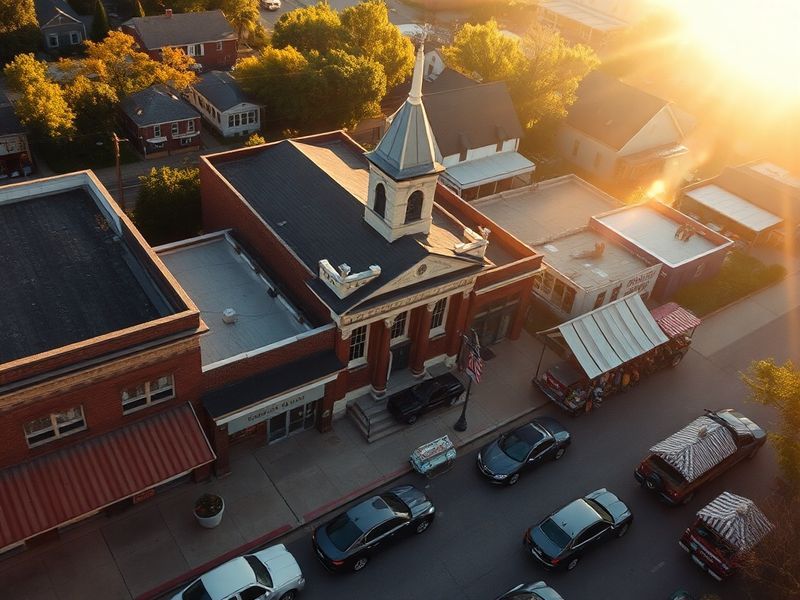
Unlike larger Georgia towns that experienced rapid industrialization, Nahunta retained its small-town character. The decline of the railroad in the mid-20th century didn’t derail the community; instead, it adapted. Today, Nahunta is a place where history is preserved in the form of old railroad ties, vintage storefronts, and the stories shared by longtime residents. The Culture section of Dave’s Locker often highlights such hidden historical narratives, reminding readers that every town has a past worth exploring.
Outdoor Adventures: Nature’s Playground in Nahunta
For those who prefer fresh air to historic buildings, Nahunta delivers with access to some of Georgia’s most underrated natural spaces. The town is a gateway to the Satilla River, a winding waterway that offers prime opportunities for kayaking, fishing, and wildlife observation. The river’s slow currents and surrounding swamps create a serene environment where visitors might spot herons, alligators, or even the occasional otter. Local outfitters provide rentals and guided tours, making it easy for beginners to dip their paddles into the experience.
Nearby, the Okefenokee Swamp—one of the largest freshwater wetlands in the U.S.—is just a short drive away. While Nahunta itself isn’t inside the swamp, its proximity makes it an ideal base for day trips into this wild, otherworldly landscape. The swamp’s boardwalks and observation towers provide accessible ways to immerse oneself in its eerie beauty without requiring a multi-day expedition.
For landlubbers, the Altamaha River Corridor offers hiking trails and scenic overlooks. The corridor is part of Georgia’s vast network of protected lands, and Nahunta’s location puts it within easy reach of these green escapes. Whether you’re chasing sunsets over the water or searching for the perfect fishing spot, the outdoors here feels both untouched and welcoming.
Top Outdoor Activities in Nahunta
- Kayaking the Satilla River: Rent a kayak from a local outfitter and paddle through cypress-lined waterways, keeping an eye out for wildlife.
- Fishing Expeditions: The Satilla and Altamaha Rivers are known for bass, catfish, and crappie, with several public access points available.
- Hiking the Altamaha River Corridor: Trails here offer a mix of river views and quiet forest paths, perfect for a half-day adventure.
- Wildlife Spotting: The swamps and wetlands around Nahunta are home to alligators, birds of prey, and rare plant species.
- Stargazing: With minimal light pollution, Nahunta’s skies are ideal for nighttime observation.
Local Culture: What Makes Nahunta Unique
Nahunta’s culture is a tapestry woven from its rural roots, community traditions, and the slow but steady influx of visitors seeking authenticity. One of the town’s most celebrated events is the Nahunta Catfish Festival, held annually in the spring. This festival is less about spectacle and more about celebration—think live bluegrass music, catfish cook-offs, and a parade that winds through the downtown area. It’s a day when the entire town comes together, offering a glimpse into the pride and camaraderie that define Nahunta.
The town’s culinary scene is another highlight. While small, Nahunta’s local eateries serve up classic Southern comfort food with a homestyle touch. Barbecue joints, diners, and family-owned cafes dish out plates of fried chicken, collard greens, and pecan pie. The Food section on Dave’s Locker often features regional culinary guides, and Nahunta’s offerings fit right into the broader Southern food narrative.
Art and creativity also have a place in Nahunta, albeit a quieter one. Local artists showcase their work at small galleries and pop-up markets, often drawing inspiration from the natural and historical surroundings. The town’s library and community center host workshops and readings, fostering a creative spirit that thrives outside the mainstream spotlight.
Why Nahunta Matters in a Fast-Paced World
In an era dominated by digital noise and rapid urbanization, places like Nahunta serve as vital counterpoints. They remind us of the value in slowing down, in listening to stories passed down through generations, and in finding beauty in simplicity. Nahunta’s lack of crowds and commercialization isn’t a flaw—it’s an asset. It allows visitors to experience Georgia’s rural heartland in a way that feels personal and unfiltered.
There’s also an economic angle to consider. Small towns like Nahunta often struggle with population decline and limited job opportunities. Yet, tourism—when managed thoughtfully—can provide a lifeline. By attracting visitors interested in nature, history, and local culture, Nahunta can preserve its way of life while sharing its charm with the world. Initiatives like the Catfish Festival and eco-tourism partnerships are small steps, but they’re steps in the right direction.
Moreover, Nahunta reflects broader trends in travel. Modern tourists, especially millennials and Gen Z, are increasingly seeking destinations that prioritize sustainability, authenticity, and connection. Nahunta checks these boxes. It’s not a place where experiences are staged for Instagram; it’s where life unfolds naturally, and where visitors can truly disconnect from the noise of the modern world.
Key Takeaways About Nahunta, GA
- Historical Significance: Nahunta’s railroad past and small-town evolution offer a unique lens into Georgia’s 20th-century development.
- Outdoor Accessibility: From river adventures to swamp exploration, Nahunta is a haven for nature lovers seeking uncrowded spaces.
- Cultural Authenticity: Events like the Catfish Festival and local eateries highlight Nahunta’s community-driven spirit and Southern heritage.
- Economic Potential: Thoughtful tourism can help sustain Nahunta’s economy while preserving its character.
- Escape from Over-Tourism: In a world of crowded hotspots, Nahunta provides a refreshing alternative for those craving quiet and connection.
Final Thoughts: Nahunta as a Model for Rural Revival
Nahunta may not be on every traveler’s radar, and that’s precisely why it’s worth visiting. It’s a town that doesn’t chase trends but instead holds onto what makes it special—its history, its landscapes, and its people. For those willing to venture off the beaten path, Nahunta offers rewards that are both tangible and intangible: a perfectly fried catfish dinner, the sight of a sunset over the Satilla River, or the warmth of a community that welcomes you as if you’ve always belonged.
As rural towns across America face challenges, Nahunta stands as a testament to resilience. It’s a reminder that preservation and progress aren’t mutually exclusive. By embracing its strengths—its natural beauty, its cultural traditions, and its slow-living ethos—Nahunta charts a path forward that others can learn from.
So, the next time you find yourself in southeast Georgia, consider making the detour to Nahunta. You might just leave with more than memories; you might leave with a new appreciation for the quiet corners of the world that hold the most extraordinary stories.