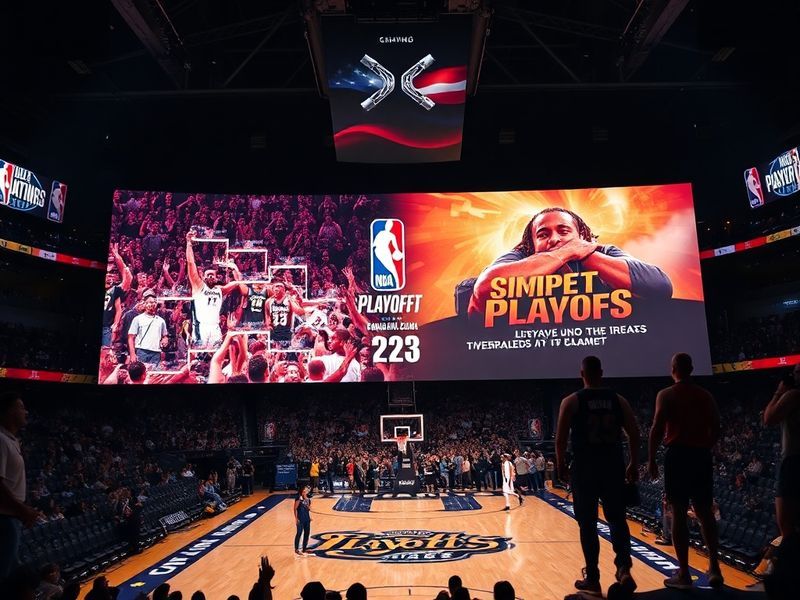
The NBA playoffs aren’t just about basketball anymore. They’ve become a cultural event that transcends sports, blending competition, strategy, and social engagement into a global spectacle. At the heart of this phenomenon is the NBA bracket, a tool that fans around the world use to test their predictions, join communities, and even wager on outcomes. What began as a simple paper-and-pencil exercise has evolved into a multi-billion-dollar industry, powered by digital platforms and fueled by global fan passion.
From casual office pools to high-stakes fantasy leagues, the NBA bracket has embedded itself into the rhythm of sports fandom. But its influence stretches far beyond the United States. In countries like the Philippines, India, and across Europe, basketball has grown into a major pastime, and the bracket has become a unifying ritual. This is not just a game—it’s a shared experience that connects strangers, families, and entire nations.
The Evolution of the NBA Bracket: From Paper to Digital Dominance
The concept of the bracket dates back decades, rooted in the single-elimination format of the NCAA March Madness tournament. But the NBA adopted it in earnest during the 1980s, as the league expanded its playoff structure and fan engagement grew. Originally, brackets were hand-drawn on napkins or printed in newspapers. Fans would circle winners, cross out losers, and proudly display their predictions in break rooms and living rooms.
By the 2000s, the internet changed everything. Websites like ESPN and Yahoo! launched free online bracket challenges, democratizing access and turning prediction into a year-round activity. Suddenly, millions could compete without printing a single sheet. The rise of social media amplified this further—fans began sharing their brackets, trash-talking rivals, and forming digital communities around their picks.
Today, the NBA bracket is a cornerstone of sports media. Platforms like Dave’s Locker offer curated bracket contests, expert analysis, and real-time updates. The evolution from analog to algorithmic has made brackets more interactive, predictive, and even profitable for savvy participants.
How NBA Brackets Work: Rules, Strategies, and Scoring Systems
At its core, an NBA bracket is a visual representation of a tournament, where participants predict the outcome of each game. The standard format follows a 16-team playoff structure, divided into four rounds: First Round, Conference Semifinals, Conference Finals, and the NBA Finals. Each correct prediction earns points, and the participant with the highest score at the end wins.
Scoring systems vary, but most include:
- Standard Scoring: 1 point per correct pick in the First Round, 2 in the Semifinals, 4 in the Finals, and 5 for the champion.
- Tiered Scoring: Points increase based on the difficulty of the round, rewarding deeper accuracy.
- Bonus Points: Some leagues award extra points for predicting upsets or perfect brackets.
- Survivor Pools: Participants pick one winner per round; elimination occurs with a wrong pick, adding pressure and strategy.
Strategy plays a huge role. Some fans rely on statistical models, favoring teams with strong regular-season records. Others chase upsets, believing momentum and underdog stories are the key to victory. The rise of analytics—metrics like Player Efficiency Rating (PER), true shooting percentage, and defensive rating—has given bracketologists new tools to refine their picks.
But even with data, luck remains a factor. A single buzzer-beater or injury can derail even the most meticulously planned bracket. This unpredictability is part of the charm, making every tournament a rollercoaster of emotion.
The Global Reach of NBA Brackets: More Than Just an American Tradition
The NBA’s globalization has turned the bracket into a worldwide phenomenon. In China, where basketball is the second-most popular sport, platforms like Tencent Sports host massive bracket challenges with millions of participants. Fans analyze players like Luka Dončić and Giannis Antetokounmpo with the same intensity as they follow local heroes.
In Europe, basketball has surged in countries like France, Spain, and Germany. The NBA’s international games and the rise of European players—such as Victor Wembanyama and Nikola Jokić—have deepened fan investment. Bracket contests in these markets often blend NBA predictions with local league interest, creating hybrid competitions.
Even in regions where basketball isn’t the top sport, the NBA bracket has found a niche. In India, for example, the league has invested heavily in grassroots development and digital streaming. The playoffs become a social event, with families gathering to watch games and fill out brackets together. The cultural crossover is striking: cricket fans, who dominate sports viewership, now engage with basketball through the bracket format.
Social media has been instrumental in this expansion. Hashtags like #NBABracketChallenge and #PlayoffBrackets trend globally during the postseason. Memes, prediction videos, and fan art spread rapidly, turning bracketology into a year-round conversation.
The Business Behind the Bracket: Gambling, Fantasy, and Media Empires
The NBA bracket economy is vast. While office pools remain popular, legal sports betting has transformed the landscape. In the U.S., states like New Jersey and Pennsylvania now offer bracket-style sportsbook promotions, where users can bet on entire tournament outcomes. The rise of in-play betting allows fans to adjust their wagers as games unfold, adding real-time strategy.
Fantasy basketball platforms like ESPN Fantasy and Yahoo! Sports integrate bracket-style challenges into their broader ecosystems. Participants draft players, manage lineups, and compete across multiple formats—all while tracking their bracket progress. The convergence of fantasy and bracket play has created a hybrid experience that rewards both short-term and long-term knowledge.
Media companies have capitalized on this trend. Networks like TNT and ESPN dedicate hours of programming to bracket analysis, featuring analysts, former players, and celebrities making picks. Podcasts and YouTube channels dissect every matchup, while news outlets publish bracketology rankings months before the playoffs begin. The NBA itself promotes the bracket culture, with players and coaches often participating in public challenges.
Even non-sports brands have entered the fray. Fast-food chains like McDonald’s and Burger King run bracket-themed promotions. Tech companies like Google and Amazon integrate bracket tools into their platforms, offering voice-assisted predictions via smart speakers.
Cultural Impact: Why the NBA Bracket Matters Beyond Wins and Losses
The NBA bracket is more than a game—it’s a social glue. In offices, schools, and online forums, it sparks conversations, debates, and friendly rivalries. It’s a way for people to connect across generations, whether a veteran fan mentoring a newcomer or a parent introducing their child to basketball for the first time.
It also reflects broader cultural trends. The rise of women’s basketball, led by stars like A’ja Wilson and Breanna Stewart, has led to more inclusive bracket challenges. LGBTQ+ fans and allies use bracket platforms to celebrate diversity in sports. The NBA’s commitment to social justice, from Black Lives Matter to mental health advocacy, has further embedded the league—and its brackets—into modern social discourse.
Abroad, the bracket serves as a bridge between cultures. In Australia, where the NBA has a strong following, brackets often incorporate local sports like Aussie Rules or rugby league. In Africa, where basketball talent is exploding, fans use brackets to follow rising stars like Victor Wembanyama and Amen and Theo Maledon. The bracket becomes a way to celebrate both local heroes and global icons.
This global fusion is reshaping what it means to be a sports fan. The NBA bracket is no longer an American artifact—it’s a universal language, spoken in clicks, predictions, and shared excitement.
Conclusion: The Bracket Lives On
The NBA bracket has survived the transition from paper to pixels, from local pools to global platforms. It has adapted to the rise of analytics, the legalization of sports betting, and the explosion of social media. But at its core, it remains a celebration of fandom—where passion, knowledge, and a little bit of luck collide.
Whether you’re a die-hard analyst or a casual observer, the bracket offers a way to engage with the NBA in a way that’s personal, interactive, and fun. As the league continues to grow internationally, the bracket will evolve with it—becoming even more diverse, more connected, and more central to the way we experience sports.
So when the playoffs begin, grab your bracket, make your picks, and join millions around the world in the timeless tradition of predicting the unpredictable. The only thing certain is the uncertainty—and that’s what makes it so thrilling.