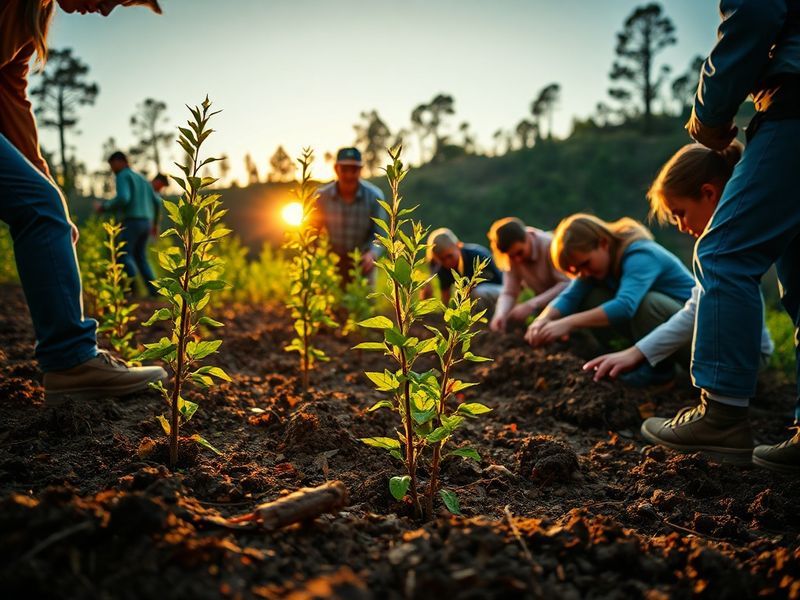
Earth Day, observed annually on April 22, has evolved from a single protest in 1970 into a global phenomenon driving policy changes, corporate accountability, and grassroots activism. What began as a call to end oil spills, smog, and polluted rivers in the United States now spans over 190 countries, with events ranging from tree plantings in Nairobi to zero-waste workshops in Seoul.
This year’s theme, “Planet vs. Plastics,” underscores a persistent crisis: the world produces over 400 million tons of plastic waste yearly, much of which never decomposes. Yet beneath the global statistics lie deeply local stories—of fishermen in Indonesia turning plastic into art, of schoolchildren in Brazil mapping pollution hotspots, and of Indigenous communities in Canada leading renewable energy projects on their lands.
The Origins: From a U.S. Protest to a Global Movement
The first Earth Day was organized by Senator Gaylord Nelson after he witnessed the devastation of a massive oil spill off the coast of Santa Barbara in 1969. Inspired by the teach-ins held during the Vietnam War, Nelson envisioned a nationwide environmental teach-in that would mobilize public consciousness. On April 22, 1970, 20 million Americans—10% of the U.S. population at the time—took to the streets, demanding legal reforms that would lead to the creation of the Environmental Protection Agency (EPA) and the passage of the Clean Air Act and Clean Water Act.
Within five years, Earth Day had crossed oceans. By 1975, environmental groups in Europe were organizing marches against nuclear power and acid rain. In 1990, Earth Day went global, with over 200 million participants in 141 countries. The 25th anniversary in 2000 saw a surge in digital organizing, as email and early websites connected activists across continents. Today, Earth Day is coordinated by the Earth Day Network, which supports year-round campaigns, from reforestation in Kenya to clean energy initiatives in India.
Key Milestones in Earth Day History
- 1970: First Earth Day in the U.S., leading to the creation of the EPA.
- 1990: Earth Day becomes a global event with 200 million participants.
- 2000: Digital activism takes off, connecting millions online.
- 2016: The Paris Agreement is signed on Earth Day, uniting 196 nations in climate action.
- 2024: “Planet vs. Plastics” campaign pushes for a 60% reduction in plastic production by 2040.
Cultural Expressions: How Art, Music, and Ritual Shape Environmental Awareness
Earth Day is not just a political or scientific event—it is also a cultural one. Across the world, communities infuse the day with local traditions, artistic expressions, and spiritual practices that deepen their connection to the planet.
In India, the festival of Vriksharopan, or “tree planting,” aligns closely with Earth Day. Villages organize week-long events where families plant native saplings and perform rituals to honor the earth. In Japan, Buddhist temples host mushi-okuri (sending off insects) ceremonies, where people release insects back into nature, symbolizing harmony between humans and the natural world.
Music has long been a universal language of environmentalism. In 1990, Earth Day concerts featured artists like Sinéad O’Connor and The B-52’s, broadcasting messages to millions. Today, global initiatives like Live Earth concerts and local eco-music festivals in Brazil and South Africa continue this tradition, blending activism with performance.
Artists, too, play a crucial role. In Kenya, the Flipflopi project transformed 10 tons of ocean plastic into a sailing boat, which sailed from Lamu to Zanzibar in 2019. The boat became a mobile sculpture, telling the story of plastic pollution through visual spectacle. Similarly, in Mexico City, murals depicting endangered species and deforestation serve as both protest and education, turning public spaces into open-air galleries of environmental consciousness.
From Policy to Practice: Grassroots Efforts That Are Making a Difference
While international agreements like the Paris Climate Accord set broad goals, real change often begins at the grassroots level. Communities worldwide are implementing solutions that address both environmental and social challenges.
In the Philippines, the “Bantay Kalikasan” (Guardians of Nature) program empowers local volunteers to monitor illegal logging and mining. Trained citizens use GPS and mobile apps to report violations, working alongside government agencies. Since its launch in 2003, the program has led to the protection of over 500,000 hectares of forest.
In Germany, the Transition Town movement has inspired over 1,400 communities to reduce carbon footprints through local food co-ops, renewable energy cooperatives, and car-sharing programs. These towns prioritize resilience, ensuring that even in the face of global crises, basic needs can be met locally.
Indigenous communities are also leading the way. In Canada, the Indigenous Clean Energy initiative supports First Nations, Métis, and Inuit-led renewable energy projects. From solar-powered homes in Nunavut to wind farms in Alberta, these projects not only cut emissions but also restore sovereignty over traditional lands. As Chief Dana Tizya-Tramm of the Vuntut Gwitchin First Nation has stated, “We are not just fighting climate change—we are healing the land as our ancestors did.”
Five Grassroots Initiatives Changing the Earth Day Narrative
- Plastic Bank (Global): Turns ocean plastic into currency, helping collectors in Haiti, Indonesia, and Brazil earn income while cleaning coastlines.
- WeForest (Belgium/Zambia): Uses drone technology to plant millions of trees in degraded landscapes, with a focus on community involvement.
- Solar Sister (Nigeria/Uganda/Tanzania): Trains women entrepreneurs to sell solar lamps and clean cookstoves, reducing indoor air pollution and deforestation.
- Zero Waste Japan: Encourages businesses and households to adopt zero-waste lifestyles, with cities like Kamikatsu recycling 80% of their waste.
- Coastal Cleanup (U.S./Philippines): Mobilizes volunteers to remove millions of pounds of trash from beaches and waterways each year.
The Role of Technology and Corporate Responsibility
Technology and corporate accountability are reshaping Earth Day’s impact. Digital tools enable real-time monitoring of environmental threats, while social media amplifies voices that might otherwise go unheard. Meanwhile, pressure on corporations to adopt sustainable practices has never been greater.
Satellite imagery, for instance, has revolutionized deforestation tracking. Platforms like Global Forest Watch, developed by the World Resources Institute, use open data to alert governments and NGOs to illegal logging in the Amazon or Congo Basin within hours. Citizen science apps like iNaturalist allow anyone to document biodiversity, contributing to global databases used by researchers. During Earth Day 2023, over 1.2 million observations were recorded in a single week.
Corporations, too, are under scrutiny. Earth Day often serves as a deadline for sustainability pledges. In 2021, Apple announced it would become carbon neutral by 2030. Patagonia has redirected 100% of its profits to environmental causes since 1985. Yet critics argue that greenwashing remains rampant. A 2023 report found that 40% of “eco-friendly” claims by major brands were misleading or unverified.
This year, Earth Day organizers are pushing for mandatory transparency. The “Honest Ads Act,” inspired by digital ad regulations, would require companies to disclose their environmental impact data in a standardized format. As consumers grow more skeptical, brands are finding that authenticity—like Patagonia’s “Don’t Buy This Jacket” Black Friday ad—can be more powerful than slick marketing.
Looking Ahead: Earth Day in a Climate-Challenged Future
As climate change intensifies, Earth Day’s urgency has only grown. The past decade was the hottest on record. Glaciers are retreating at alarming rates. Biodiversity loss is accelerating, with one million species at risk of extinction. Yet hope persists in the form of collective action.
Young people are at the forefront of this movement. In 2019, Swedish teenager Greta Thunberg sparked a global youth strike, with millions walking out of schools to demand climate action. Today, organizations like the Sunrise Movement in the U.S. and Fridays for Future in Europe are pushing governments to adopt the Green New Deal framework, which ties climate policy to economic justice.
Earth Day 2024 also coincides with the United Nations’ Sustainable Development Goals (SDGs) deadline of 2030. With only six years left to meet targets on clean water, affordable energy, and life on land, the day serves as both a reminder of what’s at stake and a rallying cry for renewed commitment.
The path forward requires more than individual action—it demands systemic change. Policies that phase out fossil fuels, investments in green infrastructure, and global cooperation on climate finance are essential. Yet the stories of resilience, innovation, and solidarity that emerge each Earth Day prove that solutions exist when communities lead.
As we mark another Earth Day, the message is clear: the health of the planet is not a partisan issue, a luxury, or a distant concern. It is a daily reality for billions, and the time to act is now. Whether through planting a tree, joining a protest, or simply reducing plastic use, everyone has a role to play. The earth does not belong to us—we belong to it.