Asiago: Italy’s Golden Cheese From Alpine Pastures to Global Tables
“`html
Asiago: Italy’s Golden Cheese From Alpine Pastures to Global Tables
Asiago is more than just a cheese—it’s a centuries-old tradition rooted in the rugged beauty of the Italian Alps. Named after the highland plateau where it originated, Asiago has traveled from local dairy farms to become a global favorite, prized for its versatility and rich flavor profile. Whether shaved over pasta, melted into risotto, or enjoyed on a charcuterie board, this cow’s milk cheese carries the story of a region and the craftsmanship of its makers.
Its journey began in the 10th century among the mountain communities of the Veneto and Trentino regions. Shepherds and farmers in the Asiago plateau relied on cheese as a way to preserve milk during long winters. Over time, the cheese developed a unique identity, shaped by the alpine climate, lush pastures, and traditional production methods still in use today. The result is a product that balances nutty depth with a subtle creaminess, offering layers of flavor that evolve with aging.
The Making of Asiago: Tradition Meets Modern Craft
Authentic Asiago is produced exclusively in designated areas of northeastern Italy, where cows graze on fresh grass and wild herbs during the summer months. This diet imparts a distinct character to the milk, which is then transformed into cheese through a carefully controlled process. The production follows strict regulations under the DOP (Denominazione di Origine Protetta) designation, ensuring that only cheese made in specific provinces using traditional methods can bear the name.
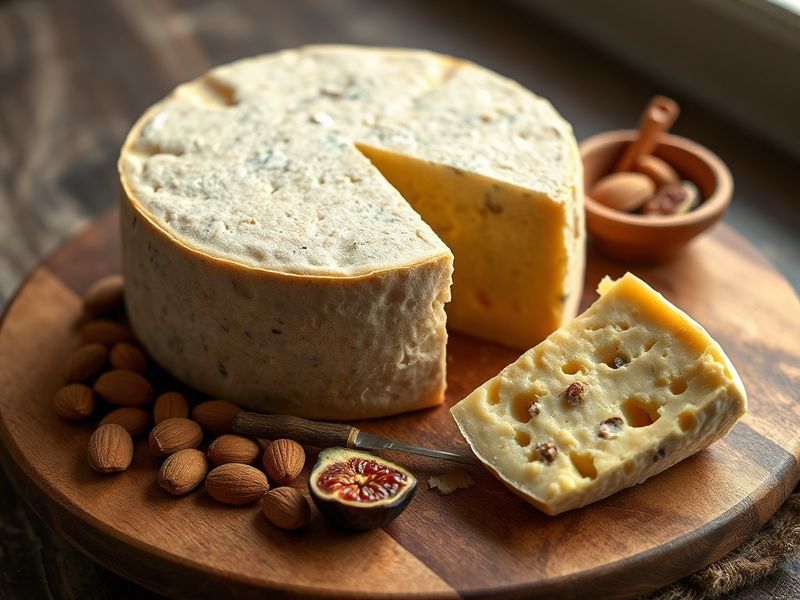
The cheese comes in two main varieties: Asiago Pressato and Asiago d’Allevio. Pressato, meaning “pressed,” is a younger cheese with a smooth, buttery texture and mild flavor. It’s aged for at least 20 days and often used in cooking due to its meltability. D’Allevio, on the other hand, is aged longer—up to a year or more—developing a firmer texture and sharper, more complex taste reminiscent of aged Parmigiano-Reggiano.
- Asiago Pressato: Mild, creamy, aged 20 days to 4 months
- Asiago d’Allevio Vecchio: Nutty, crumbly, aged 5 to 10 months
- Asiago Stravecchio: Intense, crystalline, aged over 12 months
Production begins with raw or thermized cow’s milk, which is heated and inoculated with natural cultures. Rennet is added to coagulate the milk, forming curds that are cut, heated, and transferred to molds. After pressing to remove excess whey, the cheese wheels are brined and aged in cool, humid cellars. Each wheel is regularly turned and brushed to develop its rind and flavor. This meticulous process can take weeks or years, depending on the desired profile.
From Alpine Pasture to Pantry Staple: Asiago’s Global Rise
While Asiago remains deeply tied to its Italian roots, its reputation has spread far beyond the Dolomites. In the United States, it’s now a staple in gourmet kitchens and artisanal cheese shops, often replacing Parmesan in dishes that call for a milder, more aromatic touch. Chefs value it for its ability to enhance sauces without overpowering them, making it ideal for food pairings with wines like Pinot Grigio or Prosecco.
In France and Switzerland, Asiago is sometimes used in fondue blends, adding a delicate nuttiness to the melt. In Japan, where Western cheeses are increasingly popular, it has found a niche among bakers and pasta makers seeking authentic Italian flavors. Even in Australia, specialty delis now stock aged Asiago Stravecchio, appealing to immigrants and food enthusiasts craving a taste of Italy.
The cheese’s versatility has made it a favorite in both home cooking and fine dining. It stars in dishes like Asiago-stuffed chicken, where the cheese melts into tender meat, or risotto al Asiago, where its savory depth elevates the creamy rice. It’s also a key ingredient in regional Italian dishes such as bigoli con salsa d’Asiago, a Venetian pasta dish where the cheese replaces traditional butter and cheese garnishes.
Cultural Significance and the Future of Asiago
Asiago is more than a culinary product—it’s a cultural symbol. The annual Festa del Formaggio Asiago, held every September, celebrates the cheese’s heritage with tastings, cooking demonstrations, and folk performances. The event draws thousands, reinforcing the connection between Asiago and the identity of its people. Locals take pride in preserving traditions while adapting to modern tastes, ensuring the cheese remains relevant in a changing world.
Yet, challenges loom. Climate change threatens alpine pastures, forcing farmers to adapt grazing patterns and feed practices. Global demand has also led to industrial production outside the DOP zones, raising concerns about authenticity. To combat this, producers and regulators are ramping up certification efforts and promoting sustainable farming practices that protect the plateau’s delicate ecosystem.
Looking forward, Asiago is poised to grow in niche markets. Plant-based alternatives are emerging, but traditional cheesemakers emphasize the irreplaceable quality of real Asiago. Innovations in aging techniques and aging environments are also allowing for more consistent flavor development, appealing to younger consumers who value both tradition and innovation.
A Cheese Worth Celebrating
Asiago’s story is one of resilience, tradition, and transformation. From its humble beginnings on alpine slopes to its place on tables around the world, it represents the best of Italian craftsmanship—a balance of simplicity and sophistication. Whether enjoyed young and creamy or aged to perfection, Asiago offers a taste of history with every bite.
Next time you reach for a wedge of cheese, consider Asiago. It’s not just an ingredient; it’s a journey from the peaks of the Dolomites to your plate, carrying with it the sun, the grass, and the hands that made it real.