The recent cantaloupe recall affecting multiple states has raised urgent questions about food safety protocols and supply chain transparency. What began as a routine inspection uncovered contamination risks that could have far-reaching consequences for produce industries nationwide.
Scope of the Recall and Immediate Impact
Federal health officials issued a sweeping recall covering cantaloupes distributed across 14 states after routine testing revealed Listeria monocytogenes contamination. The affected batches originated from a single processing facility in Colorado, though distribution networks may have spread contaminated produce to additional regions.
Retailers have responded swiftly by pulling suspect cantaloupes from shelves, but the recall period spans two weeks, creating a window where contaminated fruit may have already been consumed. Consumers who purchased cantaloupes during this period are advised to check their refrigerators and dispose of any unwashed produce immediately.
Local health departments have established hotlines to address public concerns, while the Centers for Disease Control and Prevention (CDC) monitors reported illness cases. As of the latest update, three confirmed cases of Listeria infection have been linked to this outbreak, though health officials anticipate additional reports in the coming days.
Root Causes Behind the Contamination
Investigations point to several potential failure points in the cantaloupe supply chain that allowed contamination to occur undetected:
- Water quality issues in irrigation systems or post-harvest washing facilities
- Inadequate sanitation practices at the processing facility
- Lack of traceability systems to track produce back to specific fields
- Insufficient cooling during transport and storage
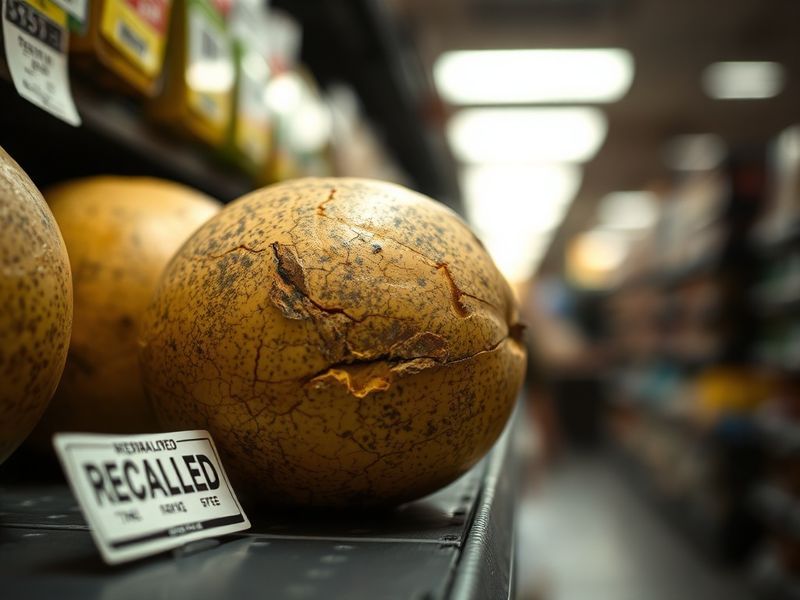
Food safety experts note that cantaloupes present unique challenges because their rough rinds can harbor bacteria that aren’t eliminated by standard washing procedures. This makes them particularly vulnerable to contamination compared to smoother-skinned produce.
The recall facility had passed previous inspections, raising questions about whether current regulatory frameworks adequately address the risks associated with high-risk produce. Critics argue that inspection frequency and sampling protocols may not keep pace with industry consolidation and distribution scale.
Broader Implications for Food Safety Regulations
This incident occurs against a backdrop of increasing consolidation in the produce industry, where a handful of large operations supply cantaloupes to major retailers nationwide. While this centralization improves efficiency, it also creates single points of failure that can affect millions of consumers simultaneously.
The recall comes just months after similar contamination events involving leafy greens and packaged salads, suggesting systemic vulnerabilities in how leafy produce is grown, processed, and distributed. These recurring issues have prompted calls for more stringent regulations around water testing, worker hygiene protocols, and environmental monitoring.
Industry representatives emphasize that cantaloupe growers have voluntarily adopted enhanced safety measures through the Food Safety Modernization Act (FSMA) guidelines. However, the current recall demonstrates that voluntary compliance may not be sufficient to prevent contamination events.
Consumer advocacy groups are pushing for mandatory testing requirements at every stage of production, from field to packaging facility. They also advocate for clearer labeling that indicates growing regions and processing methods, giving consumers more information to make purchasing decisions.
Economic and Industry Fallout
The recall’s economic impact extends beyond immediate losses for growers and retailers. Wholesale cantaloupe prices have dropped 15% since the announcement as buyers hesitate to purchase any cantaloupes, even from unaffected regions. Farmers who weren’t involved in the recall face significant financial losses due to market uncertainty.
Insurance premiums for produce growers are expected to rise as liability risks become more apparent. Some smaller operations may struggle to absorb these additional costs, potentially accelerating industry consolidation. Large retailers are also reviewing their supplier contracts to include stricter contamination clauses and higher insurance requirements.
Market analysts predict that consumer confidence in cantaloupes may take 6-12 months to recover, particularly among households with young children, elderly individuals, or immunocompromised members who face higher risks from Listeria infection. The industry may need to implement extensive marketing campaigns to rebuild trust once the contamination source is fully identified and addressed.
Lessons and Future Protections
Food safety experts recommend several immediate actions to prevent similar incidents:
- Implement real-time microbial testing at critical control points in processing facilities
- Develop blockchain-based traceability systems that track produce from field to shelf
- Establish regional water quality standards for agricultural irrigation
- Create emergency response protocols that enable faster recalls when contamination is detected
- Increase unannounced inspection frequency for high-risk produce operations
The cantaloupe recall serves as a critical reminder that food safety is not just about individual facility practices, but about the entire supply chain’s resilience. As climate change alters growing conditions and extreme weather events become more frequent, the risk of contamination may increase, making proactive measures even more essential.
For now, consumers should remain vigilant when purchasing fresh produce. Washing cantaloupes before cutting them reduces but doesn’t eliminate contamination risks, as bacteria can be transferred from the rind to the flesh during slicing. When in doubt, opting for pre-cut cantaloupe from reputable suppliers with verified safety records may provide an additional layer of protection.
As investigations continue, the full scope of this contamination event will become clearer. What remains certain is that this recall will likely reshape food safety regulations, industry practices, and consumer expectations for years to come.
For more on food safety developments, visit our Health News and Analysis sections.