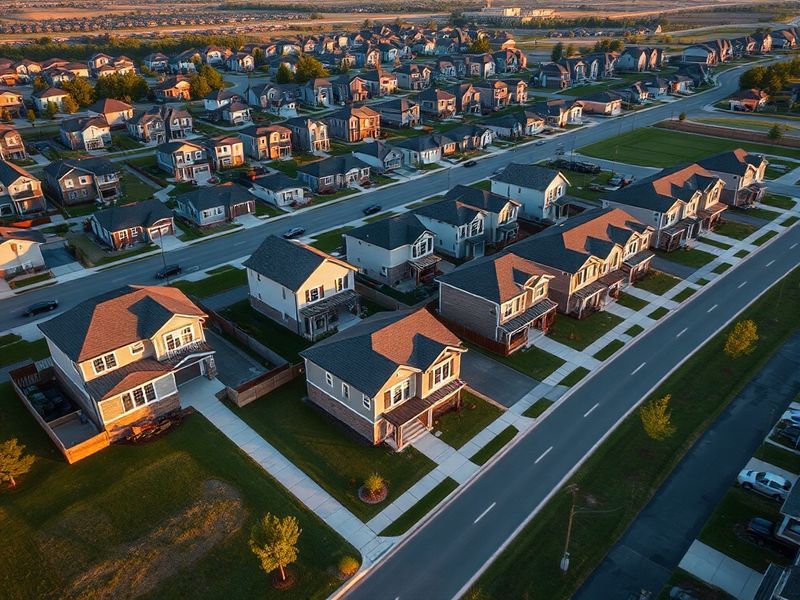
Mattamy Homes has grown from a modest Canadian homebuilder into one of North America’s largest and most respected residential developers. Founded in 1978 by Peter Gilgan in Toronto, the company has expanded across Canada and the United States, delivering over 120,000 homes to families. What began as a single project has transformed into a national enterprise with a reputation for quality, innovation, and community-focused design.
Unlike many competitors that focus solely on construction speed or cost efficiency, Mattamy emphasizes long-term value. The company invests in master-planned communities that integrate green spaces, schools, and amenities—elements that foster neighborhood identity and sustainability. This approach has earned Mattamy numerous awards, including multiple nods from the Canadian Home Builders’ Association and recognition from industry groups like the National Association of Home Builders in the U.S.
The Evolution of a Homebuilding Leader
Mattamy’s growth reflects broader trends in the North American housing market. In the 1980s and 1990s, the company focused primarily on single-family homes in growing suburbs around Toronto and Ottawa. Its reputation for reliability and thoughtful design helped it expand into Calgary and Vancouver by the late 1990s. By 2000, Mattamy had entered the U.S. market, first in Florida and later in states such as North Carolina, Arizona, and Colorado.
The company’s expansion wasn’t just geographic—it was strategic. Mattamy acquired established regional builders like California-based Pardee Homes in 2005, which gave it immediate access to the West Coast market. This acquisition strategy allowed Mattamy to diversify its product offerings, including move-up homes, active adult communities, and urban infill developments. Today, the company operates in 11 U.S. states and six Canadian provinces, with a portfolio that ranges from starter homes to luxury estates.
One of Mattamy’s defining traits has been its adaptability. During the 2008 financial crisis, while many builders scaled back, Mattamy maintained operations and even continued selective acquisitions. This resilience helped it emerge as a stronger player when the market rebounded. Today, the company builds approximately 5,000 homes annually, making it one of the top five private homebuilders in North America by volume.
Design Philosophy: From Floor Plans to Community Planning
Mattamy’s designs blend functionality with aesthetic appeal, catering to diverse lifestyles. The company is known for open-concept layouts, energy-efficient features, and flexible spaces that adapt to changing family needs. For example, many of its newer homes include main-floor primary suites, a feature that has surged in popularity since the pandemic.
But Mattamy’s influence extends beyond individual homes. The company’s master-planned communities are designed with long-term livability in mind. For instance, in the community of Prospect in Calgary, Mattamy incorporated pedestrian-friendly pathways, parks, and a proposed future transit line. Similarly, in North Carolina’s Birkdale Village, the company integrated retail spaces and townhomes to create a walkable, mixed-use environment.
Sustainability is another cornerstone. Mattamy has committed to building net-zero energy-ready homes in select communities, meeting rigorous standards set by organizations like the Canada Green Building Council. In the U.S., the company participates in the ENERGY STAR program, ensuring homes meet strict efficiency benchmarks. These efforts aren’t just environmentally responsible—they also translate into lower utility costs for homeowners, a selling point that resonates in today’s market.
Key Features in Mattamy’s Home Designs
- Open-concept living areas with integrated kitchen, dining, and family spaces
- Energy Star-certified appliances and high-efficiency HVAC systems
- Flex rooms that can serve as home offices, guest rooms, or play areas
- Smart home rough-ins in select models, including wiring for security systems and lighting automation
- Low-maintenance exteriors with durable siding and roofing materials
Challenges and Criticisms in a Competitive Market
Despite its success, Mattamy has faced challenges common to large-scale homebuilders. Supply chain disruptions in 2020 and 2021 led to material shortages and project delays, a trend that affected builders across the continent. Mattamy responded by diversifying suppliers and increasing inventory of critical components like windows and lumber.
Another criticism has centered on pricing. In markets like Toronto and Vancouver, where land costs are high, Mattamy’s homes can be priced at a premium compared to smaller regional builders. The company argues that its scale allows it to offer better warranties and post-purchase support, which offsets initial costs. Still, affordability remains a concern for first-time buyers in competitive urban markets.
Environmental activists have also scrutinized large-scale developments, particularly those that involve greenfield construction on the outskirts of cities. While Mattamy emphasizes sustainable building practices, some community groups argue that urban sprawl contributes to traffic congestion and strains local infrastructure. In response, Mattamy has increased its focus on infill projects—such as its redevelopment of Toronto’s Regent Park—where it builds within existing neighborhoods to reduce environmental impact.
The Future of Mattamy and the Housing Landscape
Looking ahead, Mattamy is positioned to play a key role in addressing North America’s housing shortage. The company has pledged to build 20,000 net-zero energy-ready homes by 2030, a goal that aligns with government incentives in both Canada and the U.S. It’s also expanding its presence in mid-sized cities like Halifax, Saskatoon, and Boise, where demand is rising but competition is less intense than in major metros.
Technology will continue to shape Mattamy’s operations. The company has invested in digital tools for design visualization, customer engagement, and construction management. Buyers can now use 3D tours and augmented reality apps to explore floor plans and finishes before committing to a purchase. These innovations streamline the buying process and help reduce buyer anxiety in high-stakes transactions.
Yet, the human element remains central. Mattamy’s corporate culture, rooted in Peter Gilgan’s original vision, emphasizes integrity and community. Employees are encouraged to volunteer in local projects, and the company supports initiatives like Habitat for Humanity. These values aren’t just corporate PR—they reflect a belief that homebuilding is about more than bricks and mortar; it’s about creating places where families thrive.
What’s Next for Mattamy Homes?
- Expansion into new regions: Targeting mid-sized cities with growing populations and limited inventory.
- Increased focus on sustainability: Rolling out net-zero ready homes in more communities by 2026.
- Technology integration: Expanding AI-driven design tools and customer portals to improve the buying experience.
- Partnerships with municipalities: Collaborating on affordable housing initiatives and transit-oriented developments.
Mattamy Homes stands as a testament to what thoughtful growth and customer focus can achieve. In an industry often criticized for homogeneity and short-term thinking, the company has carved out a distinct identity. Its future will be shaped not just by market trends, but by its ability to balance scale with humanity—a challenge it appears well-equipped to meet.
Explore more trending topics in real estate and home improvement on Dave’s Locker.
For deeper analysis on North American housing markets, visit our Analysis section.