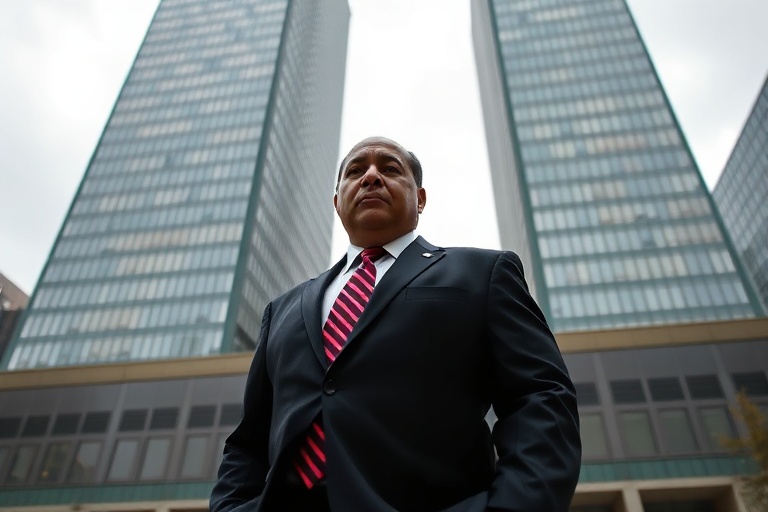
One of the UK’s most recognizable motorsport personalities, Guy Martin, found himself at the center of controversy in 2023 when he received a driving ban. The incident not only shocked fans but also sparked broader discussions about road safety, celebrity accountability, and the blurred lines between public behavior and private life. What exactly happened, and what does this mean for the future of road culture in the UK?
The Incident That Led to the Ban
On a wet evening in October 2023, Guy Martin was caught speeding on the A14 near Cambridge. Police recorded his Mercedes AMG GT traveling at 121 mph in a 70 mph zone—nearly double the legal limit. The footage, later released by Cambridgeshire Police, showed the vehicle swerving dangerously, raising immediate concerns about public safety. Martin was pulled over shortly after, and the case proceeded through the courts.
In January 2024, Martin pleaded guilty to dangerous driving at Cambridge Magistrates’ Court. The magistrates accepted his plea but noted the severity of the offense. Instead of an immediate custodial sentence, he was handed a 56-day driving ban, fined £2,666, and ordered to attend a rehabilitation course. The leniency of the sentence drew mixed reactions from the public and media alike.
Public Reaction and Media Coverage
The news of Martin’s ban sent ripples across social media and mainstream outlets. Fans who had grown up watching him break speed records on motorcycles and in cars were left divided. Some defended him, citing his long-standing advocacy for road safety campaigns through organizations like the British Motorcyclists Federation. Others condemned the decision, arguing that his celebrity status had shielded him from harsher consequences.
A poll conducted by a leading automotive magazine revealed that 62% of respondents believed the sentence was too lenient given the circumstances. Comments ranged from frustration over the “two-tier justice system” to admiration for Martin’s willingness to own up to his mistake publicly.
The Broader Implications for Road Safety
Martin’s case is not an isolated one. Speeding remains one of the leading causes of fatal road accidents in the UK, accounting for nearly a third of all deaths. The incident has reignited debates about enforcement and deterrence. Critics argue that celebrity offenders often receive preferential treatment, while ordinary drivers face stricter penalties for similar offenses.
Data from the Department for Transport shows that despite widespread awareness campaigns, the number of drivers exceeding speed limits by significant margins has risen in recent years. The case of Guy Martin has highlighted a troubling inconsistency in how such cases are handled, particularly when high-profile individuals are involved.
What’s Next for Guy Martin?
Following the ban, Martin has largely stayed out of the spotlight, focusing on his television projects and motorcycle racing. He has publicly acknowledged his mistake and expressed regret, stating in an interview that he hopes the incident serves as a lesson for others. His sponsorship deals remain intact, though some brands have quietly reviewed their associations with him.
For now, Martin’s driving privileges are suspended until March 2024. Whether he returns to professional racing behind the wheel of a car remains uncertain. His motorcycle racing career, however, is unaffected, as he continues to compete in events like the Isle of Man TT, where speed is a given.
Lessons Learned and Moving Forward
The Guy Martin driving ban is more than just a headline—it’s a case study in accountability, enforcement, and public perception. It raises important questions about how society views celebrity missteps versus everyday transgressions. While Martin’s contributions to motorsport and road safety advocacy are undeniable, the incident serves as a reminder that no one is above the law.
For policymakers, the challenge lies in ensuring that justice is applied consistently, regardless of status. For the public, it’s a moment to reflect on personal responsibility when operating a vehicle. And for Martin, it’s an opportunity to rebuild trust and demonstrate that even the most celebrated figures must face consequences.
As the UK continues to grapple with rising road fatalities and distracted driving, cases like this one serve as cautionary tales. They remind us that speed limits aren’t just suggestions—they’re lifelines. And while Guy Martin may have avoided jail time, the 56-day ban is a stark reminder that actions, no matter who commits them, have repercussions.
In the end, the story of Guy Martin’s driving ban is not just about one man’s mistake. It’s about the values we uphold as a society, the standards we set for our heroes, and the collective responsibility we share for keeping roads safe for everyone.