Homelessness: Causes, Global Impact, and Solutions Explored
“`html
Understanding Homelessness: Causes, Solutions, and Global Perspectives
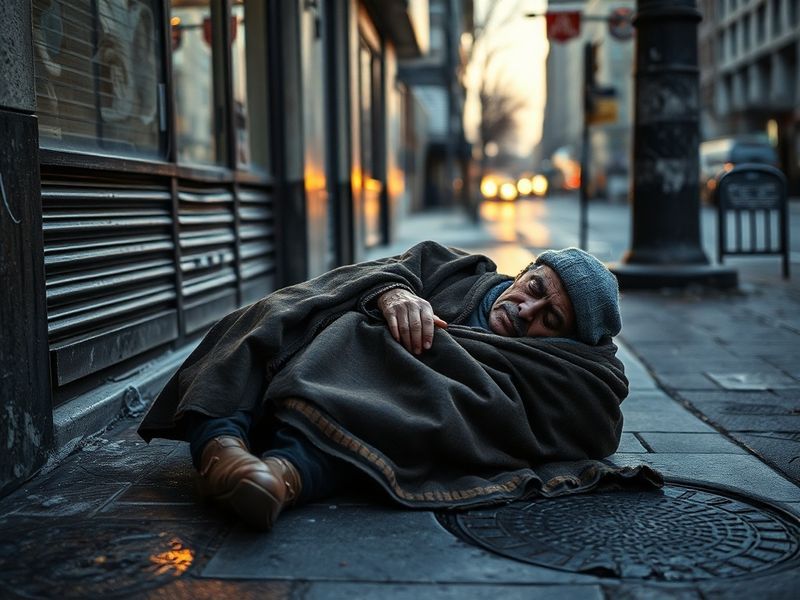
Homelessness remains one of society’s most persistent and complex challenges, affecting millions of people worldwide. While it often manifests as visible street populations in urban centers, the roots of homelessness extend far deeper, intertwining with economic instability, social inequality, and policy failures. Unlike temporary housing insecurity, chronic homelessness reflects systemic breakdowns that demand more than just emergency shelter solutions.
The experience of homelessness varies dramatically across regions, shaped by local economies, cultural attitudes, and government responses. In some cities, homelessness is met with compassionate policies aimed at rehabilitation, while in others, it is criminalized as a public nuisance. Understanding these differences is essential to crafting effective, humane solutions.
The Global Scale of Homelessness
Estimating the global homeless population is difficult due to varying definitions and reporting standards. The United Nations estimates that over 100 million people lack adequate housing, while another 1.6 billion live in substandard conditions. These figures include both visible homelessness—people living on streets or in shelters—and invisible homelessness, such as those doubled up with family or living in informal settlements.
Certain countries face particularly acute crises. In the United States, rising rents and stagnant wages have pushed homelessness to crisis levels in cities like Los Angeles and New York. In Japan, homelessness is less visible but still significant, with an estimated 4,000 people sleeping rough in Tokyo’s parks and train stations. Meanwhile, in India, over 1.8 million people live on the streets, often in extreme poverty and without access to basic services.
Europe presents a mixed picture. While countries like Finland and Norway have made progress through Housing First policies, others like Greece and Italy struggle with inadequate social safety nets. The diversity of responses highlights how homelessness is not just an economic issue but a political one, influenced by government priorities and societal values.
Root Causes: Beyond Individual Circumstances
Homelessness is rarely caused by a single factor. Instead, it results from a combination of systemic issues that intersect in individual lives. Housing affordability is a primary driver, especially in cities where rents have outpaced wage growth. In the U.S., a minimum-wage worker cannot afford a two-bedroom apartment anywhere in the country without working over 60 hours a week.
Mental health and addiction also play significant roles. Many people experiencing homelessness suffer from untreated psychiatric conditions or substance abuse disorders, conditions that are often exacerbated by the stress of living on the streets. However, the relationship between mental illness and homelessness is bidirectional: while mental health crises can lead to homelessness, the trauma of homelessness can also worsen existing conditions.
Other contributing factors include:
- Domestic violence: Survivors of abuse often flee without resources, leading to homelessness.
- Lack of affordable healthcare: Medical bankruptcies and untreated illnesses can push people into poverty.
- Incarceration: Formerly incarcerated individuals face employment discrimination, making stable housing difficult to secure.
- Displacement and gentrification: Urban renewal projects often displace low-income residents without providing alternatives.
Cultural Attitudes and Policy Responses
How a society responds to homelessness often reflects its cultural values and political ideology. In some Nordic countries, homelessness is treated as a public health issue rather than a moral failing. Finland, for example, has nearly eradicated rough sleeping through its Housing First model, which prioritizes permanent housing without preconditions like sobriety or employment. This approach has reduced chronic homelessness by over 40% since its implementation.
In contrast, some U.S. cities have adopted punitive measures, such as banning sleeping in public spaces or clearing encampments without providing shelter alternatives. These policies often exacerbate the problem by disrupting what little stability homeless individuals have managed to establish. Research shows that criminalizing homelessness does not reduce homelessness; it merely hides it from public view.
Cultural attitudes also shape public perception. In some societies, homelessness is seen as a personal failure, while in others, it is viewed as a collective responsibility. These differing perspectives influence everything from charitable donations to political will for systemic change.
Innovative Solutions and Ongoing Challenges
Despite the complexity of the issue, some strategies have shown promise. The Housing First model, as implemented in Finland, demonstrates that providing stable housing can reduce homelessness and lower public costs associated with emergency services. Similarly, rapid rehousing programs in the U.S. have helped families exit homelessness within months by offering temporary subsidies and case management.
Community-based initiatives also play a crucial role. In India, organizations like Save the Children work to reunite street children with their families while providing education and vocational training. In Europe, street medicine programs bring healthcare directly to homeless populations, addressing medical needs that might otherwise go untreated.
However, challenges remain. Funding for affordable housing is often insufficient, and political will can wane when other crises emerge. Additionally, the COVID-19 pandemic highlighted both the fragility of housing security and the potential for collective action. Many cities saw temporary reductions in homelessness due to eviction moratoriums and emergency shelters, proving that homelessness is not inevitable but a policy choice.
Conclusion: A Call for Systemic Change
Homelessness is not a problem that can be solved overnight, but it is one that demands urgent attention. The solutions exist—stable housing, accessible healthcare, and economic stability—but they require sustained political commitment and societal compassion. Addressing homelessness is not just about providing shelter; it is about rebuilding systems that have failed the most vulnerable among us.
As cities grow and economies fluctuate, the risk of homelessness will persist unless governments and communities prioritize housing as a fundamental human right. The goal should not be to manage homelessness but to end it—through prevention, intervention, and systemic reform. Only then can societies truly claim to uphold the dignity and worth of every individual.