From Ancient Rituals to Modern Spectacles: The Enduring Legacy of Concerts
The concert is one of humanity’s oldest forms of collective celebration, a tradition that has evolved from tribal gatherings around flickering fires to stadium shows that draw tens of thousands. While the instruments and venues have changed dramatically, the core experience remains the same: people coming together to share an emotional and artistic connection. This global phenomenon transcends borders, languages, and cultures, offering a rare space where diverse communities can unite under the shared rhythm of music.
Today, concerts are not just entertainment—they are cultural barometers, economic engines, and platforms for social expression. They reflect societal shifts, technological advancements, and the ever-changing tastes of audiences worldwide. Whether it’s a rooftop DJ set in Berlin, a traditional flamenco performance in Seville, or a pop spectacle in Tokyo, the concert experience adapts while maintaining its timeless appeal.
The Global Tapestry of Concert Traditions
Every culture has its own way of celebrating music through live performance. In West Africa, griot musicians have preserved oral histories for centuries through communal concerts that double as storytelling sessions. Meanwhile, in India, the classical music concert, or sabha, remains a deeply spiritual experience, with audiences sitting in rapt silence for hours to absorb ragas that unfold like meditative journeys.
In Latin America, the fandango and son jarocho traditions turn concerts into participatory events, where the line between performer and audience blurs. Audiences clap, sing along, and sometimes even dance on stage. These traditions highlight a key aspect of concerts: they are not passive experiences but active, communal rituals that strengthen social bonds.
Europe offers a different perspective, where historic opera houses and concert halls like La Scala in Milan or the Vienna State Opera serve as living museums of musical heritage. These venues preserve classical traditions while also hosting contemporary acts, creating a bridge between past and present. The reverence for precision and acoustics in these spaces contrasts sharply with the raw energy of outdoor festivals, yet both fulfill the same fundamental need—to experience art in real time.
How Technology Has Transformed the Concert Experience
The digital revolution has fundamentally altered how concerts are created, marketed, and experienced. In the 1980s, the introduction of large-scale PA systems and synthesizers allowed artists to craft entirely new sounds, paving the way for genres like electronic dance music (EDM). Today, advancements in lighting, projection mapping, and augmented reality are turning stages into immersive environments that engage multiple senses.
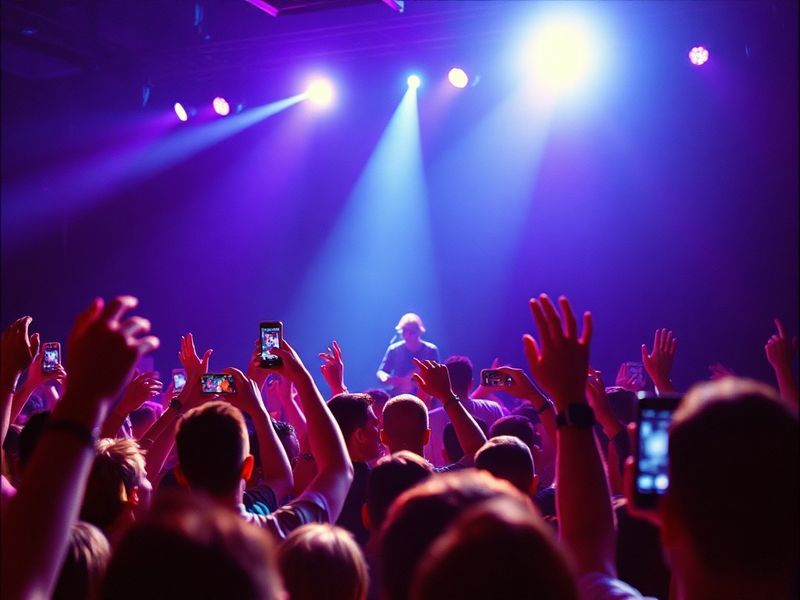
Social media has democratized access to concerts in unprecedented ways. Platforms like Instagram and TikTok allow fans to share their experiences in real time, creating a ripple effect that can turn a local show into a global talking point. Artists now build anticipation for tours by teasing setlists, behind-the-scenes footage, and interactive polls, turning fans into co-creators of the concert narrative.
Yet, technology also presents challenges. The rise of live-streamed concerts has sparked debates about the value of digital versus in-person experiences. While streaming makes music accessible to those who cannot attend physically, purists argue that it lacks the communal energy and spontaneity of a live show. Venues like Dave’s Locker have embraced hybrid models, offering exclusive live streams for remote audiences while maintaining the intimacy of in-person performances.
Another technological frontier is the use of AI and data analytics in concert production. Artists and promoters now use algorithms to predict ticket sales, optimize setlists based on audience demographics, and even generate personalized concert experiences. For example, some DJs use AI to remix tracks in real time based on crowd reactions, creating a uniquely tailored performance for each audience.
The Economics of Concerts: A Billion-Dollar Industry
The global live music industry is worth over $30 billion annually, with concerts and festivals accounting for the majority of revenue. This economic powerhouse supports not just artists but entire ecosystems of vendors, from sound engineers and security personnel to local businesses like bars and hotels. A single major tour can inject millions into a city’s economy, making concerts a vital component of urban revitalization.
However, the industry is not without its controversies. Ticket prices for high-demand shows have skyrocketed, fueled by dynamic pricing models and the dominance of secondary markets like resale platforms. Fans often find themselves paying premium prices, sometimes hundreds of dollars for a single ticket, only to face additional fees that push costs even higher. This has led to widespread frustration and calls for greater transparency in ticketing practices.
The COVID-19 pandemic exposed the fragility of the live music industry, as concerts were among the first events to shut down and the last to reopen. The industry’s resilience was tested as artists pivoted to virtual performances, from Travis Scott’s Fortnite concert, which drew 27 million viewers, to the Global Citizen Festival’s live-streamed charity events. While these digital alternatives provided temporary relief, they also highlighted the irreplaceable magic of a live performance—the shared gasp of the crowd, the sweat on the stage, the tangible energy that cannot be replicated online.
The Cultural and Social Role of Concerts
Beyond their economic impact, concerts serve as powerful platforms for social and political expression. Throughout history, music has been a tool for activism, from Bob Dylan’s protest songs in the 1960s to the role of hip-hop in modern social justice movements. Concerts amplify these messages, turning them into collective experiences that resonate far beyond the venue.
Festivals, in particular, have become microcosms of societal trends. Events like Coachella in the U.S. or Tomorrowland in Belgium are not just music gatherings but cultural phenomena that shape fashion, art, and even language. They reflect the values and aspirations of their times, whether that’s the eco-conscious themes of Glastonbury or the tech-infused aesthetics of EDC Las Vegas.
Concerts also play a crucial role in preserving and promoting cultural heritage. In Japan, traditional kabuki and noh theater concerts keep ancient art forms alive for new generations. Similarly, in Africa, initiatives like the Mali Music Festival celebrate local traditions while providing a platform for emerging artists to reach global audiences.
The Future of Concerts: Challenges and Opportunities
As the world becomes increasingly interconnected, the concert industry faces both exciting opportunities and daunting challenges. One of the biggest questions is how to balance accessibility with sustainability. Large festivals often leave significant carbon footprints, from transportation emissions to waste generation. In response, many organizers are adopting eco-friendly practices, such as using renewable energy sources, banning single-use plastics, and offsetting carbon emissions.
Another challenge is adapting to the changing habits of younger audiences. Gen Z and millennials, who prioritize experiences over material possessions, are driving demand for unique and immersive events. This has led to the rise of boutique festivals, secret shows, and pop-up concerts in unexpected locations, such as rooftops or abandoned warehouses. These events cater to the desire for exclusivity and Instagram-worthy moments, while also fostering a sense of community among attendees.
Looking ahead, the concert industry is likely to continue evolving in response to technological and cultural shifts. Virtual reality (VR) concerts, where audiences wear headsets to experience performances from the perspective of the artist, are already gaining traction. Similarly, blockchain technology is being explored as a way to create decentralized ticketing systems that prevent fraud and ensure fair pricing.
Despite these changes, one thing remains constant: the human need for connection. In an era of digital overload, concerts offer a rare opportunity to disconnect from screens and reconnect with each other. Whether it’s the intimacy of a jazz club or the grandeur of a stadium show, the concert experience is a testament to the enduring power of live music.
As we move forward, the challenge will be to preserve the authenticity and emotional resonance of concerts while embracing innovation. The best concerts will continue to surprise, inspire, and unite us—reminding us that, in a fast-changing world, some experiences are timeless.