Jaguar Land Rover Initiates Global Vehicle Safety Recall
Jaguar Land Rover (JLR) has announced a sweeping safety recall affecting thousands of vehicles across multiple continents. The move underscores the company’s commitment to addressing potential risks, even as it highlights the complexities of maintaining safety standards in an increasingly globalized automotive market. While recalls are not uncommon in the industry, the scale and scope of this initiative warrant closer examination.
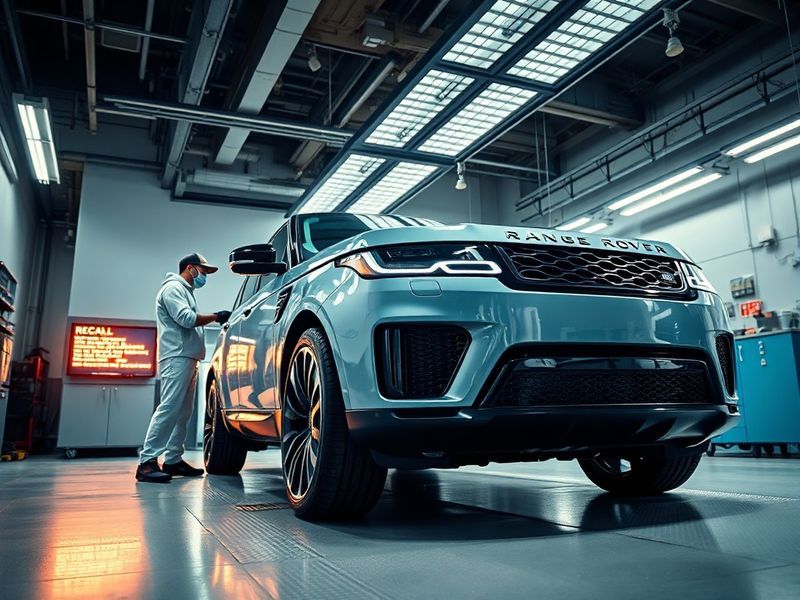
The recall impacts various models produced between 2018 and 2023, spanning both the Jaguar and Land Rover brands. Affected vehicles include popular models such as the Jaguar F-Pace, E-Pace, and I-Pace, as well as the Land Rover Range Rover, Range Rover Sport, and Discovery. The issue centers on a potential defect in the electrical system that could lead to unintended airbag deployment or other safety hazards.
Understanding the Technical Issue
The root cause of the recall stems from a software glitch in the vehicle’s advanced driver assistance systems (ADAS). According to JLR’s official statement, the fault may cause the airbag control module to malfunction, increasing the risk of an airbag deploying without warning. While no injuries have been reported, the company has taken a precautionary stance to ensure customer safety.
This issue is particularly relevant in markets where safety regulations are stringent, such as the European Union and the United States. In these regions, automotive recalls are closely monitored by regulatory bodies like the National Highway Traffic Safety Administration (NHTSA) in the U.S. and the European Commission’s Directorate-General for Internal Market, Industry, Entrepreneurship, and SMEs. JLR’s proactive approach aligns with global best practices, though the recall’s timing raises questions about oversight during the supply chain disruptions of recent years.
The Global Impact of the Recall
The recall spans over 40 countries, reflecting the interconnected nature of modern automotive manufacturing. Key markets include the United Kingdom, where JLR is headquartered, as well as the United States, China, and several European nations. The company has begun notifying affected owners via mail and digital channels, urging them to schedule service appointments at authorized dealerships.
In some regions, the recall has sparked discussions about the reliability of luxury vehicles. For instance, in China—a critical market for JLR—consumers have grown increasingly discerning about safety standards. The recall may influence purchasing decisions, particularly among buyers who prioritize long-term dependability. Meanwhile, in the U.S., where the automotive industry is highly competitive, JLR’s response will be closely watched by competitors and regulators alike.
The recall also highlights the challenges of managing safety recalls in diverse regulatory environments. Each country has its own protocols for addressing vehicle defects, and JLR must navigate these variations while ensuring consistency in its corrective measures. This complexity underscores the importance of robust global supply chain management and real-time data monitoring.
Customer Response and Industry Reactions
Early feedback from affected customers has been mixed. Some owners appreciate JLR’s transparency and swift action, while others express frustration over the inconvenience of scheduling repairs. Social media platforms have become a hub for discussions, with some users questioning whether the issue could have been detected earlier during production.
Industry analysts suggest that JLR’s handling of the recall could either reinforce its reputation for quality or raise doubts about its engineering processes. The company’s response will likely be compared to other high-profile recalls in recent years, such as those involving Tesla and Ford. For luxury automakers, maintaining customer trust is paramount, and this recall presents an opportunity to demonstrate accountability.
To mitigate potential reputational damage, JLR has emphasized its commitment to customer care. Affected owners are offered complimentary loaner vehicles during repairs, and the company has pledged to cover all costs associated with the corrective measures. This approach aligns with industry standards but also reflects the high expectations placed on premium brands.
Steps for Affected Owners
If you own a Jaguar or Land Rover vehicle produced between 2018 and 2023, it’s important to verify whether your car is part of the recall. JLR has provided a dedicated online tool on its official website where owners can enter their vehicle identification number (VIN) to check eligibility. Here’s what you should do next:
- Visit JLR’s recall website to confirm your vehicle’s status.
- Contact your nearest authorized JLR dealership to schedule an appointment for repairs.
- Bring your vehicle in for inspection and any necessary updates at no cost to you.
- Stay informed by monitoring JLR’s official communications for updates or additional instructions.
For those who prefer in-person assistance, JLR has set up customer service hotlines in each affected region. These lines are staffed by trained representatives who can guide owners through the process and answer specific questions about their vehicles.
What This Means for the Future of Automotive Safety
The JLR recall serves as a reminder of the ongoing challenges in automotive safety. As vehicles become increasingly reliant on software and advanced technologies, the risk of system failures grows. This trend calls for greater collaboration between automakers, regulators, and technology providers to preemptively identify and address potential issues.
For consumers, the recall underscores the importance of staying informed about vehicle safety updates. Regular maintenance and prompt attention to recall notices can prevent more serious problems down the line. It also highlights the value of choosing manufacturers with a strong track record of transparency and customer support.
As the automotive industry continues to evolve, recalls like this one will likely become more frequent. However, how companies respond to these challenges will define their long-term success. JLR’s experience offers valuable lessons for both manufacturers and consumers about the critical role of safety in an era of rapid technological advancement.
Conclusion
Jaguar Land Rover’s global safety recall is a significant event for the company and the broader automotive industry. While the issue is not unique to JLR, the company’s proactive response demonstrates the importance of prioritizing customer safety over short-term business considerations. The recall also serves as a case study in managing complex, multi-market challenges in an interconnected world.
For affected owners, the process of scheduling repairs may be an inconvenience, but it is a necessary step to ensure their safety and the safety of others on the road. As the automotive industry moves toward an increasingly digital future, recalls like this one will likely become more common. The key for manufacturers will be maintaining transparency, responsiveness, and a commitment to continuous improvement.
Ultimately, the JLR recall is a reminder that even the most trusted brands must remain vigilant. For consumers, it’s a call to stay informed and proactive about vehicle safety. As technology advances, so too must the standards and practices that keep us safe behind the wheel.