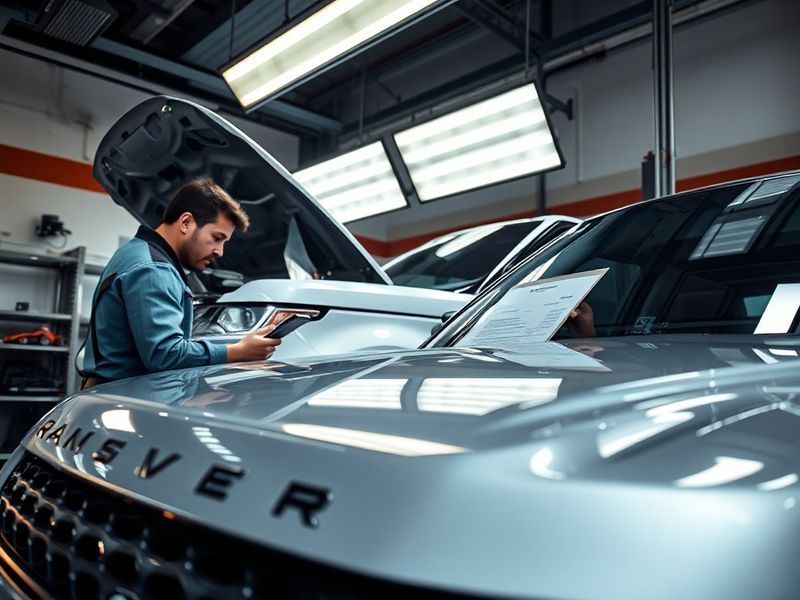
JLR Vehicle Safety Recall: Key Details and Next Steps for Owners
“`html
JLR Vehicle Safety Recall: What Owners Need to Know
Jaguar Land Rover (JLR) has initiated a significant vehicle safety recall affecting thousands of models worldwide. The recall addresses potential issues that could compromise driver and passenger safety, prompting swift action from the automaker. For owners, understanding the scope, timeline, and resolution process is critical to ensuring their vehicles remain safe and compliant.
This recall is part of JLR’s ongoing commitment to transparency and safety, but the specifics vary by model and region. Below, we break down the key details, broader implications, and what affected owners should do next.
Understanding the Recall: Key Details
The recall centers on two primary concerns: electrical system malfunctions and potential brake system defects. These issues were identified through internal diagnostics and regulatory reporting, prompting JLR to initiate a coordinated response. The affected models span multiple years and configurations, though not every vehicle from these model years is impacted.
JLR has released a detailed list of affected vehicles, organized by model and production year. Owners can verify their vehicle’s eligibility by entering the VIN (Vehicle Identification Number) on the official JLR recall portal. Below is a summary of the most commonly affected models:
- Range Rover Sport (2018–2021)
- Range Rover Velar (2018–2021)
- Jaguar F-Pace (2017–2020)
- Jaguar E-Pace (2018–2020)
- Land Rover Discovery (2017–2020)
While the recall is global, the exact number of vehicles affected differs by market due to variations in production and distribution. JLR has emphasized that the recall is precautionary, meaning not all vehicles will necessarily experience the issue. However, the automaker’s proactive stance underscores the importance of addressing potential risks before they escalate.
The Technical Issues Behind the Recall
The electrical system malfunctions primarily involve the 12V battery monitoring system, which could fail to alert drivers to low voltage levels. This oversight may lead to unexpected battery drain, leaving drivers stranded in some cases. The brake system defects, though less common, involve potential brake vacuum pump failures, which could reduce braking efficiency under certain conditions.
JLR has attributed these issues to component sourcing and software calibration challenges during specific production periods. The automaker has worked closely with suppliers to identify root causes and implement corrective measures. For owners, the most pressing question is whether their vehicle is affected and what steps they need to take.
To address these concerns, JLR dealerships will perform free inspections and, if necessary, replace or reprogram affected components. The process is designed to be efficient, with most repairs completed within a single visit. Owners are urged to schedule appointments as soon as possible to avoid potential complications.
What JLR Owners Should Do Next
If you own one of the affected models, the first step is to confirm whether your vehicle is included in the recall. JLR provides multiple channels for this verification:
- Official Recall Portal: Visit JLR’s recall website and enter your VIN to check eligibility.
- Dealer Notification: JLR will send direct notifications to registered owners via mail or email. Ensure your contact details are up to date with the automaker.
- Customer Support: Contact your nearest JLR dealership or call the customer service hotline for assistance.
Once confirmed, schedule a service appointment at an authorized JLR dealership. The inspection and repair process is free of charge, and JLR has pledged to prioritize customer convenience. For those who have recently purchased a used vehicle, checking the recall status is especially important, as prior owners may not have been notified.
In some cases, owners may experience delays due to high demand for recall services. JLR has advised patience and recommends scheduling appointments well in advance to secure preferred timing. Additionally, alternative transportation may be provided for vehicles requiring extended repairs.
Broader Implications for the Automotive Industry
This recall highlights the growing complexity of modern vehicle systems and the challenges automakers face in maintaining safety standards. As vehicles become more reliant on electrical and software-driven components, the risk of unforeseen issues increases. JLR’s response demonstrates a commitment to proactive safety management, but it also underscores the need for robust quality control in the supply chain.
For the broader industry, the recall serves as a reminder of the consequences of component failures, particularly in high-performance and luxury vehicles. Automakers must balance innovation with reliability, ensuring that technological advancements do not compromise safety. Regulatory bodies, too, are increasingly scrutinizing recalls, demanding transparency and swift action from manufacturers.
Owners of affected vehicles may also experience resale value fluctuations, though JLR’s proactive recall efforts could mitigate long-term impacts. The recall’s timing, coinciding with broader shifts in the automotive market, adds another layer of complexity. As electric and autonomous vehicles gain prominence, traditional automakers like JLR must navigate evolving safety expectations while maintaining customer trust.
Ultimately, this recall is a testament to the importance of vigilance in vehicle ownership. By staying informed and taking prompt action, owners can ensure their safety and the longevity of their vehicles.
Conclusion
The JLR vehicle safety recall is a critical reminder of the importance of proactive vehicle maintenance and manufacturer accountability. While the recall may cause temporary inconvenience for some owners, it underscores JLR’s commitment to safety and transparency. Affected owners should act promptly to verify their vehicle’s eligibility and schedule necessary repairs.
For the automotive industry, this recall serves as a case study in balancing innovation with safety. As vehicles become more technologically advanced, automakers must remain vigilant in identifying and addressing potential risks. Owners, too, play a vital role by staying informed and responsive to recall notices.
By taking swift and decisive action, JLR has demonstrated its dedication to customer safety and satisfaction. For those impacted, the recall presents an opportunity to ensure their vehicles remain reliable and secure for years to come.
For more insights into automotive safety and industry trends, explore our coverage at Dave’s Locker Automotive and Dave’s Locker News.