NHL Playoff Overtime Rules Explained: Sudden Death on Ice
“`html
NHL Playoff Overtime Rules Explained: Sudden Death on Ice
By Dave’s Locker Staff
Published: June 10, 2024
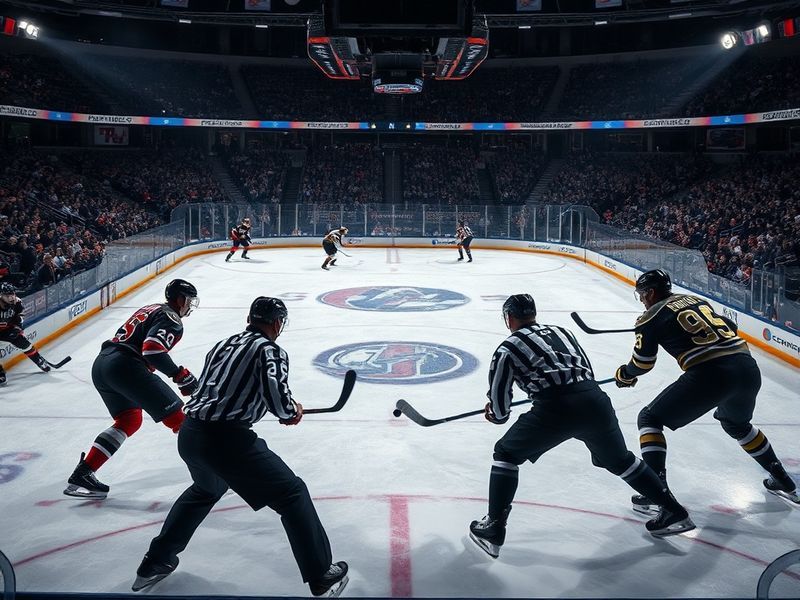
The National Hockey League playoffs are a stage where legends are made—and where the rules of overtime transform the game into something even more thrilling. Unlike the regular season’s three-on-three overtime, the postseason brings a return to the classic five-on-five format, where every second counts and the margin for error vanishes. This shift isn’t just a rule change; it’s a test of endurance, strategy, and sheer willpower, reflecting the league’s commitment to preserving the purity of playoff hockey.
The Core Rules of NHL Playoff Overtime
When the puck drops in a playoff overtime, the stakes are immediate and absolute. The NHL’s playoff overtime rules are straightforward but designed to amplify drama. Here’s how they work:
- Full 20-Minute Periods: Playoff overtime consists of sudden-death periods that last 20 minutes each. The first team to score wins the game.
- Five-on-Five Format: Unlike the regular season’s three-on-three overtime, the postseason reverts to five skaters per side, including the goaltender. This mirrors the standard game format and demands a higher level of tactical play.
- No Shootouts: If the game remains tied after the first overtime period, additional 20-minute periods are played until a goal is scored. Shootouts are not an option in the playoffs.
- Ice Conditions: Playoff overtime is played on the same ice surface used during regulation, which can become increasingly choppy and slower as the game progresses. Teams must adapt to these changing conditions.
The rules are simple, but their execution is anything but. Playoff overtime is a crucible where players must balance aggression with precision, knowing that one misstep can cost their team the game. This format has produced some of the most iconic moments in hockey history, where players rise to the occasion—or fall under the pressure.
Why the NHL Uses Five-on-Five in the Playoffs
The NHL’s decision to revert to five-on-five overtime in the playoffs is rooted in tradition and strategy. During the regular season, the league employs three-on-three overtime to increase scoring chances and reduce the likelihood of lengthy, low-scoring games. However, the playoffs demand a different approach. Commissioner Gary Bettman has emphasized that the postseason should reflect the highest level of competition, where the full complement of players is required to showcase skill and strategy.
Five-on-five overtime ensures that teams cannot rely on defensive traps or conservative play to grind out a victory. Instead, it forces them to attack with purpose, creating a more dynamic and entertaining product for fans. This rule also aligns with the NHL’s global appeal, where traditional hockey values—speed, skill, and physicality—take center stage.
From a global perspective, this rule resonates with fans who appreciate the purity of the sport. In countries like Canada, Russia, and Sweden, where hockey is deeply embedded in the cultural fabric, the five-on-five overtime format is seen as a return to the game’s roots. It’s a reminder of why fans love hockey: for its unpredictability and the sheer will of the players to outduel their opponents in high-stakes moments.
The Cultural Impact of Playoff Overtime
Playoff overtime isn’t just a rule—it’s a cultural phenomenon that transcends the sport itself. The moments that unfold in those extra minutes become part of hockey’s collective memory, woven into the fabric of the game’s history. Consider the 1996 Stanley Cup Playoffs, when Detroit Red Wings forward Kris Draper scored in the third overtime to eliminate the St. Louis Blues. That goal didn’t just win a game; it cemented Draper’s legacy as a clutch performer and sent shockwaves through the hockey world.
In Russia, where hockey is a source of national pride, playoff overtime is celebrated as a test of character. Russian players are often praised for their endurance and tactical discipline, qualities that are put to the test in these high-pressure situations. Similarly, in Sweden, where the sport is deeply ingrained in the culture, playoff overtime is seen as a rite of passage for young players aspiring to reach the NHL.
The global appeal of playoff overtime is also reflected in how it’s covered by media outlets worldwide. In Canada, where hockey is almost a religion, networks like Sportsnet and TSN dedicate hours of coverage to analyzing overtime strategies. In Europe, hockey journalists dissect the mental and physical toll of these extended periods, often drawing parallels to other high-stakes sports like soccer’s penalty shootouts.
Strategies and Adaptations in Playoff Overtime
Success in playoff overtime requires more than just skill—it demands adaptability. Coaches and players must quickly assess the game’s flow and adjust their strategies accordingly. Here are some of the key tactics used in playoff overtime:
- Controlled Zone Entries: Teams often focus on controlled zone entries to maintain possession and create scoring chances. Rushing the puck into the offensive zone can lead to turnovers, which are especially costly in overtime.
- Power Plays: While five-on-five is the norm, teams must still be prepared to capitalize on power plays if an opponent takes a penalty. The ability to convert on these opportunities can be the difference between winning and losing.
- Goaltender Play: Goaltenders are under immense pressure to make saves in overtime. Their positioning and reflexes are critical, as even a single mistake can result in a game-ending goal.
- Line Matchups: Coaches often deploy their best defensive pairings against the opponent’s top offensive lines to minimize scoring chances. This chess match adds another layer of complexity to playoff overtime.
- Fatigue Management: Players must manage their energy levels carefully. Overtime periods can last well over an hour, and fatigue can lead to costly mistakes. Teams that can outlast their opponents physically often gain the upper hand.
One of the most fascinating aspects of playoff overtime is how it reveals the true character of a team. The best teams don’t just rely on skill; they rely on mental toughness and the ability to perform under pressure. This is why playoff overtime is often where legends are born—and where careers are defined.
Conclusion: The Heartbeat of Playoff Hockey
The NHL’s playoff overtime rules are a testament to the league’s commitment to preserving the essence of the sport. By reverting to five-on-five sudden death, the NHL ensures that playoff hockey remains unpredictable, thrilling, and true to its roots. These overtime periods are where the game’s greatest moments unfold, where players are tested in ways they never imagined, and where fans are treated to hockey at its finest.
For fans around the world, playoff overtime is more than just a rule—it’s a tradition. It’s a reminder of why hockey is called the fastest team sport in the world, and why the pursuit of the Stanley Cup is one of the most grueling challenges in sports. Whether you’re in Toronto, Moscow, or Stockholm, the tension of playoff overtime transcends borders and unites fans in a shared experience of excitement and anticipation.
As the NHL continues to evolve, one thing remains constant: the magic of playoff overtime. It’s where heroes are made, where dreams are realized, and where the true spirit of hockey shines brightest.
For more insights into the world of hockey, explore our Sports section, where we dive deeper into the strategies, stories, and trends shaping the game.