Why Airlines Are Cancelling More Flights in 2024
“`html
Airlines Cancelling Flights: Why It’s Happening More Often
The summer travel season of 2024 has been marked by frustration for passengers worldwide. Airlines have cancelled thousands of flights, leaving travelers stranded, budgets strained, and vacation plans in disarray. While cancellations are not uncommon, the frequency and scale of disruptions this year have raised concerns about industry stability and operational reliability. We examine the root causes, recent trends, and what passengers can do to mitigate the impact.
The Role of Staffing Shortages in Flight Cancellations
One of the most persistent challenges facing airlines is staffing shortages, particularly among pilots and flight attendants. The aviation industry lost thousands of experienced professionals during the pandemic, many of whom took early retirement or transitioned to other careers. Replacing them has proven difficult due to lengthy training periods and high attrition rates among new hires.
According to a report by the International Air Transport Association (IATA), pilot shortages alone could affect up to 12% of global flight capacity by 2026. In the United States, regional airlines—responsible for many short-haul flights—have been hit hardest. These carriers often operate on thin margins and struggle to compete with major airlines for talent, leading to chronic understaffing and last-minute cancellations.
Many airlines have responded by increasing wages and offering signing bonuses, but the demand for skilled labor still outpaces supply. The situation is further complicated by regulatory requirements that mandate minimum rest periods between flights, limiting flexibility in crew scheduling.
How Weather and Operational Delays Compound the Problem
While staffing issues are a long-term concern, short-term disruptions often stem from weather and operational inefficiencies. Severe thunderstorms, hurricanes, and even extreme heat can ground flights, especially in regions with outdated infrastructure. Air traffic control systems in some countries remain outdated, exacerbating delays when conditions deteriorate.
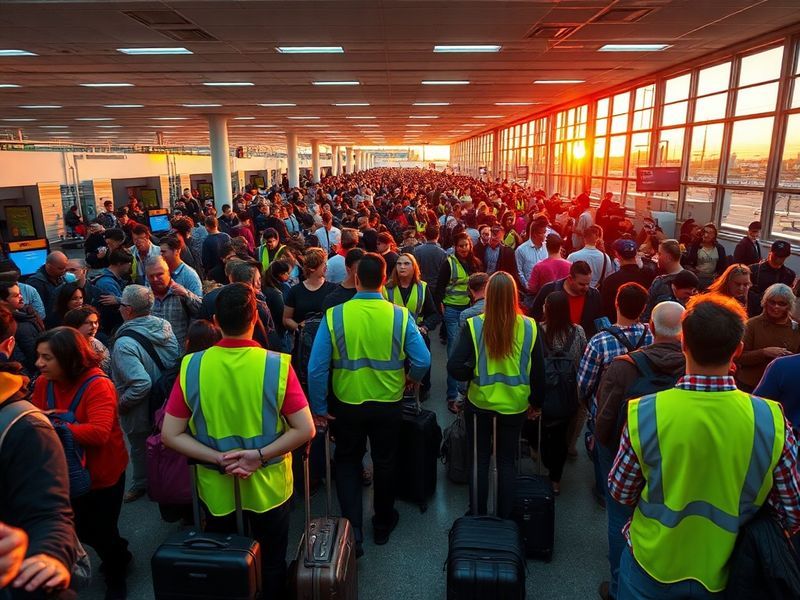
Airlines also face operational bottlenecks at major hubs like Atlanta, Chicago, and New York, where congestion leads to cascading delays. When a single flight is delayed or cancelled, the ripple effect can disrupt dozens of subsequent departures, creating a domino effect that lasts for days.
Regional Disparities in Flight Cancellations
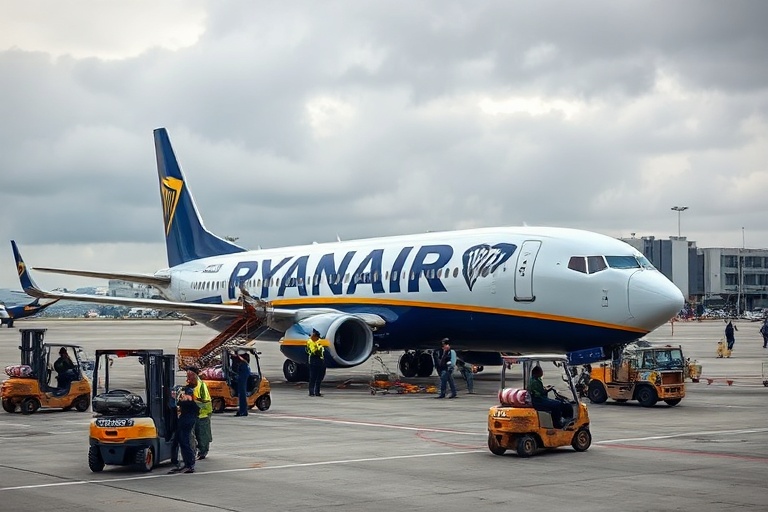
Not all airlines or regions are affected equally. Low-cost carriers, which often rely on a lean operational model, have seen higher cancellation rates than legacy airlines. In Europe, strikes by air traffic controllers and ground staff have led to repeated disruptions, particularly in France and Germany. Meanwhile, Asian airlines have faced delays due to geopolitical tensions and airspace restrictions.
In the United States, the Federal Aviation Administration (FAA) has reported that cancellations surged by 23% in the first half of 2024 compared to the same period last year. The situation is most acute in the Midwest and Northeast, where aging infrastructure and severe weather patterns collide.
For passengers, this means that choosing an airline based solely on price may not guarantee a smoother journey. Researching an airline’s on-time performance and cancellation history—available on sites like Dave’s Locker Travel—can help travelers make more informed decisions.
What Passengers Can Do to Avoid Disruptions
While airlines bear much of the responsibility for operational reliability, passengers are not entirely powerless. Proactive planning and flexibility can significantly reduce the risk of cancellations derailing travel plans. Here are key strategies to consider:
- Book Direct Flights: Connecting flights increase the likelihood of disruptions. Opting for nonstop routes minimizes exposure to delays at intermediate airports.
- Monitor Airline Policies: Some airlines offer more generous rebooking options than others. Check cancellation and change policies before purchasing tickets.
- Travel During Off-Peak Times: Flights in the early morning or late evening are less likely to be affected by daytime thunderstorms or peak congestion.
- Consider Travel Insurance: Policies that cover trip interruptions or cancellations can provide financial protection if plans fall through.
- Stay Informed: Sign up for airline notifications and check flight statuses regularly, especially during peak travel seasons.
Passengers should also be aware that airlines are required by U.S. Department of Transportation regulations to provide compensation or rebooking options for cancellations caused by factors within their control, such as crew shortages. However, these protections do not apply to weather-related disruptions, which remain the leading cause of cancellations.
The Future of Air Travel: Can the Industry Recover?
The aviation industry is at a crossroads. While demand for air travel continues to rise—particularly in emerging markets like Southeast Asia and Africa—capacity constraints and labor shortages threaten to undermine growth. Airlines are investing billions in new aircraft and technology, but these solutions take years to implement.
Governments are also stepping in to address infrastructure gaps. In the United States, the FAA has allocated $25 billion for airport improvements over the next five years, including upgrades to air traffic control systems. Similarly, the European Union is funding projects to modernize airspace management and reduce congestion.
For now, passengers must navigate an unpredictable landscape. While airlines work to rebuild their workforce and upgrade systems, travelers can reduce stress by planning ahead and choosing airlines with proven track records for reliability. Resources like Dave’s Locker Travel offer tools to compare airlines and track performance metrics, helping travelers make smarter decisions.
The summer of 2024 may be remembered as a turning point for the aviation industry—or as another reminder of its fragility. Until systemic issues are resolved, cancellations will remain a reality of air travel, demanding vigilance and adaptability from passengers.