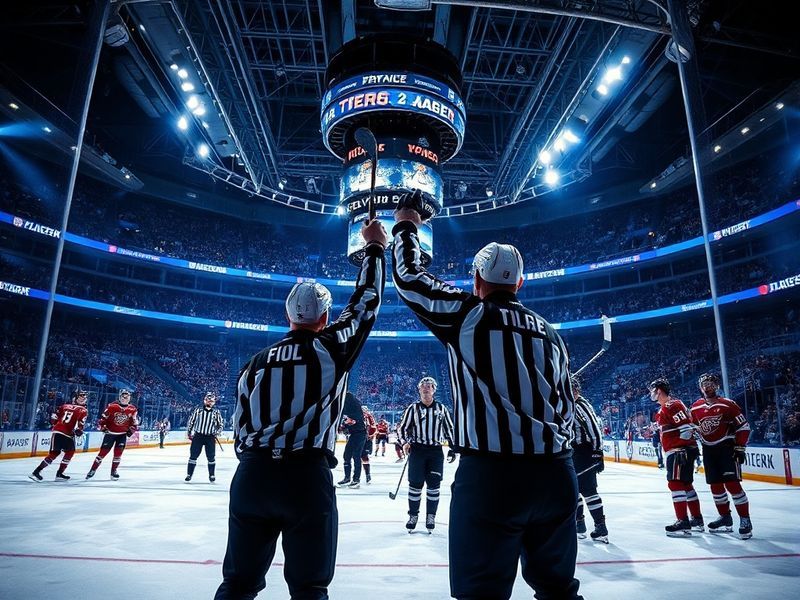
NHL Playoff Overtime Rules: How Sudden Death Works
“`html
NHL Playoff Overtime Rules Explained: Sudden Death on Ice
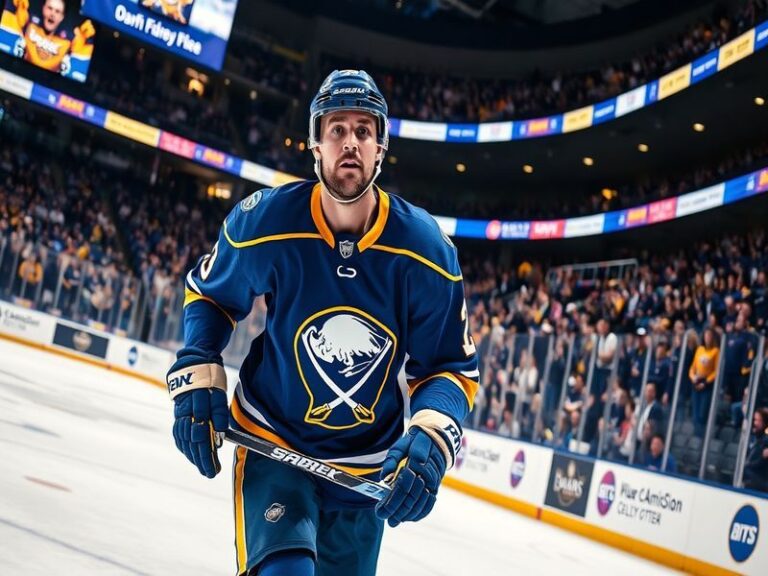
When the NHL playoffs arrive, every second counts—but none more so than in overtime. The postseason brings a unique set of rules that differ from the regular season, designed to deliver high-stakes drama and decisive outcomes. Overtime in the playoffs isn’t just an extension; it’s a sudden-death sprint where one goal decides the fate of a series.
The NHL’s playoff overtime format has evolved over decades, shaped by the league’s commitment to fairness and spectacle. Unlike the regular season’s three-on-three overtime, the playoffs revert to five-on-five hockey, with each period lasting 20 minutes. No shootouts. No ties. Just relentless, winner-take-all hockey until someone scores.
How NHL Playoff Overtime Works
Playoff overtime is a direct contrast to the regular season’s approach. Here’s how it breaks down:
- Five-on-five format: Teams play full-strength hockey with six skaters each, including the goaltender. There are no power plays or penalties carried over from regulation.
- 20-minute periods: Each overtime session lasts 20 minutes, with a brief intermission between periods. The clock stops only for goals, injuries, or official reviews.
- Sudden death: The first goal scored ends the game immediately. No matter when it happens—at 1:03 of the first overtime or 19:58 of the fifth—it’s over.
- Unlimited overtime: There is no cap on the number of overtime periods. Historic games like the 2000 playoff matchup between the Devils and Stars required four overtimes to decide a winner.
- Ice resurfacing: The ice is cleaned between every period, ensuring optimal conditions for players pushing through fatigue.
This format ensures that playoff overtime remains one of the most unpredictable and thrilling spectacles in sports. The pressure is immense, the stakes are sky-high, and the margin for error is nonexistent.
Why the NHL Sticks to Five-on-Five in the Postseason
The league’s decision to revert to five-on-five hockey in playoff overtime isn’t arbitrary. It reflects a deliberate effort to preserve the essence of playoff hockey: endurance, strategy, and clutch performances. Here’s why the NHL stands by this rule:
- Tradition and authenticity: Playoff hockey has always been about the full complement of players battling in high-pressure situations. Five-on-five maintains the game’s traditional structure, emphasizing skill and teamwork over special-teams exploits.
- Reduced luck, increased skill: While three-on-three in the regular season accelerates scoring, five-on-five in the playoffs rewards teams that can control play and manage puck possession under fatigue.
- Historical significance: Iconic playoff moments—like Brett Hull’s controversial Cup-winning goal in 1999 or the Red Wings’ triple-overtime win in 2009—are etched in hockey lore because they unfolded in full-strength, sudden-death scenarios.
- Fairness to both teams: The five-on-five format ensures neither team gains an artificial advantage from penalties or power plays carried over from regulation, keeping the competition balanced.
Critics argue that three-on-three might produce more goals and reduce the risk of marathon games, but the NHL prioritizes the purity of playoff hockey. The league’s philosophy is clear: if a game can’t be decided in regulation, it should be settled by the team that demonstrates superior skill and will in a true five-on-five battle.
The Stakes of Playoff Overtime: More Than Just a Win
Playoff overtime isn’t just about advancing to the next round—it carries broader implications for teams, players, and even fan engagement. The stakes amplify with each passing minute, creating moments that define legacies.
For players, a playoff overtime goal can cement a reputation as a clutch performer. Names like Patrick Kane, who scored the Cup-winning goal in 2010, or Joe Pavelski, who led the Sharks to a series-clinching overtime win in 2016, are immortalized in franchise history. Conversely, a missed opportunity can haunt a player for years, as seen with Alex Ovechkin’s near-misses in the early 2010s.
Teams, too, face long-term consequences. A quick overtime loss can shift momentum in a series, while a grueling victory can drain energy from the players. Coaches must manage line changes and defensive pairings meticulously, knowing that every shift could be the difference between advancing or going home.
Fans bear the emotional toll as well. Playoff overtime games often draw record TV ratings, with viewers glued to their screens until the final whistle. The unpredictability of sudden death creates a shared experience that bonds communities, whether they’re packed into arenas or gathered around living room TVs.
For the NHL, these moments are invaluable. They generate headlines, fuel narratives, and keep the league in the cultural conversation long after the final buzzer sounds. Playoff overtime isn’t just a mechanism to decide a winner—it’s a cornerstone of the league’s identity.
Looking Ahead: Could the NHL Ever Change Its Playoff Overtime Rules?
While the NHL has shown little interest in altering its playoff overtime format, the conversation isn’t entirely off the table. As the league explores ways to enhance the fan experience and manage player workload, potential tweaks to overtime rules could emerge.
One possibility is limiting the number of overtime periods before implementing a shootout or other tiebreaker, though this would likely face backlash from purists. Another option is experimenting with hybrid formats, such as alternating between five-on-five and three-on-three in different periods, though such a change would require significant debate among owners and players.
For now, the NHL remains committed to its traditional approach. The unpredictability of playoff overtime is part of what makes the postseason so compelling. Whether it’s a 20-minute sudden death or a five-overtime marathon, the format ensures that every playoff game has a definitive ending—and a story worth telling.
As fans gear up for another run of thrilling postseason action, one thing is certain: when the puck drops in overtime, the drama is just getting started.
For more insights into the NHL playoffs and the strategies that shape them, explore our Sports and Analysis sections on Dave’s Locker.