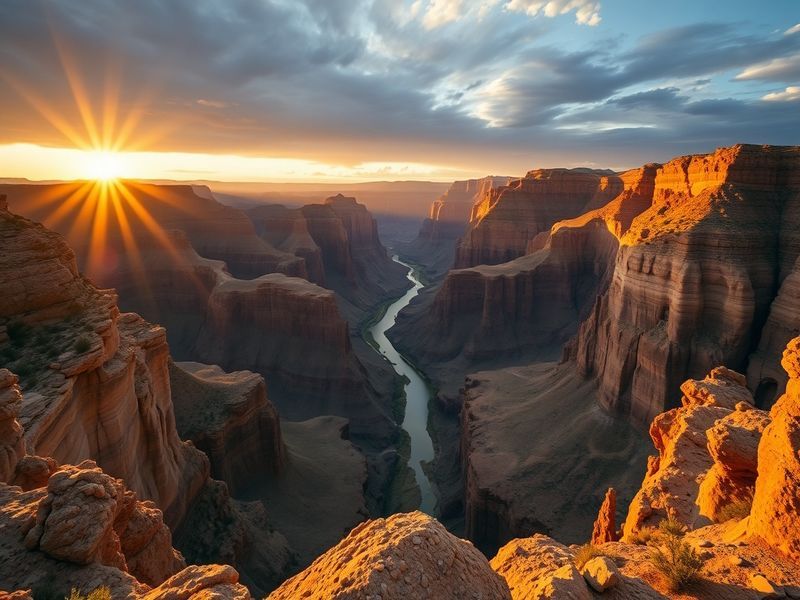
The Range: How Global Cultures Define Space and Freedom
The concept of “the range” extends far beyond its literal meaning of an expanse of land. It embodies freedom, opportunity, and the boundaries within which humans operate. From the Mongolian steppes to the American West, the idea of range has shaped civilizations, economies, and identities. This exploration looks at how different cultures interpret and utilize the range, revealing universal and unique perspectives on space, movement, and possibility.
The American West: Land as Liberty
In the United States, “the range” often conjures images of the Old West—vast, open landscapes where cowboys, ranchers, and outlaws roamed freely. The term originally referred to the unfenced grazing lands where cattle could wander, but it quickly became a symbol of independence and self-reliance. The Homestead Act of 1862 encouraged settlers to claim and cultivate land, reinforcing the idea that opportunity lay in the untamed frontier.
Today, the American West’s cultural legacy persists in rodeos, country music, and Western films. The range is more than geography; it’s a state of mind. Even as urbanization shrinks open spaces, the myth of the range endures as a reminder of a time when land equaled freedom. The sports of rodeo, for example, celebrate the skills once essential for survival on the range, from bull riding to roping.
Yet, this romanticized vision often overlooks the displacement of Indigenous peoples and the environmental toll of unchecked expansion. The range, in this context, was both a promise and a paradox—a place of possibility that came at a cost.
The Mongolian Steppe: Nomadic Freedom in an Open World
Halfway across the globe, in Mongolia, the range takes on a different meaning. The vast steppes have been home to nomadic herders for millennia, where the absence of fixed boundaries allows for a way of life deeply connected to the land. For Mongolian nomads, the range is not just physical space but a dynamic ecosystem that dictates movement, survival, and tradition.
Unlike the static ownership of land in Western cultures, Mongolian nomads follow a seasonal rhythm, migrating with their herds to find fresh pasture. This mobility is central to their identity. The range, in this case, is a shared resource—a commons that requires cooperation and respect. The Mongolian word for “range” (nutag) also means “homeland,” reflecting how deeply tied people are to the land they traverse.
Modern Mongolia faces challenges to this way of life. Climate change and urban migration threaten the nomadic traditions that have defined the country for centuries. Yet, efforts to preserve these practices highlight the enduring value of the range as a cultural and ecological asset.
The Australian Outback: A Harsh but Liberating Frontier
In Australia, the range is synonymous with the Outback—a term that evokes both isolation and opportunity. Unlike the fertile plains of Europe or the crowded cities of the East Coast, the Outback is a place of extremes: scorching heat, scarce water, and vast distances. Yet, it has long been a symbol of resilience and adventure.
For Indigenous Australians, the Outback is not just a physical space but a spiritual one. The Dreamtime stories of the Aboriginal peoples map the land with sacred significance, where every rock, river, and hill holds ancestral meaning. The range, in this context, is a living archive of culture and history.
European settlers saw the Outback differently. It was a frontier to be tamed, a place where prospectors and explorers sought fortune. The Australian gold rushes of the 19th century turned remote areas into bustling hubs overnight, reinforcing the idea that the range was a land of potential. Today, the Outback remains a draw for adventurers, artists, and those seeking to escape the constraints of urban life.
The Urban Range: Redefining Space in Cities
Not all ranges are physical. In densely populated cities, the concept of range has evolved to describe social and economic mobility. The ability to move freely—whether through public transit, digital connectivity, or financial resources—defines modern urban life. Cities like Tokyo, New York, and Lagos are microcosms of global range, where opportunity is often tied to proximity and access.
In Tokyo, for example, the efficient public transportation system allows residents to traverse vast distances in minimal time, creating a sense of boundless possibility. Meanwhile, in Lagos, the informal economy thrives in the gaps between formal structures, where street vendors, artisans, and entrepreneurs carve out their own ranges of operation.
Yet, urban range is not equally distributed. Gentrification, economic inequality, and infrastructure gaps can shrink the range for marginalized communities. The challenge for cities is to ensure that the range remains a source of freedom rather than exclusion.
Comparing Cultural Perspectives on the Range
The way cultures define the range reveals deeper values about freedom, ownership, and community. Below is a breakdown of key differences:
- Western Perspective: The range is often tied to land ownership and individualism. It’s a place to claim, cultivate, and control.
- Nomadic Cultures (e.g., Mongolia): The range is a shared resource, requiring movement and cooperation. It’s as much about relationships as it is about geography.
- Indigenous Views (e.g., Australia): The range is sacred, with spiritual and ancestral significance. It’s a living entity rather than a commodity.
- Urban Contexts: The range shifts to social and economic mobility, where access to resources and opportunities defines freedom.
These perspectives highlight that the range is not a monolithic concept. It adapts to cultural, historical, and environmental contexts, shaping—and being shaped by—human experiences.
The Range in the Digital Age
The digital revolution has expanded the concept of range into virtual spaces. The internet, social media, and remote work have redefined what it means to have freedom of movement. No longer confined by physical borders, people can connect, create, and collaborate across the globe. Platforms like technology startups and online communities have turned the digital range into a new frontier of opportunity.
However, the digital range also comes with challenges. Access to technology is uneven, creating new forms of exclusion. Algorithms and digital surveillance can shrink the range of free expression, while misinformation can distort the boundaries of truth. The digital range, like its physical counterparts, is a space of both liberation and constraint.
Conclusion: The Range as a Mirror of Human Aspiration
The range, in all its forms, is a reflection of human aspiration. It represents the desire for freedom, the pursuit of opportunity, and the struggle to define boundaries—both personal and communal. Whether on the Mongolian steppes, the American frontier, the Australian Outback, or the digital landscape, the range challenges us to ask: What does space mean to us? How do we share it? And what are we willing to sacrifice for it?
As the world becomes more interconnected yet increasingly fragmented, the range remains a powerful metaphor. It reminds us that freedom is not just about the absence of limits but about how we navigate them. In a time of climate change, urbanization, and digital transformation, the range is more relevant than ever—a testament to humanity’s enduring quest for space, both literal and metaphorical.