Dodgers vs. Rockies: How Pitching Philosophies Define MLB Teams
“`html
Dodgers vs. Rockies: A Tale of Two Pitching Staffs
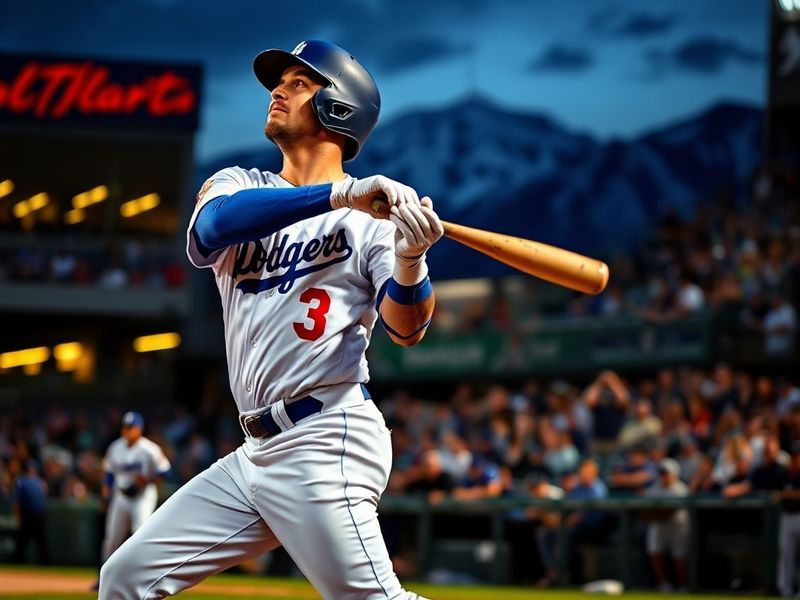
The Los Angeles Dodgers and Colorado Rockies faced off in a pivotal series that highlighted the stark contrasts between two pitching philosophies. On a cool September evening at Dodger Stadium, the matchup became a microcosm of how ballpark environments shape player development and team strategies.
The Rockies entered the series with the worst ERA in baseball, while the Dodgers ranked among the league leaders. This disparity wasn’t just statistical—it reflected deeper organizational philosophies that have defined both franchises in recent years.
The Rockies’ Struggles: A Pitching Paradox
Colorado’s pitching woes have become a familiar narrative. Despite Coors Field’s reputation as a hitter’s paradise, the Rockies’ struggles extend far beyond altitude. Their rotation ranked last in strikeout rate, and their bullpen posted a league-worst 5.12 ERA.
Several factors contribute to this underperformance:
- Over-reliance on ground balls: The Rockies have prioritized inducing weak contact, but their infield defense hasn’t been up to the task. Ground-ball pitchers thrive when defenders make plays, and Colorado’s infield has been among the league’s least reliable.
- Lack of dominant arms: Unlike past Rockies teams that featured power arms like Ubaldo Jiménez and Jorge de la Rosa, the current staff lacks pitchers who can overpower hitters. This forces them to rely on sequencing and defense, both of which have been inconsistent.
- Injury complications: Key pitchers like Germán Márquez have battled injuries, disrupting the team’s ability to develop a cohesive rotation. Depth hasn’t been sufficient to weather these setbacks.
The Rockies’ struggles aren’t just about pitching—they reflect a systemic issue in player development. The franchise has historically struggled to develop homegrown pitching talent, a problem exacerbated by the hitter-friendly conditions at Coors Field.
The Dodgers’ Dominance: Pitching as a Cornerstone
While the Rockies faltered, the Dodgers showcased why they remain perennial contenders. Their pitching staff combines elite power arms with meticulous pitch sequencing, a recipe for consistency regardless of ballpark.
The Dodgers’ rotation features three pitchers with sub-3.00 ERAs, a testament to their ability to develop and acquire talent. Their bullpen, anchored by Craig Kimbrel and Brusdar Graterol, has been equally dominant, posting a 3.21 ERA over the past two seasons.
Several elements define the Dodgers’ pitching success:
- Analytics-driven approach: The Dodgers use advanced metrics to optimize pitch selection and defensive positioning. This data-driven mindset ensures that every decision—from pitch types to defensive shifts—maximizes run prevention.
- Depth and flexibility: Injuries and workload management are constant challenges, but the Dodgers’ depth allows them to rotate pitchers seamlessly. This flexibility keeps their bullpen fresh and their rotation stable.
- Cultural emphasis on pitching: From the minor leagues to the majors, the Dodgers prioritize pitching development. Their farm system consistently produces arms capable of contributing at the highest level.
The contrast between the two teams’ pitching staffs underscores a broader trend in MLB: the growing importance of power pitching. As launch angles and exit velocities rise, teams that can suppress hard contact gain a significant advantage.
Broader Implications: The Evolution of MLB Pitching
The Dodgers vs. Rockies series wasn’t just another interleague matchup—it highlighted the shifting dynamics of MLB pitching. The league’s emphasis on velocity and spin rate has left teams like the Rockies scrambling to adapt.
Teams in pitcher-friendly ballparks, like the Dodgers, have thrived by leveraging analytics and player development. Meanwhile, teams in hitter-friendly environments face an uphill battle unless they can acquire elite pitching talent.
This disparity raises questions about the future of small-market teams. Can teams like the Rockies compete without the financial resources to acquire top-tier pitching? The answer may lie in innovative strategies, such as bullpenning or extreme defensive shifts.
What’s Next for Both Teams
For the Rockies, the focus must shift to rebuilding their pitching infrastructure. This could involve trading for controllable arms or investing in player development. Their long-term success hinges on addressing their pitching deficiencies.
The Dodgers, meanwhile, continue to position themselves as favorites for the postseason. Their pitching staff remains a strength, and their ability to make midseason adjustments has been a hallmark of their recent success.
As the season progresses, the contrast between these two teams will become even more pronounced. The Dodgers’ model of sustained excellence offers a blueprint for other franchises, while the Rockies’ struggles serve as a cautionary tale.
For fans, this series was a reminder of how pitching can shape a team’s identity. Whether it’s the power arms of the Dodgers or the ground-ball approach of the Rockies, the art of pitching remains central to baseball’s enduring appeal.
For more insights into MLB trends, visit our Sports and Analysis sections.