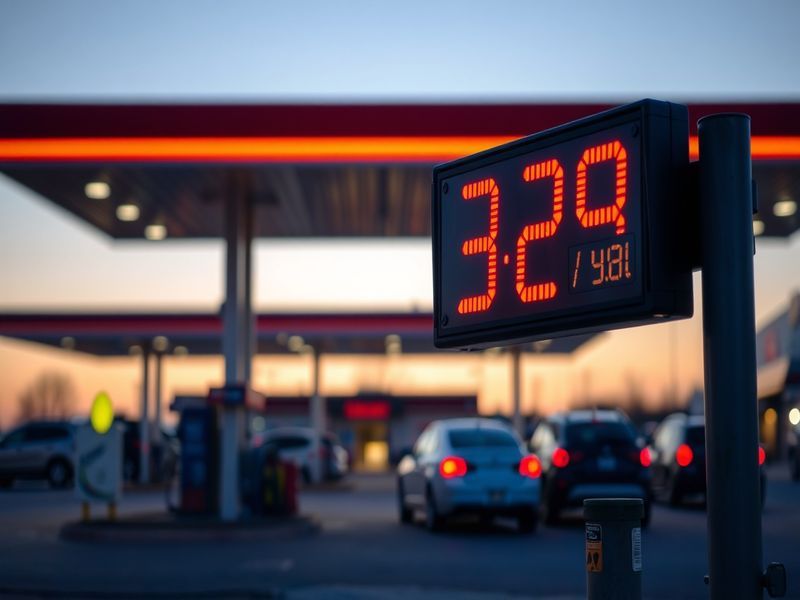
Fuel Prices Around the World: What “Gas Near Me” Really Costs
Across continents and cultures, the simple act of filling a car’s tank reveals stark economic contrasts. In some nations, drivers enjoy prices that barely register on their monthly budgets. In others, fuel costs can consume a significant portion of household income. The phrase “gas near me” isn’t just a search query—it’s a window into global disparities, local economic health, and even geopolitical tensions.
Fuel prices fluctuate based on factors ranging from crude oil markets to government subsidies. Taxes often play a decisive role, with some countries adding steep levies that push pump prices far above production costs. Meanwhile, others subsidize fuel to keep essential transportation affordable for citizens. These policies reflect broader priorities: balancing revenue needs with social welfare.
How Local Markets Shape Global Trends
The cost of gasoline is never just about the raw material. Refining, distribution, and retail markup all contribute to the final price. In Europe, for instance, high fuel taxes fund infrastructure and environmental initiatives. Scandinavian countries often rank among the most expensive for gas, with Norway’s prices frequently topping $7 per gallon due to taxes funding public services.
Contrast this with the United States, where gas prices vary dramatically by state. Tax structures differ widely, from low-tax states like Texas to high-tax ones like California. The federal gas tax of 18.4 cents per gallon hasn’t increased since 1993, but state taxes can add anywhere from 12 cents to over 60 cents per gallon. These regional variations create a patchwork of affordability.
In developing nations, fuel pricing often tells a different story. Subsidies can make gas artificially cheap, but they strain national budgets. Venezuela, for example, once sold gas for pennies per gallon due to heavy subsidies. However, economic crises forced reductions in these programs, leading to sudden price surges that disrupted daily life. Such shifts highlight how fuel costs are deeply tied to a country’s economic stability.
The Role of Geopolitics in Fuel Prices
Oil is a global commodity, and its price is influenced by international relations. Sanctions, trade wars, and conflicts can disrupt supply chains, causing prices to spike. The 1973 oil embargo, for instance, triggered fuel shortages and long lines at gas stations in the U.S. More recently, Russia’s invasion of Ukraine in 2022 sent global oil prices soaring, affecting drivers from Berlin to Bangkok.
OPEC+, the alliance of oil-producing nations, also plays a critical role in setting production levels to stabilize or inflate prices. When member countries agree to cut output, prices tend to rise. Conversely, increases in production can flood the market, driving prices down. These decisions ripple across the world, affecting everything from the cost of commuting to the price of groceries.
For travelers and expatriates, understanding these dynamics is crucial. A road trip through Europe might reveal wide price gaps between neighboring countries. A driver in Poland, for example, might pay significantly less than one in neighboring Germany due to lower taxes. Similarly, a resident of Dubai enjoys some of the cheapest gas globally—often under $1 per gallon—thanks to the UAE’s oil wealth and low taxes.
Cultural Attitudes Toward Fuel Efficiency
Beyond economics, culture shapes how societies view fuel consumption. In Japan, where public transportation is highly efficient, car ownership is often secondary to convenience. Compact cars dominate the roads, and hybrids like the Toyota Prius are ubiquitous. This cultural preference for efficiency keeps overall fuel demand lower than in countries where personal vehicles are the primary mode of transport.
In contrast, the U.S. has long prioritized vehicle size and power. Trucks and SUVs outsell sedans, and long commutes are common. This cultural preference contributes to higher fuel consumption and, consequently, greater sensitivity to price changes. When gas prices rise in the U.S., debates about fuel efficiency standards and electric vehicle adoption intensify.
Europe leans toward smaller, fuel-efficient cars as well, but with a twist. Many cities impose strict emissions regulations, encouraging the adoption of electric and hybrid vehicles. Countries like Norway lead the world in EV adoption, with over 80% of new car sales being electric in recent years. This shift is driven by both environmental concerns and economic incentives, such as tax breaks and toll exemptions.
Practical Tips for Finding Affordable Gas Near You
No matter where you are, saving on fuel is always a priority. Here are strategies to stretch your fuel budget further:
- Use price-tracking apps: Tools like GasBuddy, Waze, or Google Maps can show real-time prices at nearby stations. These apps often include user reviews to help you avoid overpriced or low-quality gas.
- Look for loyalty programs: Many gas stations offer discounts through memberships or credit cards. Some supermarkets also provide fuel perks when you shop there.
- Fill up during off-peak hours: Prices can fluctuate throughout the day. Early mornings or late evenings often yield the best rates.
- Avoid premium options unless necessary: Unless your vehicle specifically requires higher-octane fuel, using regular gas can save significant money over time.
- Plan ahead for road trips: If you’re traveling, map out your route and identify the cheapest gas stations along the way. Apps like Fuelzee can help optimize your stops.
For those in urban areas, public transportation or carpooling can drastically reduce fuel expenses. Cities like Tokyo and Berlin have robust transit systems that make car ownership optional for many residents. Even in less transit-friendly cities, ridesharing and bike-sharing programs offer alternatives.
The Future of Fuel Prices: What’s Next?
The energy landscape is evolving rapidly. The push for renewable energy and electric vehicles (EVs) is reshaping the fuel market. Countries like Norway and Iceland are phasing out gasoline-powered vehicles entirely, while others are investing in hydrogen fuel cells. These transitions could reduce dependence on oil and stabilize prices in the long term.
However, the shift won’t happen overnight. Many nations still rely heavily on oil revenues, and the infrastructure for EVs—from charging stations to battery recycling—is still developing. In the meantime, fuel prices will remain a critical economic indicator, reflecting everything from geopolitical tensions to local tax policies.
For now, the search for “gas near me” remains a daily ritual for millions. Whether you’re a budget-conscious driver or a global traveler, understanding the factors behind fuel prices can help you make smarter decisions. From the gas-guzzling highways of America to the electric-charged streets of Oslo, the cost of fuel tells a story of economics, culture, and innovation.
As the world transitions toward cleaner energy, the way we think about fuel will continue to evolve. Until then, keeping an eye on prices—and perhaps an ear to the ground on global events—will remain essential for anyone behind the wheel.