Global Real Estate Market Trends in 2024: What’s Changing
“`html
The Global Real Estate Market in 2024: Trends, Challenges, and Cultural Shifts
The global real estate market in 2024 reflects a complex interplay of economic pressures, demographic changes, and shifting cultural priorities. While some regions grapple with housing shortages and affordability crises, others are experiencing surges in luxury property demand driven by international investment. The pandemic’s lingering effects continue to shape remote work trends, while sustainability and smart-home technology are becoming non-negotiable features in new developments.
Across continents, real estate is no longer just about bricks and mortar—it’s a barometer of societal values. Urbanization pressures in Africa and Southeast Asia contrast sharply with the aging populations and shrinking cities of Japan and Europe. Meanwhile, geopolitical tensions and climate change are forcing investors and homeowners alike to reassess risk in ways that were unimaginable a decade ago. This article examines the key forces reshaping the global property landscape and what they mean for buyers, sellers, and renters.
The Urban-Rural Divide: Where People Are Moving—and Why
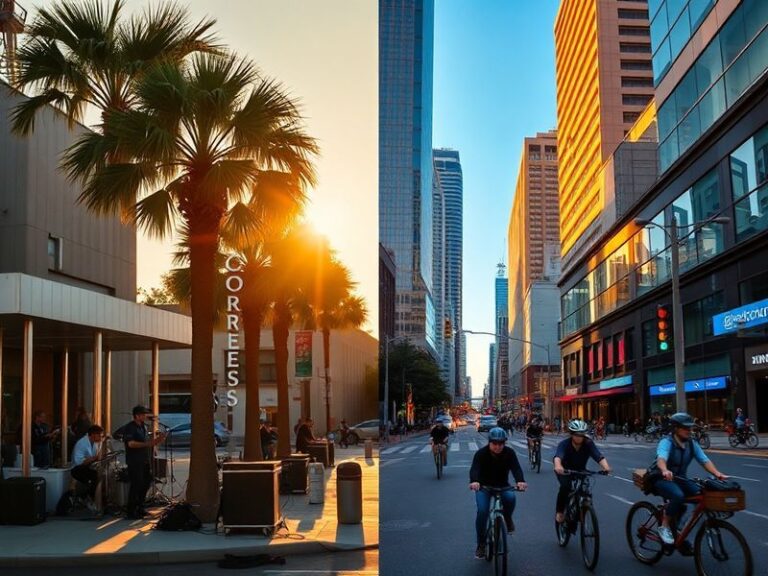
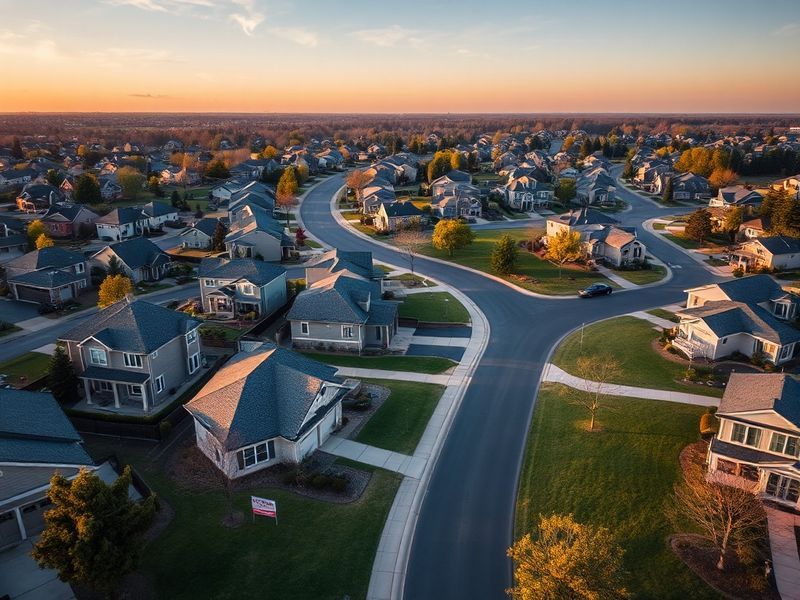
One of the most visible trends in 2024 is the continued decentralization of major cities. Remote work policies, once a temporary solution, have evolved into a permanent fixture for many industries. This has accelerated migration patterns that were already underway, with mid-sized cities and suburban areas becoming magnets for both businesses and residents.
A 2023 report from the McKinsey Global Institute highlighted that secondary markets like Nashville, Lisbon, and Auckland saw residential price growth outpace traditional hubs such as New York or London by nearly 2:1. In the United States, the Sun Belt—particularly cities like Austin, Phoenix, and Raleigh—has become the epicenter of this shift. The appeal is clear: lower costs of living, business-friendly policies, and a perceived higher quality of life.
Yet, this trend is not universal. In countries like China, where urbanization has been a cornerstone of economic policy for decades, the government is now incentivizing a return to smaller cities through programs like the “15-minute city” initiative. The goal is to revitalize rural areas while easing pressure on megacities like Shanghai and Beijing, where housing affordability remains a persistent challenge.
Climate Change and Real Estate: The New Risk Factor
Climate resilience is no longer a luxury—it’s a prerequisite. In 2024, buyers and investors are increasingly factoring in environmental risks when evaluating properties. Flood-prone coastal areas, wildfire-ravaged regions, and cities with aging infrastructure are seeing declining property values, while locations with robust climate adaptation measures are commanding premiums.
For example, in Florida, where hurricanes have long been a fact of life, insurers are now refusing coverage for homes in high-risk zones, forcing buyers to either pay exorbitant premiums or reconsider their choices. Conversely, cities like Copenhagen and Rotterdam are investing heavily in flood barriers, green roofs, and sustainable drainage systems, making them attractive destinations for eco-conscious buyers.
The shift is also cultural. A 2024 survey by the World Green Building Council found that 68% of millennials and Gen Z respondents prioritize sustainability when purchasing a home. Developers are responding with innovations like passive housing designs, solar-panel integration, and carbon-neutral building materials. In Germany, the “KfW 55” standard—where buildings must consume 55% less energy than conventional ones—has become a gold standard for new constructions.
Luxury Real Estate: A Tale of Two Markets
The luxury property market remains bifurcated in 2024. High-net-worth individuals (HNWIs) are flocking to safe-haven cities like Zurich, Singapore, and Dubai, where political stability and strong legal protections for property rights create a sense of security. Meanwhile, emerging markets in Africa and Latin America are seeing a surge in ultra-luxury developments catering to global investors seeking higher yields.
In Dubai, for instance, the government’s introduction of the “golden visa” program has lured foreign investors with promises of long-term residency in exchange for substantial real estate purchases. The result? A 20% year-over-year increase in luxury property sales in 2023, with no signs of slowing in 2024. Similarly, in Monaco, where space is at a premium, developers are turning to vertical living with skyscrapers like the recently completed Tour Odéon, which features private residences, a luxury hotel, and even a helipad.
Yet, not all luxury markets are thriving. In cities like Hong Kong and London, high property taxes and economic uncertainty have dampened demand. The once-booming prime central London market, for example, saw a 12% drop in luxury home sales in the first half of 2024 compared to the same period in 2023. The message is clear: while global elites have the means to navigate volatility, their choices are increasingly strategic and location-specific.
Demographic Shifts: Aging Populations and the Rise of Multigenerational Living
Demographic changes are reshaping housing demand in profound ways. In Japan, where over 29% of the population is aged 65 or older, the government is promoting multigenerational housing as a solution to both housing shortages and elderly care challenges. Developers are responding with homes that feature separate living spaces for grandparents, parents, and children, complete with shared kitchens and communal areas.
This trend is not limited to Asia. In the United States, the number of multigenerational households has quadrupled since the 1970s, reaching 59.7 million in 2022, according to Pew Research Center. The reasons are multifaceted: rising housing costs, cultural values that emphasize family bonds, and the need to care for aging parents while supporting adult children who struggle with student debt and stagnant wages.
Architecturally, this shift is driving innovation. Builders are incorporating features like wider doorways, single-story layouts, and smart-home technologies that cater to older adults’ needs. In Europe, countries like Italy and Spain are seeing a resurgence in traditional “casa colonica” or farmhouse-style homes, which are being renovated to accommodate extended families while preserving cultural heritage.
What’s Next for the Global Real Estate Market?
The real estate market in 2024 is a study in contrasts: thriving secondary markets alongside struggling urban centers, luxury buyers hedging against uncertainty, and demographic shifts redefining housing needs. The common thread? Adaptability. Whether it’s climate resilience, remote work flexibility, or multigenerational living, the most successful markets and projects are those that anticipate and respond to change.
For buyers and investors, the message is to look beyond short-term trends and consider the long-term viability of a property. For governments and developers, the challenge is to create housing that is not only affordable but also sustainable and inclusive. As these forces collide, the global real estate market will continue to evolve in ways that reflect the priorities and anxieties of the 21st century.