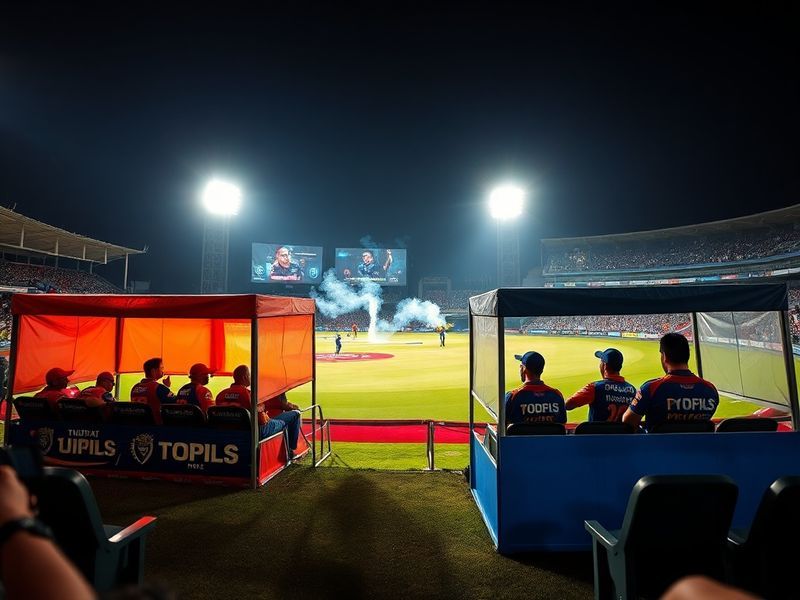
When Gujarat Titans (GT) and Royal Challengers Bangalore (RCB) step onto the field, they don’t just play a cricket match—they ignite a cultural moment. This rivalry, born in the Indian Premier League (IPL), has evolved into something far bigger than statistics or trophies. It’s a clash of cities, playing styles, and fan identities that resonates across India and beyond.
The IPL, now in its 17th season, thrives on such rivalries. GT and RCB represent distinct philosophies: one embodies the aggressive, entrepreneurial energy of Gujarat, while the other channels the tech-driven, cosmopolitan spirit of Karnataka. Their matches aren’t just games; they’re narratives that reflect the aspirations of millions.
The Origins of a Modern Rivalry
GT entered the IPL in 2022 as an expansion team, inheriting the legacy of the defunct Gujarat Lions franchise. But unlike traditional underdogs, GT made an immediate impact, winning the championship in their debut season under the leadership of Hardik Pandya. This swift rise added a new layer to the league’s competitive dynamics.
RCB, meanwhile, has been a mainstay since the IPL’s inception in 2008. Despite never winning the title, RCB’s loyal fanbase—often referred to as the “RCB Army”—has kept the franchise relevant through sheer passion. The team’s association with superstar Virat Kohli has cemented its place in cricket’s cultural lexicon.
The first GT vs RCB match took place in April 2022 at Wankhede Stadium. GT won by 6 wickets, but the real story was the crowd’s reaction. Mumbai, a city known for its cricketing pedigree, erupted in support of the new challengers, signaling that GT was more than just an expansion team—it was a team with a mission.
Cultural Clash: Gujarat’s Ambition vs Karnataka’s Innovation
This rivalry isn’t just about cricket. It’s about the contrasting identities of two of India’s most economically vibrant states. Gujarat, with its business-first approach, is home to industries like textiles, petrochemicals, and pharmaceuticals. The state’s cricket team, GT, embodies this ethos—structured, strategic, and unafraid to take bold risks.
Karnataka, on the other hand, is the Silicon Valley of India. Bengaluru, its capital, is a global hub for technology and innovation. RCB reflects this culture—flamboyant, experimental, and driven by star power. The team’s reliance on Kohli and other franchise players mirrors the city’s focus on individual brilliance within collaborative ecosystems.
This cultural divide plays out in the stands as well. GT matches in Ahmedabad draw crowds that blend corporate executives with local fans, reflecting the state’s diverse demographics. RCB games in Bengaluru are a mix of tech professionals, students, and families, united by their love for the team’s high-energy brand of cricket.
Fan Engagement: The Heartbeat of the Rivalry
No analysis of GT vs RCB would be complete without examining the fan experience. Both teams have cultivated unique identities that extend beyond the pitch.
- GT’s Fanbase: Known for their professionalism and organization, GT fans often stage choreographed performances, mirroring the state’s disciplined approach to business. Social media campaigns like #GTTownHall have given fans a direct line to the team, fostering a sense of ownership.
- RCB’s Fanbase: The RCB Army is synonymous with creativity. Their chants, memes, and viral moments—such as the “Kohli Ka Birthday” anthem—have turned fandom into a cultural artifact. The team’s social media presence is a masterclass in fan engagement, blending humor with passion.
When these two fanbases collide, the result is a spectacle. Matches between GT and RCB are among the most-watched IPL games globally, with viewership numbers often surpassing 10 million. The rivalry has also sparked debates on platforms like Twitter and Reddit, where fans dissect every play, trade, and decision.
The Global Perspective: How This Rivalry Resonates Worldwide
While GT vs RCB is rooted in Indian cricket, its appeal is global. The IPL’s broadcast deals reach over 200 countries, and this rivalry has become a gateway for international fans to engage with Indian culture.
In the diaspora, particularly among Indian communities in the UK, US, and Australia, GT vs RCB matches are social events. Pubs and community centers host watch parties, and the rivalry adds a layer of familiarity for expatriates navigating life abroad. For these fans, the match isn’t just about cricket—it’s a connection to home.
Social media has amplified this global reach. Clips of GT’s strategic brilliance or RCB’s explosive batting often go viral, attracting casual fans who may not follow the IPL regularly. The rivalry’s narrative—underdog vs legacy, discipline vs flair—is easy to grasp, making it accessible to newcomers.
Economic Impact: More Than Just a Game
The GT vs RCB rivalry also has tangible economic implications. For Gujarat, the IPL’s presence has boosted tourism and local businesses. Ahmedabad’s Narendra Modi Stadium, one of the world’s largest cricket venues, has become a landmark, drawing visitors from across India and beyond.
Bengaluru, already a global tech hub, benefits from RCB’s brand power. The team’s partnerships with local startups and multinational corporations highlight how sports can drive economic growth. Sponsorship deals for RCB often reflect the city’s innovation-driven economy, with tech giants and FMCG brands vying for visibility.
In 2023, a GT vs RCB match in Bengaluru generated an estimated ₹50 crore ($6 million) in economic activity for the city. From ticket sales to merchandise and hospitality, the rivalry is a revenue stream that extends far beyond broadcast rights.
What’s Next for This Rivalry?
As the IPL continues to evolve, the GT vs RCB rivalry shows no signs of slowing down. With new talents emerging and fan expectations rising, the stakes are higher than ever. GT’s dominance in the league’s early seasons has given them a psychological edge, but RCB’s resilience ensures the rivalry remains unpredictable.
For fans, the excitement lies in the unknown. Will GT’s structured approach continue to outmaneuver RCB’s star-studded lineup? Or will RCB’s raw talent and home support turn the tide? One thing is certain: when these two teams meet, the cricket isn’t just played on the field—it’s played out in the hearts of millions.
For those looking to dive deeper into the world of IPL cricket, explore our Sports section for more insights, analyses, and updates on the league’s biggest stories.
Conclusion
GT vs RCB is more than a cricket match; it’s a reflection of India’s diversity, ambition, and cultural dynamism. From the boardrooms of Gujarat to the tech parks of Bengaluru, this rivalry captures the spirit of a nation that thrives on competition and innovation. As the IPL grows, so too will the legacy of this clash, ensuring that GT and RCB remain at the forefront of cricket’s most compelling narratives.