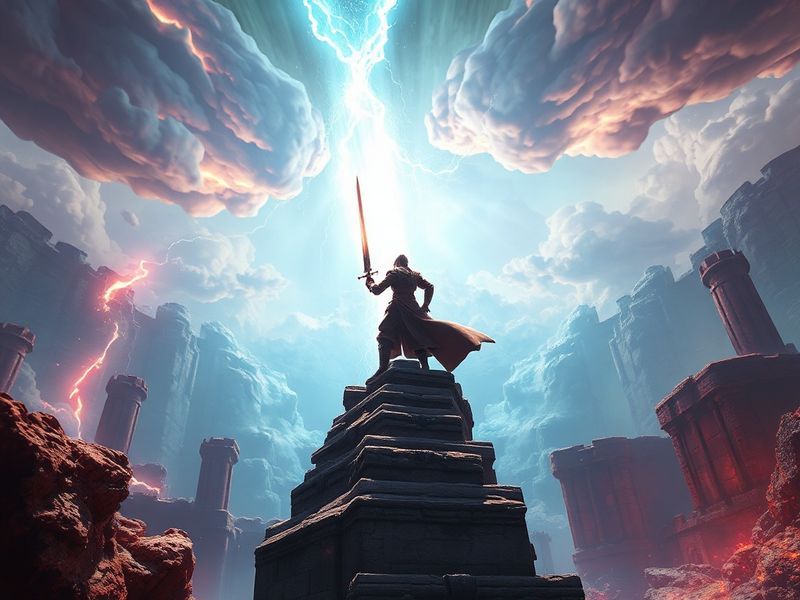
Final Fantasy XIV: A Global Phenomenon Rooted in Community and Persistence
Since its relaunch in 2013 after a disastrous 2010 debut, Final Fantasy XIV has transformed from a cautionary tale into one of gaming’s most resilient and beloved MMORPGs. Now in its fifth major expansion, Endwalker, the game stands as a testament to the power of community-driven development, cross-cultural storytelling, and the enduring appeal of Japanese role-playing traditions. More than just a game, Final Fantasy XIV has become a cultural bridge, connecting millions of players across continents through shared experiences, challenges, and triumphs.
The Origins and Reinvention of a Fallen Titan
The original release of Final Fantasy XIV in 2010 was a critical and commercial failure. Bugs plagued the launch, servers struggled under the load, and the gameplay felt outdated compared to genre leaders like World of Warcraft. Square Enix took a bold step by scrapping the original version and rebuilding the game from the ground up. Released in 2013 as A Realm Reborn, the new version retained the story and lore of the original but overhauled every other aspect—graphics, gameplay mechanics, user interface, and server infrastructure.
This reinvention wasn’t just technical. It was cultural. Square Enix listened to its community, implemented regular free updates, and treated players as partners in the game’s evolution. Unlike many MMOs that fade after launch, Final Fantasy XIV grew steadily, proving that transparency and responsiveness could foster deep loyalty. Today, the game boasts over 30 million registered players worldwide, a figure that continues to rise with each expansion.
A Living Story Spanning Continents and Cultures
Final Fantasy XIV’s narrative is one of its defining strengths. The game’s story spans multiple expansions, each building on the last with intricate world-building, character arcs, and emotional depth. At its core is the mythos of Hydaelyn and Zodiark—a cosmic struggle between light and darkness that resonates with mythological themes found across global cultures, from Norse cosmology to Japanese Shinto traditions.
The game’s localization reflects this global reach. While the original Japanese voice acting remains central, Square Enix has expanded English voice acting significantly, with expansions like Endwalker featuring full English casts for major characters. This dual-language approach allows players from Tokyo to Toronto to experience the story in their preferred language, while still engaging with the original cultural context. The result is a uniquely inclusive experience that honors its roots while embracing a worldwide audience.
The game’s community events also reflect cultural integration. Annual celebrations like the Moonfire Faire or Starlight Parade blend Japanese festival aesthetics with Western holiday traditions, creating shared moments of joy across time zones. These events aren’t just cosmetic; they reinforce social bonds and encourage cooperative play, demonstrating how digital spaces can foster real-world connections.
The Business Model That Changed the Industry
When Final Fantasy XIV relaunched in 2013, it adopted a subscription-based model with a one-time purchase for the base game and expansions sold separately. This structure was not new, but Square Enix refined it with frequent, free updates that kept the game fresh. Each major expansion—A Realm Reborn, Heavensward, Stormblood, Shadowbringers, and Endwalker—introduced new zones, classes, raids, and storylines, giving players tangible reasons to return.
The game’s monetization is transparent and player-friendly. There are no loot boxes, no pay-to-win mechanics, and no aggressive microtransactions. Instead, players invest in expansions that deliver consistent, high-quality content. This model has been so successful that it has influenced other MMOs, proving that ethical monetization can coexist with profitability.
In Japan, where mobile gaming dominates, Final Fantasy XIV has carved out a niche as a premium PC/console experience. Meanwhile, in North America and Europe, it competes directly with Western MMOs like World of Warcraft and Guild Wars 2. Its ability to thrive in such diverse markets speaks to its universal appeal and adaptability.
Cultural Impact Beyond the Screen
Final Fantasy XIV’s influence extends beyond gaming into broader cultural conversations. The game’s commitment to accessibility has made it a haven for players with disabilities. Features like colorblind modes, customizable UI layouts, and subtitles for all dialogue ensure that everyone can participate. The community itself is known for its inclusivity, with guilds and mentorship programs welcoming newcomers regardless of skill level or background.
The game has also become a platform for artistic expression. Players create fan art, cosplay, music, and even machinima using in-game tools. Streaming has played a major role in this, with personalities on platforms like Twitch and YouTube introducing Final Fantasy XIV to new audiences. Some streamers, like Asmongold and Lifestream, have built careers around the game, further solidifying its place in internet culture.
Moreover, Final Fantasy XIV has been embraced by educators and researchers. Its complex social systems, economy, and cooperative gameplay offer rich case studies in virtual communities and digital sociology. Even in academic circles, the game is recognized for fostering teamwork, leadership, and cross-cultural communication.
A Legacy of Resilience and Innovation
As Final Fantasy XIV approaches its tenth anniversary, its future looks brighter than ever. The Endwalker expansion concluded the Hydaelyn-Zodiark saga, setting the stage for a new chapter. While details remain under wraps, the community’s anticipation mirrors the excitement seen at the launch of A Realm Reborn—a cycle of reinvention and renewal.
The game’s success offers lessons for the entire gaming industry. It demonstrates that failure is not final, that communities can drive development, and that cultural sensitivity can bridge global divides. In an era where many games chase fleeting trends, Final Fantasy XIV has built something lasting—one quest, one raid, one friendship at a time.
For players old and new, the world of Eorzea remains a place of wonder, challenge, and belonging. It’s not just a game. It’s a living world that grows with its people, reflecting their hopes, struggles, and triumphs across continents and cultures.
As the game continues to evolve, one thing is certain: Final Fantasy XIV has earned its place not only in gaming history but in the broader tapestry of digital culture.
—
Why Final Fantasy XIV Stands Apart in the MMO Landscape
In a genre crowded with options, Final Fantasy XIV distinguishes itself through several key features:
- Story-Driven Design: Unlike many MMOs that prioritize gameplay over narrative, Final Fantasy XIV treats its story as a core experience. The main scenario spans over 100 hours, rivaling AAA single-player RPGs in depth and emotional impact.
- Regular, Free Updates: Between expansions, the game receives free patches every three months, adding new dungeons, raids, and events. This keeps the community engaged without forcing players to buy new content immediately.
- Cross-Platform Play: Players on PC and Mac can play together, and while console players (PS4/PS5) are on separate servers, the game’s accessibility ensures broad participation.
- Player Agency: Through the Trust system, players can experience content with AI-controlled party members, allowing solo players to enjoy high-end raids without relying on others.
- Cultural Hybridization: The game blends Eastern aesthetics with Western storytelling, creating a unique identity that appeals to a global audience.
These elements combine to create an experience that feels personal, even in a massively multiplayer setting. Whether you’re a veteran of the genre or a newcomer, Final Fantasy XIV offers a welcoming world where every player can find their place.