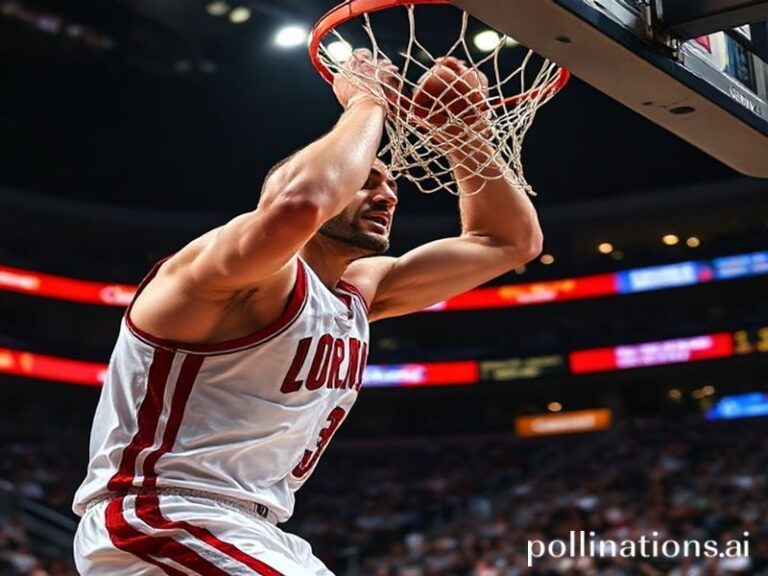
Jerry West: The Logo Who Defined Basketball’s Legacy
“`html
Jerry West: The Logo Who Shaped Basketball’s Identity
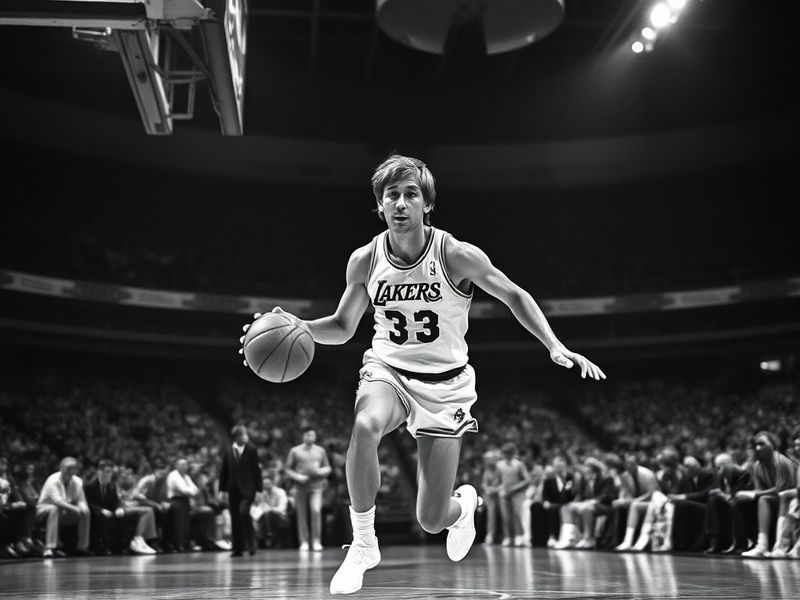
The silhouette of a basketball player mid-dribble has become one of the most recognizable logos in sports history. Few realize that this iconic silhouette belongs to Jerry West, a man whose legacy extends far beyond his playing days. As a Hall of Fame player, executive, and architect of multiple NBA dynasties, West’s influence on basketball is woven into the fabric of the game itself.
The Early Years: From Cheylan to Basketball Greatness
Born on May 28, 1938, in Cheylan, West Virginia, Jerry West grew up in a coal mining town with limited opportunities. Basketball became his escape. Standing at 6’2″, he wasn’t the tallest player on the court, but his relentless work ethic and competitive fire set him apart. By the time he reached college at West Virginia University, his reputation as a clutch performer had already taken shape.
West led the Mountaineers to the 1959 NCAA championship game, where they fell to California. Despite the loss, his performance—averaging 26.6 points and 12.3 rebounds per game—earned him the tournament’s Most Outstanding Player award. The NBA took notice immediately, and the Minneapolis Lakers selected him with the second overall pick in the 1960 draft.
A Playing Career Defined by Excellence
West spent his entire 14-year playing career with the Los Angeles Lakers, forming one of the most dynamic duos in NBA history with Elgin Baylor. Together, they led the Lakers to nine NBA Finals appearances in the 1960s. Though they fell short against the Boston Celtics multiple times, their battles became the stuff of legend, with West often delivering in critical moments.
His nickname, “The Logo,” originated in 1969 when the NBA used his silhouette for its official emblem. The design captured the essence of a player in motion—precision, grace, and determination. That same year, West cemented his place in history by winning Finals MVP despite his team’s loss to the Celtics. It remains the only time a player from the losing team earned the award.
- Nine NBA Finals appearances with the Lakers in the 1960s
- 10-time NBA All-Star, including nine consecutive selections
- NBA champion in 1972, the only title of his playing career
- Scoring champion in 1970 with a career-high 31.2 points per game
- Olympic gold medalist as a member of the 1960 U.S. basketball team
Transition to Leadership: Architect of the Showtime Era
After retiring in 1974, West seamlessly transitioned into a front-office role. He joined the Lakers as a scout and later became the team’s general manager in 1982. His vision and fearlessness in making bold personnel decisions reshaped the franchise.
West orchestrated the blockbuster trade that brought Wilt Chamberlain to the Lakers in 1968, a move that extended his playing career and solidified the team’s dominance. As an executive, he played a pivotal role in assembling the “Showtime” Lakers of the 1980s, a team renowned for its fast-paced, high-scoring style. His ability to identify and nurture talent became his trademark.
Among his most notable contributions was the 1979 draft, where he selected Magic Johnson with the first overall pick. Johnson’s arrival, combined with Kareem Abdul-Jabbar and coach Pat Riley, created a dynasty that won five NBA championships in the 1980s. West’s influence extended beyond the Lakers, as he later shaped the fortunes of the Golden State Warriors and the Houston Rockets as an executive.
The Art of Talent Evaluation
West’s success as a general manager wasn’t just about acquiring stars; it was about understanding the chemistry of a team. He prioritized players who fit the system, possessed high basketball IQ, and could elevate the performance of their teammates. This philosophy became a blueprint for modern NBA front offices.
His tenure with the Warriors saw the rise of Stephen Curry, a player initially overlooked by many scouts due to his size. West’s belief in Curry’s shooting ability and leadership helped transform the Warriors into a championship contender. Similarly, his work with the Rockets included drafting Hakeem Olajuwon, who became one of the greatest centers in NBA history.
Legacy and Impact: Beyond the Logo
Jerry West’s influence on basketball transcends statistics and championships. He redefined what it meant to be a leader, both on and off the court. His relentless pursuit of excellence set a standard for future generations of players and executives alike.
In 2011, the NBA introduced the Jerry West Award, given annually to the top college basketball shooting guard. The award honors not only skill but also the intangibles that West embodied—work ethic, competitiveness, and leadership. It serves as a reminder of the man behind the silhouette.
West’s story also highlights the importance of adaptability. Whether as a player, executive, or advisor, he evolved with the game, embracing new strategies and technologies to stay ahead. His willingness to take risks, such as trading for aging stars or drafting unconventional players, often paid off in ways others couldn’t foresee.
Lessons from a Legend
For aspiring athletes and executives, West’s career offers several key takeaways. First, success is not solely determined by physical gifts but by mental toughness and preparation. Second, leadership requires a willingness to make unpopular decisions and trust in the process. Finally, legacy is built not on individual accolades but on the impact one has on others.
West’s journey from a small coal town to the pinnacle of basketball is a testament to perseverance. His story resonates with anyone striving to overcome obstacles and achieve greatness, regardless of their field.
Even today, at 85 years old, West remains involved in the game he loves. His insights and perspectives continue to shape the NBA, proving that his influence is as enduring as the logo he inspired.
For fans looking to explore more about the evolution of basketball and its greatest figures, check out our Sports category on Dave’s Locker. To dive deeper into the stories behind iconic athletes and their impact, visit our Analysis section.