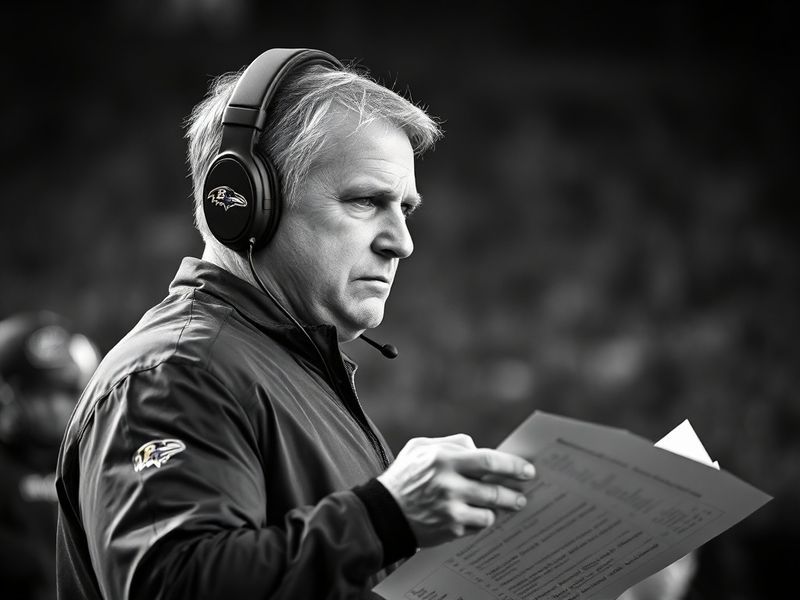
The Baltimore Ravens have long been defined by their defensive identity, but the role of the head coach has been just as critical in shaping the franchise’s identity. Over the years, the Ravens have seen coaches who brought different philosophies, leadership styles, and strategic innovations to the organization. Each coach left a unique imprint on the team, influencing everything from game-day decisions to long-term culture. The Ravens’ coaching history reflects a commitment to excellence, adaptability, and a relentless pursuit of success.
As the Ravens continue to evolve, the expectations for their head coach remain high. The position demands not only tactical acumen but also the ability to manage personalities, foster leadership within the locker room, and navigate the pressures of a high-stakes franchise. Whether through defensive masterminds or offensive innovators, the Ravens’ coaching staff has consistently set the standard for what it means to lead in the NFL.
The Evolution of Ravens Coaching: From Legacy to Modern Era
The Ravens’ coaching lineage is rich with success, beginning with Ted Marchibroda, the franchise’s first head coach in 1996. Marchibroda laid the groundwork for the Ravens’ identity, emphasizing a balanced approach. While his tenure didn’t yield immediate playoff success, it set the stage for the arrival of Brian Billick in 1999, who would become synonymous with the Ravens’ first Super Bowl victory in 2000.
Billick’s tenure was marked by offensive innovation and a willingness to adapt. His ability to maximize the talents of players like Tony Banks and later Trent Dilfer proved pivotal in the Ravens’ championship run. The 2000 season remains a defining moment in Ravens history, with Billick’s leadership steering the team through a dominant playoff run. His offensive schemes, though not as flashy as some of today’s systems, were built on efficiency and execution—hallmarks of the Ravens’ approach.
Following Billick, John Harbaugh took over in 2008 and has since become the face of the franchise. Harbaugh’s tenure has been defined by consistency, resilience, and an uncanny ability to develop talent. His partnership with general manager Ozzie Newsome created one of the NFL’s most stable front offices, allowing the Ravens to build competitive teams year after year.
Key Coaching Eras in Ravens History
- Ted Marchibroda (1996-1998): Laid the foundation for the Ravens’ franchise. Focused on building a balanced team with an emphasis on defense.
- Brian Billick (1999-2007): Led the Ravens to their first Super Bowl victory in 2000. Known for offensive innovation and playoff success.
- John Harbaugh (2008-Present): The longest-tenured Ravens coach, with multiple playoff appearances and a Super Bowl win in 2012. Built a culture of accountability and player development.
John Harbaugh: The Architect of Ravens Longevity
John Harbaugh’s tenure as Ravens head coach is a masterclass in leadership and adaptability. Since taking over in 2008, Harbaugh has guided the Ravens to 10 playoff appearances, two AFC Championship games, and a Super Bowl victory in 2012. His ability to navigate the complexities of the NFL—whether through roster turnover, rule changes, or shifting competitive landscapes—has cemented his legacy as one of the league’s most respected coaches.
Harbaugh’s coaching style is often described as disciplined and detail-oriented. He fosters an environment where preparation meets execution, ensuring that the Ravens are always prepared for the challenges of the regular season and playoffs. His relationship with players, from veterans like Ray Lewis and Ed Reed to younger stars like Lamar Jackson, highlights his ability to connect with athletes across generations.
One of Harbaugh’s defining traits is his willingness to evolve. While he initially gained prominence for his defensive acumen, he has adapted his offensive schemes to leverage the strengths of his roster. The transition to a Lamar Jackson-led offense in recent years showcased his flexibility, proving that he is not bound by tradition but rather committed to finding the best way to win.
Harbaugh’s Coaching Philosophy
- Defensive Foundation: Emphasizes a strong defensive identity, prioritizing physicality and situational awareness.
- Player Development: Focuses on maximizing the potential of each player, regardless of draft position or experience.
- Adaptability: Willingness to adjust offensive and defensive schemes based on roster composition and opponent strengths.
- Culture of Accountability: Creates an environment where players are held responsible for their roles and contributions.
What It Takes to Succeed as Ravens Coach
Coaching the Ravens is not just about Xs and Os; it’s about managing the expectations of a passionate fanbase and navigating the pressures of a high-stakes organization. The Ravens’ front office, led by executive vice president and general manager Eric DeCosta, has a clear vision for the team’s future. This means the head coach must align with the franchise’s values while also bringing their own leadership style to the table.
The Ravens’ defensive identity is a cornerstone of their success, and any coach stepping into the role must prioritize this aspect. Whether through a traditional 3-4 scheme or a hybrid approach, the Ravens’ defense has consistently ranked among the NFL’s best. Coaches must also be adept at developing young talent, as the Ravens have a history of drafting and nurturing players who become key contributors.
The Ravens’ quarterback situation has also played a significant role in recent years. The transition from Joe Flacco to Lamar Jackson marked a turning point in the franchise’s history, and the coaching staff had to adapt accordingly. A coach’s ability to maximize the strengths of their quarterback—whether through a pocket passer or a mobile dual-threat—is critical to the Ravens’ success.
Essential Traits for a Ravens Coach
- Defensive Mindset: A strong understanding of defensive schemes and the ability to implement a system that maximizes player strengths.
- Leadership: The ability to manage egos, foster team chemistry, and lead by example.
- Adaptability: Flexibility to adjust strategies based on roster changes, rule modifications, and opponent tendencies.
- Player Development: A commitment to developing young talent and integrating rookies into the team’s culture.
- Presence: The ability to command respect in the locker room and represent the franchise with professionalism.
The Future of Ravens Coaching: What Lies Ahead
As John Harbaugh approaches the later stages of his career, the Ravens’ front office faces a critical decision: whether to continue his legacy or usher in a new era of leadership. The Ravens have a history of stability under Harbaugh, but the NFL is a league of constant evolution. The next coach will inherit a roster built for success, with a core of players like Lamar Jackson, Justin Tucker, and Roquan Smith leading the way.
The Ravens’ commitment to excellence means that the next head coach must be prepared to meet the high standards set by Harbaugh and his predecessors. Whether the franchise opts for an internal promotion, such as offensive coordinator Greg Roman or defensive coordinator Zach Orr, or pursues an external hire, the Ravens will prioritize a coach who aligns with their culture and vision for the future.
The Ravens’ coaching search will also be influenced by the NFL’s shifting landscape. The league’s emphasis on passing offenses and defensive adaptability means the next coach must be prepared to navigate these trends while staying true to the Ravens’ defensive identity. The ability to innovate within a structured system will be key to sustained success.
Regardless of who takes the helm, the Ravens’ coaching future is bright. The franchise’s commitment to building a winning culture ensures that the next leader will have the tools to succeed. The Ravens have always been a team that values preparation, discipline, and excellence—and those principles will continue to define their coaching legacy.
The Ravens’ coaching history is a testament to the importance of leadership in the NFL. From Ted Marchibroda’s early days to John Harbaugh’s Super Bowl triumphs, each coach has left an indelible mark on the franchise. As the Ravens look to the future, they do so with the confidence that their next leader will uphold the standards of excellence that have defined Baltimore football for decades.