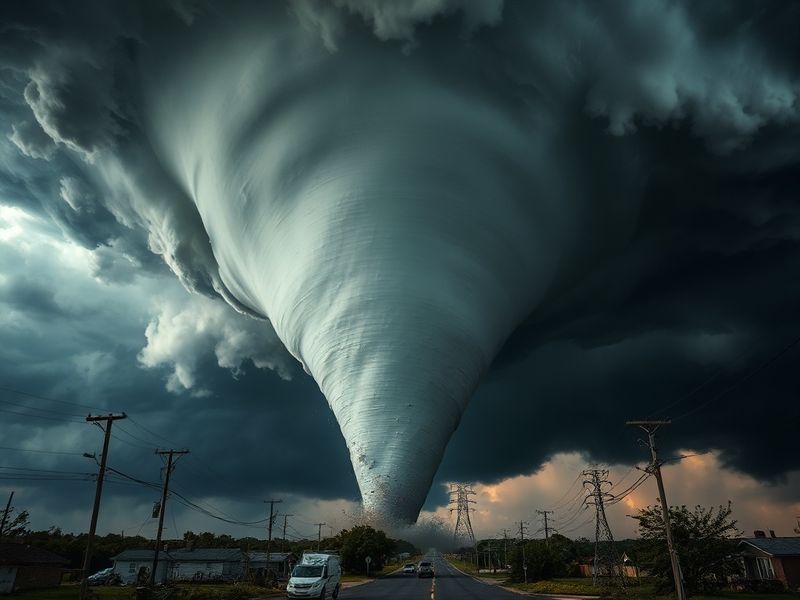
Kansas City sits at the crossroads of tornado alley, a region where geography and weather patterns collide to create some of the most violent storms on Earth. The city’s location in the central United States places it directly in the path of frequent tornado activity, particularly during the spring and early summer months. While tornadoes are a natural part of the region’s climate, their impact extends beyond mere weather events—they shape infrastructure, influence culture, and even define community resilience.
Globally, tornadoes occur most frequently in the United States, with an average of over 1,000 reported annually. Kansas City’s position near the convergence of warm, moist air from the Gulf of Mexico and cool, dry air from the Rockies makes it particularly susceptible. The city has witnessed some of the most destructive tornadoes in U.S. history, including the 2011 Joplin tornado, which, though centered southwest of Kansas City, sent ripples of preparedness and caution through the metro area. Understanding these storms requires more than just meteorological knowledge; it demands a cultural and historical lens to appreciate their role in shaping the region.
The Science Behind Kansas City’s Tornado Risk
Tornadoes form when specific atmospheric conditions align: instability, moisture, wind shear, and a triggering mechanism like a cold front. Kansas City’s proximity to the Ozark Plateau and its position east of the Great Plains contribute to the necessary ingredients for tornado development. The region’s flat terrain allows storms to organize without obstruction, while the urban heat island effect of Kansas City can sometimes enhance low-level moisture and instability.
Meteorologists classify tornadoes using the Enhanced Fujita Scale (EF-0 to EF-5), which measures damage to estimate wind speeds. In Kansas City, the majority of tornadoes fall into the EF-0 to EF-2 range, though stronger twisters, like the EF-4 that struck nearby Greensburg, Kansas, in 2007, serve as stark reminders of the region’s vulnerability. The National Weather Service’s Kansas City/Pleasant Hill office plays a critical role in monitoring these storms, issuing warnings with increasing accuracy thanks to advances in radar technology and storm-tracking models.
Historical data from the Storm Prediction Center reveals that Kansas City averages about 10 tornadoes per year, though the actual number can vary widely. The most active periods typically span from March to June, with a secondary peak in the fall. These storms are not just random events; they are part of a larger pattern of severe weather that defines the Midwest’s identity. For residents, this means a constant state of vigilance—a balance between respecting the power of nature and adapting to its inevitability.
A Cultural Perspective: Tornadoes in Kansas City’s Identity
Tornadoes are woven into the cultural fabric of Kansas City, influencing everything from architecture to local folklore. The city’s skyline, dotted with sturdy brick buildings and reinforced structures, reflects a long-standing awareness of the need for tornado-resistant design. Meanwhile, the region’s culinary traditions, like the hearty comfort foods served in local diners, offer a sense of normalcy amid the chaos of storm season. Tornadoes have even inspired art, music, and literature, with local artists often depicting the raw power of these storms in their work.
One of the most enduring cultural symbols in Kansas City is the annual Tornado Drill held in schools and public buildings. This event, which simulates a tornado warning, serves as a reminder of the region’s shared history with these storms. It also highlights the community’s resilience—a trait that has been tested time and again. For example, the 2003 tornado that struck downtown Kansas City, damaging buildings like the historic Union Station, became a turning point for both infrastructure improvements and public awareness campaigns.
Globally, tornadoes often evoke a sense of awe and fear, but in Kansas City, they are seen as a shared experience. Stories of neighbors helping neighbors during and after storms are common, reinforcing the idea that tornadoes, while destructive, also bring people together. This communal response is a testament to the region’s character—a blend of hardiness and hospitality that defines the Midwest.
Preparedness and Response: How Kansas City Adapts
Living in tornado alley requires a proactive approach to preparedness. Kansas City has implemented several strategies to mitigate the impact of these storms, from early warning systems to community education programs. The city’s emergency management agency works closely with local media to disseminate information quickly, often using social media and mobile alerts to reach residents in real time. Schools and businesses conduct regular tornado drills, ensuring that everyone knows the difference between a watch and a warning.
One of the most significant advancements in tornado preparedness has been the development of mobile storm-chasing technology. Groups like the local chapter of the Community Emergency Response Team (CERT) train volunteers to assist during severe weather events, providing critical support to first responders. These efforts are complemented by public awareness campaigns, such as the “Ready in 3” initiative, which encourages residents to prepare emergency kits, identify safe rooms, and stay informed through multiple channels.
Despite these efforts, challenges remain. Urban sprawl has expanded the city’s footprint, increasing the potential for damage and complicating evacuation routes. Additionally, the psychological toll of living under the constant threat of tornadoes cannot be underestimated. Studies have shown that residents in tornado-prone areas often experience heightened anxiety during storm season, particularly those who have lived through major events. Mental health professionals in Kansas City have noted an increase in stress-related conditions during peak tornado months, underscoring the need for holistic preparedness that includes emotional support.
Lessons from Around the World: Tornadoes Beyond the Heartland
While Kansas City’s tornadoes are a defining feature of the region, they are part of a global phenomenon that affects countries like Bangladesh, Argentina, and South Africa. In Bangladesh, tornadoes are often deadlier due to high population density and limited warning systems, with storms in the 1980s and 1990s claiming thousands of lives. Meanwhile, in Argentina, the Pampas region experiences frequent tornadoes, though they are less intense than those in the U.S. These international examples highlight the importance of tailored preparedness strategies that account for local infrastructure, resources, and cultural attitudes.
Comparing Kansas City’s approach to tornado preparedness with that of other regions reveals both similarities and differences. For instance, while the U.S. relies heavily on advanced radar and warning systems, countries like Japan prioritize community-based drills and public education. The Netherlands, which also experiences tornadoes, has adopted a unique approach by integrating tornado awareness into school curricula from an early age. These global perspectives offer valuable insights that could enhance Kansas City’s own strategies, particularly in addressing the psychological and social dimensions of tornado preparedness.
One area where Kansas City could learn from international examples is in post-disaster recovery. In the aftermath of a major tornado, the city’s ability to rebuild and restore normalcy quickly is a testament to its resilience. However, global case studies suggest that involving affected communities in the recovery process—rather than imposing top-down solutions—can lead to more sustainable outcomes. This approach not only fosters a sense of ownership but also strengthens social cohesion, a critical factor in long-term recovery.
Key Takeaways for Kansas City Residents
Living in a tornado-prone region like Kansas City requires a combination of vigilance, preparation, and community support. Here are some actionable steps residents can take to stay safe and informed:
- Stay Informed: Sign up for local weather alerts and monitor updates from the National Weather Service. Apps like Weather Underground and RadarScope provide real-time data and radar imagery.
- Prepare an Emergency Kit: Include essentials like water, non-perishable food, a flashlight, batteries, a first-aid kit, and copies of important documents. Don’t forget medications and supplies for pets.
- Identify Safe Spaces: Know where to shelter during a tornado—ideally, a basement or an interior room on the lowest floor of a sturdy building. Avoid windows and cover yourself with a mattress or heavy blankets for protection.
- Develop a Family Plan: Ensure everyone in your household knows the plan for communication and evacuation. Practice tornado drills regularly, especially with children.
- Support Local Efforts: Get involved with community preparedness programs, such as CERT or local emergency response teams. Volunteering not only helps your neighbors but also strengthens the city’s overall resilience.
Conclusion: Embracing Resilience in the Face of Nature’s Power
Tornadoes are an inescapable part of life in Kansas City, but they do not define the city’s spirit. Instead, they serve as a reminder of the region’s resilience—a quality that has been honed over generations. From the scientists tracking storms to the neighbors checking on one another, the response to tornadoes in Kansas City is a testament to the power of community and preparation.
As climate change continues to influence weather patterns, the frequency and intensity of tornadoes may shift. For Kansas City, this means staying adaptable, investing in innovative technologies, and fostering a culture of readiness. The storms will come, but so will the people who rise to meet them—just as they always have.
For those who call Kansas City home, tornadoes are more than just a weather phenomenon; they are a part of the city’s story. And like any great story, it is one of challenge, adaptation, and ultimately, resilience.