Max Iheanachor: Bridging Cultures Through Art and Activism
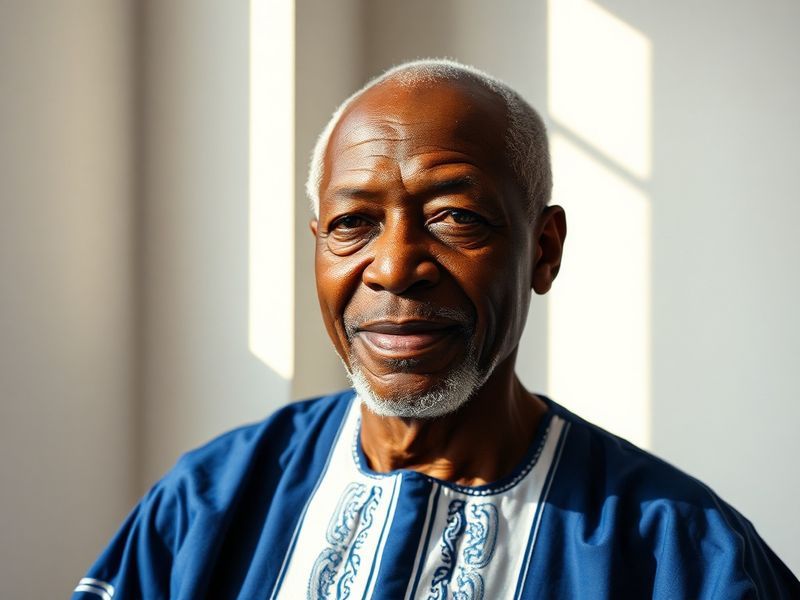
Max Iheanachor has emerged as a compelling voice at the intersection of contemporary art and social justice. Born in Nigeria and raised in the United Kingdom, his work reflects a dual heritage that informs his creative and activist pursuits. Through vibrant paintings, multimedia installations, and community-driven projects, Iheanachor challenges viewers to confront issues of identity, migration, and systemic inequality. His art doesn’t just adorn walls; it provokes conversations and demands action.
At just 28 years old, Iheanachor has already exhibited in galleries across Europe and Africa. His rapid rise is not merely a testament to his talent but also to the global hunger for art that transcends borders. In a time when cultural exchange is often politicized, his work offers a nuanced perspective—one that celebrates hybridity without erasing individual roots. This duality is central to his appeal, drawing comparisons to other boundary-pushing artists like Njideka Akunyili Crosby and Yinka Shonibare.
The Artistic Journey: From Lagos to London
Iheanachor’s artistic journey began in Lagos, where he spent his formative years immersed in the city’s dynamic art scene. The bustling markets, colonial architecture, and vibrant street life became recurring motifs in his early sketches. By the time he moved to London for university, his style had already begun to crystallize—a fusion of African textures and European modernism. This blend is evident in works like Crossroads, a large-scale painting that juxtaposes Lagosian market stalls with London Underground signage.
His time in the UK further refined his approach. Studying fine art at Central Saint Martins, Iheanachor was exposed to avant-garde techniques while remaining grounded in his Nigerian identity. This period of dual influence is reflected in his use of mixed media. Many of his pieces incorporate fabrics, photographs, and found objects, creating layers that mirror the complexity of cultural identity. It’s a method that resonates deeply in today’s globalized world, where diasporic experiences are increasingly common.
Notably, Iheanachor’s work is not confined to galleries. He has collaborated with grassroots organizations to create public art projects in underserved communities. One such initiative, Walls of Hope, transformed a decaying housing estate in Peckham into a canvas for local stories. The project engaged residents in the creative process, ensuring that the art reflected their lived experiences rather than an outsider’s interpretation.
Activism as Art: Challenging Systems of Power
For Iheanachor, activism is not an afterthought—it’s a core component of his practice. His art frequently addresses themes of displacement, racism, and economic disparity, often drawing direct inspiration from real-world events. Take, for example, his series Fleeting Homes, which responds to the global refugee crisis. Each piece in the collection reimagines traditional African dwellings as fragile, temporary structures, symbolizing the precariousness of migration.
One of his most striking pieces, Weight of the Crown, critiques the legacy of colonialism. The work features a life-sized sculpture of a Nigerian king seated on a throne made of discarded British colonial flags. The juxtaposition is deliberate: the king appears regal yet burdened, his posture suggesting both authority and oppression. The piece was displayed at the 2023 Lagos Biennial, where it sparked discussions about restitution and historical accountability.
Iheanachor’s activism extends beyond his artwork. He has organized workshops in schools and community centers, using art as a tool for social change. His belief is simple: creativity can be a catalyst for empathy. In interviews, he often emphasizes that art doesn’t have to be didactic to be impactful. Instead, it can invite viewers to see the world through a different lens—one that acknowledges both beauty and struggle.
Global Recognition and Future Aspirations
The international art world has taken notice. In 2022, Iheanachor was shortlisted for the Future Generation Art Prize, a prestigious award recognizing emerging artists under 35. His inclusion in the shortlist was a milestone, not just for his career but for the broader conversation about African art on the global stage. Critics have praised his ability to navigate multiple cultural contexts without diluting his message, a skill that sets him apart in an era where authenticity is often commodified.
Looking ahead, Iheanachor has ambitious plans. He is currently developing a new body of work that explores the intersection of technology and tradition, particularly the role of AI in preserving indigenous knowledge. The project, titled Digital Griots, will debut in a solo exhibition in Berlin next year. In addition, he is co-founding an arts collective that will provide mentorship to young artists from marginalized backgrounds. The collective aims to create a pipeline for underrepresented voices in the art world, ensuring that the next generation has the resources to thrive.
Despite his success, Iheanachor remains grounded. In a recent interview, he described his work as a “bridge between worlds”—a phrase that encapsulates his entire artistic philosophy. For him, art is not just about self-expression but about fostering connections. Whether through a painting, a sculpture, or a community project, he seeks to create spaces where dialogue can flourish.
The Broader Impact: Why Iheanachor Matters
In an era where cultural narratives are often controlled by dominant powers, artists like Max Iheanachor are essential. His work reminds us that art can be both a mirror and a window—reflecting the complexities of identity while offering glimpses into other realities. This dual function is particularly important in today’s polarized world, where misinformation and cultural erasure are rampant.
Iheanachor’s rise also reflects a broader trend in contemporary art: the blurring of lines between disciplines. Increasingly, artists are merging visual art, performance, and digital media to create immersive experiences. His multimedia approach aligns with this evolution, positioning him as a key figure in the next wave of global artists. Yet, what truly distinguishes him is his commitment to social responsibility. In an industry often criticized for its elitism, Iheanachor’s work is accessible, inclusive, and unapologetically political.
The impact of his art is perhaps best measured not in sales or awards but in the conversations it sparks. In schools, community centers, and even corporate boardrooms, his pieces have become catalysts for discussions about race, migration, and justice. This ripple effect underscores the power of art to transcend its physical form and become a force for change.
A Look Ahead: What’s Next for Max Iheanachor?
As Iheanachor continues to expand his reach, all eyes are on his upcoming projects. The Digital Griots exhibition promises to push boundaries, blending traditional African storytelling with cutting-edge technology. Meanwhile, his work with the arts collective will likely produce new collaborations that amplify underrepresented voices. For those who follow his career, the trajectory is clear: Iheanachor is not just an artist to watch—he is an artist to engage with, question, and learn from.
In many ways, his journey mirrors the experiences of millions of people around the world. Born between cultures, navigating multiple identities, and striving to make sense of a complex world, Iheanachor’s art offers a blueprint for how to turn personal and collective struggles into something meaningful. Whether through a brushstroke, a sculpture, or a community project, he reminds us that creativity is not just an escape but a tool for transformation.