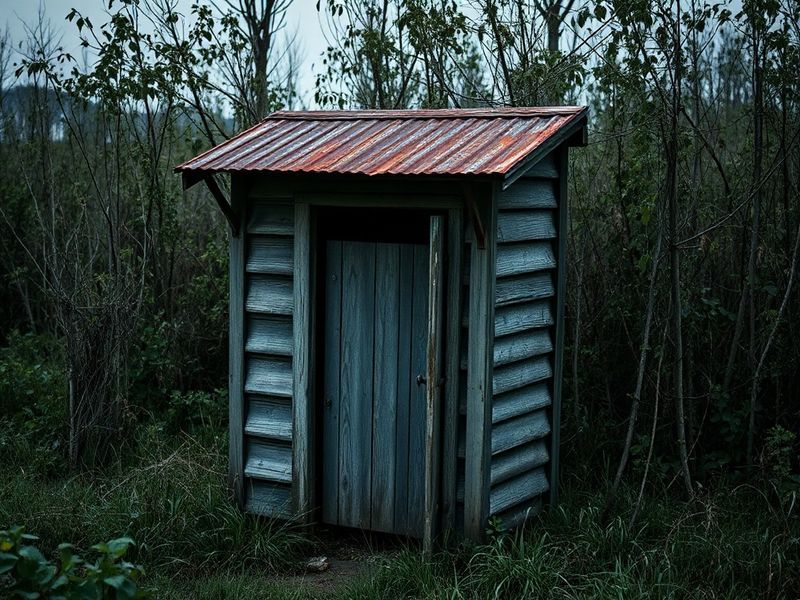
The long drop toilet remains one of the most enduring and practical sanitation solutions, particularly in remote areas, off-grid properties, and developing regions. Unlike conventional flush toilets, these systems rely on simple gravity and natural decomposition to manage waste. Their design has evolved over centuries, yet they continue to serve millions where modern plumbing is unavailable.
While often associated with rural or primitive settings, long drop toilets have seen a resurgence in sustainable living and eco-friendly design. This article explores their historical roots, functional mechanics, regional adaptations, and modern relevance in a world increasingly focused on environmental responsibility.
The Origins and Evolution of the Long Drop Toilet
The concept of the long drop toilet dates back to early human settlements, where waste management was a matter of survival. Archaeologists have uncovered evidence of pit latrines in ancient Mesopotamia and the Indus Valley, dating as far back as 3000 BCE. These early systems were little more than deep holes dug into the ground, often lined with bricks or stones to prevent collapse.
By the medieval period in Europe, long drop toilets—often called garderobes—were common in castles and monasteries. Waste would drop directly into moats or cesspits, sometimes causing sanitation issues during sieges or overcrowding. In rural areas, families often used simple wooden outhouses over deep pits, a practice that persisted well into the 19th century.
Indigenous cultures around the world developed their own versions of the long drop system. In New Zealand, Māori used whare paku, outdoor latrines built over streams or gullies. Native American tribes employed similar structures, positioning them away from living areas and water sources to prevent contamination.
- Ancient Mesopotamia (3000 BCE): Brick-lined pits in urban centers.
- Medieval Europe (500–1500 CE): Wooden garderobes over moats or pits.
- Māori New Zealand: Whare paku over running water for dilution.
- 19th-Century Rural America: Simple wooden outhouses with deep pits.
How Long Drop Toilets Work: Mechanics and Maintenance
A long drop toilet operates on a straightforward principle: waste falls through a vertical drop pipe into a deep, sealed pit. The distance of the drop—typically 3 to 6 meters—ensures that solids and liquids separate partially, with solids settling at the bottom. Over time, anaerobic bacteria break down organic matter, reducing volume and odor.
Maintenance varies depending on usage and climate. In temperate regions, pits may need emptying every 5–10 years using a vacuum tanker. In drier climates, decomposition slows, requiring more frequent servicing. Some systems incorporate ventilation pipes to reduce odors and flies, a critical feature in tropical environments where insect-borne diseases are a concern.
One of the key advantages of long drop toilets is their low water usage—ideally zero, though some modern designs use minimal water for flushing solids into the pit. This makes them ideal for water-scarce regions, such as parts of Australia, sub-Saharan Africa, and the American Southwest.
However, improper construction can lead to groundwater contamination. The World Health Organization recommends that pits be located at least 30 meters from water sources and that the bottom of the pit remain at least 1.5 meters above the water table. In flood-prone areas, concrete-lined pits or elevated structures are essential to prevent waste from leaching into the environment.
Regional Variations: From Outback to Urban Slums
Long drop toilets are not a one-size-fits-all solution. Their design adapts to geography, climate, and cultural norms. In Australia’s Outback, where water is scarce and soil is rocky, long drop toilets often feature corrugated iron or steel structures elevated on stumps to prevent flooding. These toilets are commonly found at roadside rest stops and cattle stations.
In parts of rural India and Bangladesh, where open defecation was once widespread, government initiatives have promoted improved pit latrines. These designs include a small superstructure for privacy, a ventilation pipe to reduce odors, and a reinforced pit to prevent collapse. The UN’s Sustainable Development Goal 6 aims to provide universal access to sanitation by 2030, with long drop toilets playing a key role in rural areas.
In contrast, urban slums and informal settlements often use long drop toilets in multi-story buildings. In Nairobi’s Kibera slum, for example, residents share communal long drop toilets, which are emptied periodically by private contractors. However, poor maintenance and overuse can lead to overflow and health hazards, highlighting the need for community management and government oversight.
In developed nations, long drop toilets are increasingly seen as a sustainable alternative in eco-villages and off-grid homes. Designs now incorporate composting systems, urine-diverting toilets, and solar-powered ventilation. These modern adaptations reduce odor, accelerate decomposition, and even produce nutrient-rich compost for gardening.
Case Study: The Composting Long Drop in New Zealand
In New Zealand’s eco-communities, long drop toilets have been reimagined as composting systems. These designs separate urine from feces, as urine contains high levels of nitrogen that can inhibit composting. Feces are mixed with wood shavings or sawdust to absorb moisture and reduce odor. After 1–2 years, the resulting compost is safe to use in non-edible gardens.
Such systems align with New Zealand’s strong environmental policies and the country’s commitment to reducing landfill waste. They also reflect a cultural shift toward self-sufficiency and ecological responsibility.
Challenges and Future Prospects
Despite their simplicity, long drop toilets face several challenges. In densely populated areas, space constraints make deep pits impractical. Where groundwater is high or soil is unstable, pits can collapse or contaminate water supplies. Cultural stigma also plays a role—many communities associate long drop toilets with poverty, leading to resistance even in areas where they are the most viable option.
Yet, innovations are emerging to address these issues. Prefabricated fiberglass or polyethylene tanks can replace traditional pits, reducing the risk of leakage. Some systems now include biofilters to treat leachate before it enters the soil. In regions with high water tables, aboveground composting toilets offer a safer alternative.
Technology is also playing a role in monitoring long drop toilets. IoT sensors can track pit fill levels, alerting maintenance teams when emptying is required. This data-driven approach improves efficiency and reduces the environmental impact of waste collection.
As climate change intensifies droughts and water shortages, the long drop toilet’s relevance is likely to grow. Governments and NGOs are increasingly investing in sanitation solutions that prioritize water conservation and resilience. In this context, the long drop toilet is not just a relic of the past—it is a forward-thinking choice for sustainable living.
Conclusion: A Timeless Solution for Modern Challenges
The long drop toilet is a testament to human ingenuity in the face of environmental and technological constraints. From ancient castles to modern eco-villages, its design has adapted to meet the needs of diverse communities. While it may never replace high-tech sanitation systems in urban centers, its simplicity, low cost, and minimal environmental impact make it an invaluable tool in the global fight for clean water and sanitation.
For those considering off-grid living or sustainable development, the long drop toilet offers a reliable and eco-friendly alternative. With proper design, maintenance, and community engagement, it can provide dignified sanitation without the need for complex infrastructure. In a world grappling with climate change and resource scarcity, the long drop toilet stands as a quiet but powerful example of how traditional solutions can meet modern challenges.
For more insights into sustainable living solutions, explore our Technology and Environment categories.