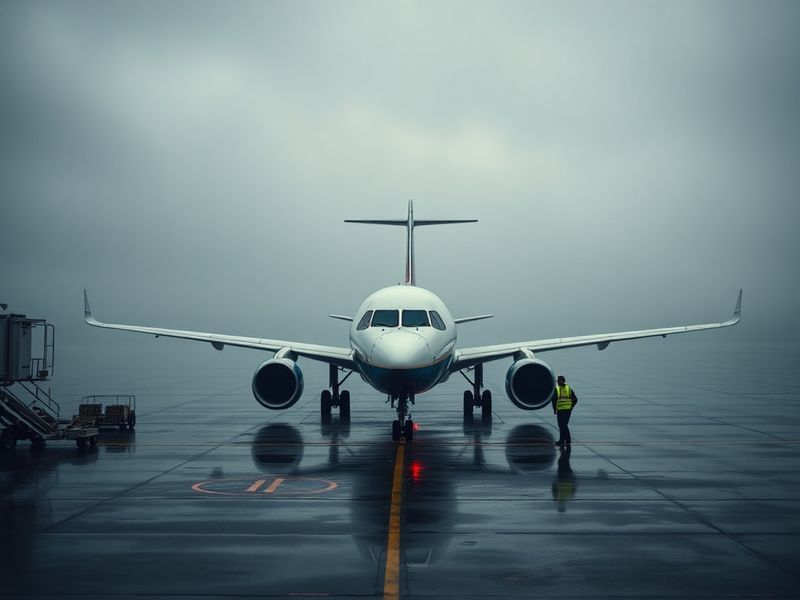
Why Airlines Are Canceling Flights Due to Fuel Shortages
“`html
Airlines Canceling Flights Due to Fuel Shortages: What Travelers Need to Know
The past year has seen a sharp rise in flight cancellations, and fuel shortages are increasingly cited as a leading cause. Airlines are struggling with volatile oil prices, supply chain disruptions, and geopolitical tensions that are making jet fuel harder to source and more expensive to refine. For travelers already frustrated by delays and cancellations, the situation is only getting worse.
Fuel is the lifeblood of the aviation industry. Without a steady supply, airlines cannot operate flights on time—or at all. The issue isn’t just about cost; it’s about availability. Some airlines have grounded entire fleets temporarily, while others are reducing flight frequencies across key routes. The ripple effect is being felt worldwide, from major hubs like London Heathrow and Frankfurt to regional airports in smaller markets.
Why Fuel Shortages Are Disrupting Air Travel
Several interconnected factors are driving the current fuel crisis in aviation. The first is the surge in global oil prices following Russia’s invasion of Ukraine in 2022. While oil markets have stabilized somewhat, jet fuel—a refined product derived from crude—remains sensitive to geopolitical shocks and refining capacity constraints.
Another major issue is the lack of refining capacity dedicated to aviation fuel. Many refineries have shifted focus to producing diesel and gasoline due to higher demand and profit margins. This has left jet fuel production lagging behind, especially as airlines try to recover from the pandemic-era slowdown.
Additionally, seasonal demand spikes—such as summer travel booms—put extra pressure on already tight fuel supplies. Airlines are now caught in a bind: they need fuel to operate, but securing it at reasonable prices is increasingly difficult.
According to the International Air Transport Association (IATA), global jet fuel costs rose by 30% in 2023 compared to the previous year. Some carriers have responded by reducing their schedules or canceling flights entirely when fuel is unavailable or too costly to purchase.
Airline Responses: Cuts, Cancellations, and Cost-Shifting
Major carriers are taking different approaches to manage the crisis. Ryanair, for example, has announced a 10% reduction in its summer schedule due to fuel constraints and pilot shortages. Meanwhile, Lufthansa has temporarily grounded some aircraft and rerouted flights to reduce fuel burn on longer-haul routes.
Budget airlines are not immune. EasyJet has warned passengers that delays and cancellations may persist throughout the peak summer season. The airline has also raised fares to offset higher fuel expenses, pushing costs onto travelers.
Some airlines are turning to long-term contracts with refiners to secure fuel supplies. However, smaller carriers and regional operators often lack the bargaining power to lock in favorable terms. As a result, they are more vulnerable to sudden price spikes or supply interruptions.
How Fuel Shortages Affect Passengers
For travelers, the impact is immediate and frustrating. Flight cancellations lead to missed connections, lost vacation days, and unexpected expenses for hotels and meals. The situation is particularly tough for families traveling during school breaks or elderly passengers with medical needs.
Re booking fees and fare differences are adding insult to injury. Many passengers are forced to pay premium prices for last-minute seats on alternative flights, while others are stuck waiting days for the next available departure.
Airports are also feeling the strain. Longer lines at check-in counters and customer service desks are becoming common, as staff struggle to handle the surge in rebookings and refund requests. Some airports have even begun offering temporary accommodations for stranded passengers.
What Travelers Can Do to Prepare
While airlines and regulators work to stabilize fuel supplies, passengers can take steps to minimize disruptions:
- Check your airline’s schedule frequently. Airlines are updating their flight plans more often than usual, so monitor your flight status starting at least 72 hours before departure.
- Consider flexible travel dates. Flying on weekdays or during off-peak hours can reduce the risk of cancellations.
- Pack lightly and bring essentials in your carry-on. If your checked baggage is delayed due to rerouted flights, having medications, toiletries, and a change of clothes in your carry-on can make delays more manageable.
- Sign up for airline alerts. Most carriers offer text or email notifications about schedule changes, gate assignments, and delays.
- Consider travel insurance. Policies that include trip interruption or delay coverage can reimburse non-refundable expenses if your flight is canceled due to fuel shortages or other operational issues.
Looking Ahead: Will the Situation Improve?
Industry analysts predict that fuel shortages will continue into 2025, though the severity may vary by region. Europe, heavily dependent on imported oil, remains particularly vulnerable. Meanwhile, North American carriers are slightly better positioned due to increased domestic refining capacity and access to shale-based fuels.
In the long term, the aviation industry is exploring alternatives such as sustainable aviation fuel (SAF). Made from renewable sources like waste oils and agricultural residues, SAF can reduce carbon emissions and lessen reliance on traditional jet fuel. However, production is still limited, and costs remain high—around two to three times more expensive than conventional fuel.
Governments are also being pressured to intervene. The U.S. Federal Aviation Administration (FAA) and European Union regulators are considering temporary fuel subsidies or strategic reserves to stabilize prices during peak travel seasons.
For now, travelers must remain vigilant. Booking early, choosing flexible fare options, and staying informed are the best ways to navigate this uncertain landscape. While the industry adapts, patience and preparation will be key.
The cancellation of flights due to fuel shortages is more than a temporary inconvenience. It reflects deeper challenges in global energy infrastructure, supply chains, and climate policy. As airlines, governments, and travelers grapple with these realities, the future of air travel hangs in the balance.