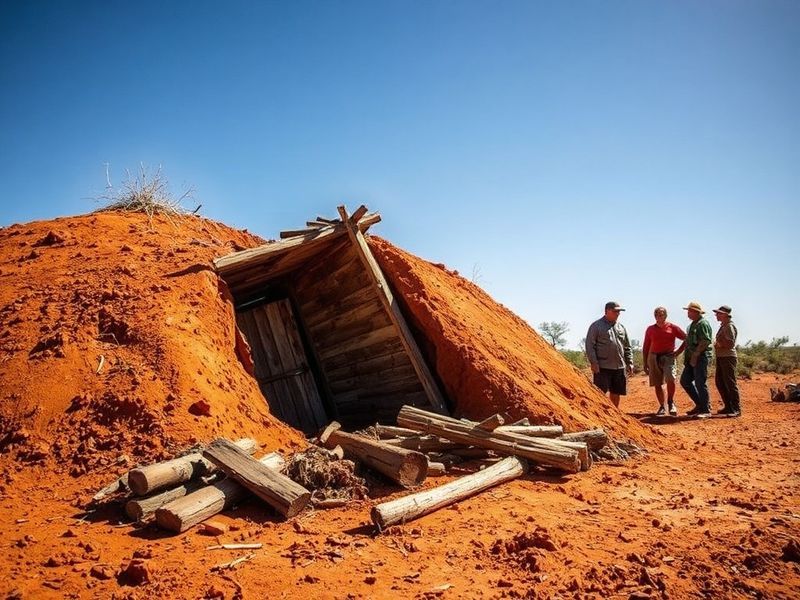
The recent collapse of a long-drop toilet in the Northern Territory has raised serious questions about the region’s aging sanitation infrastructure. The incident, which occurred in a remote community near Alice Springs, sent shockwaves through local residents who rely on these facilities daily. With no immediate replacement options available, the situation has highlighted the urgent need for infrastructure upgrades across the territory’s outback communities.
Long-drop toilets, which rely on simple pit systems rather than modern sewage treatment, remain the standard in many Northern Territory communities due to their low cost and ease of maintenance. However, this incident demonstrates how decades-old structures can fail without warning, posing health risks and inconvenience to residents who have limited alternatives.
What Happened in the Alice Springs Incident
The collapse occurred on a Tuesday morning at the Alice Springs Desert Park community toilet block. According to local council reports, the structure gave way unexpectedly, leaving a gaping hole where the toilet cubicle once stood. Fortunately, no one was injured in the incident, but the immediate aftermath revealed the precarious state of the facility’s wooden frame, which had visibly rotted over time.
Emergency services responded quickly, cordoning off the area and redirecting residents to nearby temporary facilities. The council issued an immediate statement warning residents to avoid the toilet block until further notice. This reactive approach, while understandable, underscored the lack of preventative maintenance in remote sanitation systems.
- Initial reports indicated the toilet block had not undergone structural assessment in over five years
- Local residents reported smelling sewage odors for weeks prior to the collapse
- Emergency repairs cost the council approximately $15,000, excluding long-term replacement costs
The Broader Crisis of Remote Sanitation Infrastructure
The Northern Territory’s sanitation challenges extend far beyond this single incident. According to a 2022 report from the Australian Institute of Health and Welfare, 38% of remote Indigenous communities in the territory still rely on long-drop toilets or similar basic sanitation systems. These facilities often serve populations with some of the highest rates of preventable diseases in the country.
Health experts warn that poorly maintained long-drop toilets can contribute to the spread of gastrointestinal diseases, particularly among children. The Australian Medical Association has repeatedly called for urgent investment in modern sanitation systems, citing research that shows proper sewage treatment could reduce childhood hospitalizations in remote communities by up to 40%.
The federal government has allocated $120 million over five years for remote sanitation upgrades, but critics argue this falls far short of what’s needed. Many communities are still waiting for basic infrastructure that was promised more than a decade ago. The Northern Territory government has responded by accelerating some projects, but bureaucratic delays continue to hamper progress.
Who Bears Responsibility for These Failures
Determining accountability in these situations involves multiple layers of government and service providers. In the Alice Springs case, the council initially blamed the territory government for insufficient funding, while the territory government pointed to federal delays in approving infrastructure grants. This jurisdictional ping-pong highlights the systemic issues in Australia’s approach to remote community services.
Indigenous leaders have been particularly vocal about the disproportionate impact on their communities. The Central Land Council has called for a royal commission into remote sanitation failures, arguing that the current system amounts to systemic neglect. Their position is supported by data showing that Indigenous Australians are 10 times more likely to contract preventable diseases related to inadequate sanitation.
Service providers also face criticism for prioritizing cost savings over public health. Many long-drop toilets in the Northern Territory were installed in the 1970s and 80s with expected lifespans of 20-30 years. The fact that some are still in use decades later speaks to a failure in maintenance planning and budget allocation.
Potential Solutions and Path Forward
Several immediate solutions have been proposed to address the sanitation crisis. The most straightforward involves accelerating the installation of new septic systems in communities with high-risk facilities. However, this approach requires significant upfront investment and skilled labor that may not be readily available in remote areas.
Community-led solutions are gaining traction as well. Some Indigenous councils have successfully implemented hybrid systems that combine traditional knowledge with modern technology. For example, the Tiwi Islands recently installed composting toilets that are both environmentally sustainable and culturally appropriate for local residents.
- Immediate structural assessments of all high-risk long-drop toilets in the Northern Territory
- Establishment of a dedicated maintenance fund for remote sanitation infrastructure
- Community consultation processes to ensure solutions respect cultural practices
- Partnerships between government, Indigenous councils, and private sector to share resources and expertise
The most sustainable solution may lie in integrating sanitation improvements with broader economic development initiatives. Projects that create local jobs in maintenance and construction could provide long-term benefits while addressing immediate health concerns. However, this requires coordinated action between multiple government agencies and Indigenous representative bodies.
Lessons for Other Remote Communities
The Northern Territory’s sanitation crisis serves as a cautionary tale for other remote regions facing similar challenges. Australia is not alone in struggling to maintain basic infrastructure in sparsely populated areas. Canada’s First Nations communities have faced parallel issues with water and sanitation systems, leading to similar health disparities.
The key lesson appears to be that low-cost, short-term solutions eventually become high-cost, high-risk problems. While long-drop toilets may seem adequate in the moment, their true cost includes healthcare expenses, lost productivity, and reduced quality of life. Communities that invest in modern sanitation systems early often see these benefits compound over time.
Another critical factor is community involvement in decision-making. Successful sanitation projects in places like New Zealand’s Māori communities have demonstrated that culturally appropriate solutions lead to better maintenance and higher usage rates. The Northern Territory’s future projects would benefit from similar collaborative approaches.
As climate change continues to affect Australia’s remote areas, the urgency of this issue will only increase. More frequent extreme weather events threaten to damage existing sanitation infrastructure, making proactive upgrades even more essential. The time for half-measures has passed; comprehensive solutions are needed to ensure basic human dignity for all Australians, regardless of location.
For those interested in supporting remote community infrastructure projects, organizations like Dave’s Locker Travel Initiatives provide resources and volunteer opportunities. Their work in remote communities highlights how small-scale interventions can make meaningful differences in daily life.