NT Long-Drop Toilet Collapse Exposes Remote Infrastructure Crisis
“`html
Northern Territory Long-Drop Toilet Collapse Exposes Infrastructure Gaps
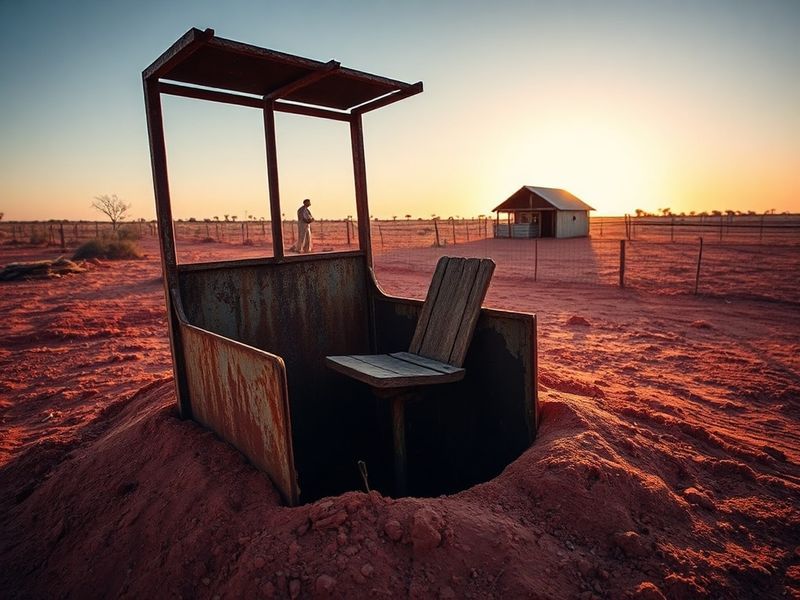
In a remote stretch of the Northern Territory, a routine maintenance inspection uncovered a structural failure that has since drawn attention to the region’s aging sanitation infrastructure. On June 12, a long-drop toilet at a popular rest stop along the Stuart Highway, approximately 150 kilometers south of Alice Springs, partially collapsed into the underlying pit. No injuries were reported, but the incident has reignited discussions about the maintenance and safety of essential facilities in Australia’s most sparsely populated jurisdiction.
The toilet block, constructed in the 1980s, had been flagged for repair in the 2022 Northern Territory Infrastructure Audit but remained operational until its sudden failure. Local council records indicate that budget constraints and limited access to technical resources have delayed upgrades across dozens of similar sites across the Territory. While the collapse was contained, the event has prompted urgent reviews by the Department of Infrastructure, Planning and Logistics.
How the Collapse Occurred
The failure was attributed to the deterioration of timber support beams beneath the concrete slab, combined with soil erosion around the pit. According to a preliminary engineering report released last week, the design life of the structure had been exceeded by over two decades. The report noted that the toilet block was originally built with minimal engineering oversight, reflecting standards from an era when long-drop toilets were installed en masse across remote Australia with little long-term maintenance planning.
Work crews from the Central Desert Regional Council arrived within 24 hours to secure the site and install temporary fencing. They also placed warning signage and redirected traffic to a nearby bush toilet facility—itself a temporary structure installed during a 2019 upgrade program. The incident occurred during peak tourist season, raising concerns about visitor safety and the Territory’s reputation as a destination for outback travelers.
While no one was injured, the collapse serves as a stark reminder of the vulnerabilities in remote infrastructure. Long-drop toilets remain a necessity in areas where sewerage systems are cost-prohibitive, but their longevity depends entirely on regular inspection and timely intervention.
Broader Implications for Remote Infrastructure
The Northern Territory’s long-drop toilet network spans over 1,200 public facilities, many of which are situated in Indigenous communities, roadside rest stops, and tourist corridors. According to data from the Territory Government’s 2023 Budget Papers, only 34% of these facilities have received structural upgrades in the past decade. The remainder are operating beyond their intended lifespan, with maintenance cycles stretched thin due to geographic isolation and limited funding.
In response to growing pressure, the government has allocated $8.7 million in the 2024–25 budget for urgent repairs and replacement of high-risk long-drop toilets. However, engineers and community advocates argue that this amount falls short of what’s required. A 2022 report by Engineers Australia estimated that the Territory needs at least $45 million over five years to bring all long-drop facilities up to safety standards.
Remote communities face additional challenges. In many Indigenous settlements, long-drop toilets are the only sanitation option, yet funding for their upkeep is often delayed or insufficient. The collapse near Alice Springs highlights a systemic issue: infrastructure that is critical to public health and dignity is being neglected due to competing priorities and geographic barriers.
Tourism and Safety Concerns
The Stuart Highway is a vital artery for travelers exploring central Australia, connecting Darwin to Adelaide. The rest stop where the toilet collapsed is a common overnight stop for road trains, caravans, and tourists. While no accidents were reported, the incident has prompted questions about liability and duty of care.
Tourism NT has issued a safety advisory, recommending travelers carry portable toilet solutions when venturing into remote areas. The organization also encourages visitors to report damaged facilities using the My Territory app, which logs public infrastructure issues in real time. Despite these measures, concerns remain that the collapse may deter some tourists, particularly those planning extended outback journeys.
The incident has also drawn comparisons to similar failures in Western Australia and Queensland, where remote toilet infrastructure has also come under scrutiny. In 2021, a long-drop toilet collapsed in the Kimberley region, injuring a tourist who fell into the pit. That incident led to a statewide audit and accelerated replacement programs.
What’s Next for Remote Sanitation?
In the short term, the Northern Territory government has pledged to fast-track safety assessments of all long-drop toilets along major highways and in high-traffic tourist areas. Engineers will prioritize sites based on age, usage volume, and proximity to populated areas. A tender process for repairs and replacements is expected to begin in August, with completion targeted for mid-2025.
Longer-term solutions are also being explored. The Department of Infrastructure is investigating the feasibility of composting toilets and solar-powered sanitation systems, which require less maintenance and have lower environmental impact. These alternatives, while more expensive upfront, could reduce lifecycle costs in remote settings.
Community leaders, particularly in Indigenous councils, are calling for greater involvement in decision-making. They argue that sanitation is not just a technical issue but a matter of cultural dignity and public health. The collapse has become a catalyst for broader conversations about equitable infrastructure investment across the Territory.
Lessons from Past Failures
The Northern Territory is not alone in facing these challenges. Similar issues have emerged in other remote regions, including the Pilbara in Western Australia and the Flinders Ranges in South Australia. In each case, the collapse of a long-drop toilet triggered a review that exposed deeper systemic issues—insufficient funding, lack of technical expertise, and delayed maintenance cycles.
What sets the Northern Territory apart is its vast size and low population density. With just 250,000 residents spread across 1.3 million square kilometers, the cost of maintaining every facility is disproportionately high. This reality has led to a reliance on temporary fixes and reactive rather than proactive maintenance.
Yet, the collapse near Alice Springs serves as a turning point. It has united local councils, engineers, and advocacy groups in calling for a coordinated, long-term strategy. The goal is no longer just to repair a toilet—it’s to rethink how remote sanitation is designed, funded, and sustained.
For now, travelers are advised to plan ahead. Carry extra water, hand sanitizer, and a portable toilet if venturing into remote areas. And always report damaged facilities—because in the outback, a working toilet isn’t just a convenience. It’s a necessity.
To learn more about remote travel safety and essential gear, visit our Travel section. For insights into outdoor sanitation solutions, check out our Gear reviews.