After three years of strict pandemic-era restrictions, the United States has begun implementing new policies to process asylum claims at its southern border. The reopening comes as part of a broader shift in immigration enforcement, but it has raised questions about how travelers—particularly those with pending cases or family ties in the US—will be affected. While the changes aim to restore some humanitarian protections, practical challenges remain for both migrants and authorities.
The Policy Shift and Its Immediate Impact
The Biden administration’s decision to reopen asylum processing follows a federal court ruling that struck down Title 42, the emergency health measure that allowed border agents to quickly expel migrants without hearings. Under the new framework, asylum seekers who meet eligibility criteria can now request protection at official ports of entry rather than attempting to cross illegally. The process includes biometric screenings, background checks, and interviews with asylum officers.
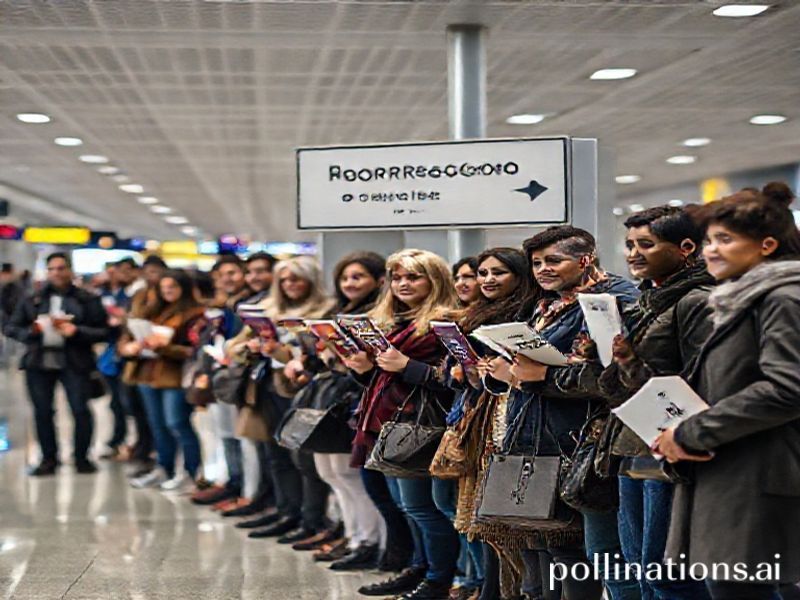
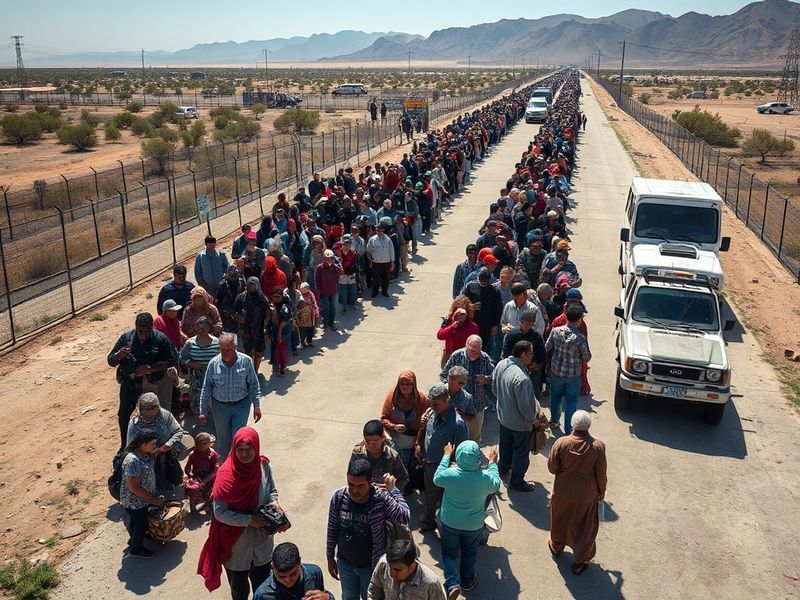
However, the transition has not been seamless. Long wait times at border crossings like San Ysidro and El Paso have frustrated both migrants and travelers. Customs and Border Protection (CBP) officials report increased foot traffic as families with mixed immigration statuses seek clarity on their options. Meanwhile, advocacy groups warn that without adequate staffing, the system could become overwhelmed in the coming months.
Key Changes for Asylum Seekers
- Faster processing: Asylum claims will be prioritized based on vulnerability, such as families with children or individuals facing persecution.
- Limited parole programs: Some migrants may qualify for temporary entry while their cases are reviewed, though slots remain scarce.
- Stricter enforcement: Those who cross between ports of entry risk immediate deportation under revived immigration laws.
How Travelers Are Affected
For US citizens and legal residents returning from Mexico or other neighboring countries, the reopening introduces new variables. Border wait times have fluctuated unpredictably, with some crossings experiencing delays of six hours or more. Travelers carrying documents related to asylum petitions—even if they’re not directly involved—may face additional scrutiny from CBP officers.
Meanwhile, foreign visitors with pending asylum claims in the US should prepare for possible delays in re-entry. The Department of Homeland Security has advised non-citizens to carry proof of their legal status, including work permits or pending court dates. Failure to provide these documents could result in secondary inspections or, in rare cases, denial of entry.
For those planning trips to popular border destinations like Tijuana or Ciudad Juárez, local tourism boards have urged patience. Businesses near the border report mixed reactions—some hotels and restaurants catering to migrants have seen increased business, while others worry about reputational damage from the ongoing humanitarian crisis.
The Humanitarian and Political Divide
The asylum reopening has reignited debates over immigration reform. Supporters argue that the policy aligns with US obligations under international law and reduces the risks associated with illegal crossings. Critics, including some Republican lawmakers, contend that the changes will encourage more migrants to attempt the journey, straining border resources.
In El Paso, Texas, local shelters have scrambled to accommodate a surge in arrivals. One nonprofit director described the situation as “a balancing act between compassion and control.” The organization has redirected funds to provide legal aid, but demand far outstrips supply. Meanwhile, in Washington, D.C., lawmakers remain deadlocked over a long-term solution, leaving temporary measures in place.
Regional Responses to the Crisis
- California: Governor Gavin Newsom has pledged $125 million to support asylum seekers, focusing on housing and healthcare.
- Texas: Governor Greg Abbott has deployed state troopers to deter illegal crossings, citing concerns over drug trafficking and public safety.
- Arizona: Local NGOs have partnered with faith-based groups to provide food and legal assistance, filling gaps left by federal agencies.
What Comes Next?
As the US grapples with the fallout from the asylum reopening, travelers and migrants alike must navigate an evolving landscape. For now, the best advice for anyone crossing the border is to verify their documents, allow extra travel time, and stay informed about policy updates. The situation remains fluid, with potential for further adjustments in the coming months.
One thing is clear: the reopening marks a turning point, but its long-term effects will depend on how effectively the system adapts. Whether you’re a tourist, a migrant, or simply observing from afar, staying informed is the only way to avoid unexpected complications.
For those interested in the broader context of US immigration policy, our news section offers ongoing coverage of related developments.
Conclusion: A Step Toward Normalcy, But Challenges Remain
The reopening of asylum processing at the US border represents a significant shift after years of restrictions. While it offers a pathway to legal entry for many, the process is far from perfect. Travelers must adapt to longer wait times and stricter enforcement, while migrants face an uncertain journey toward safety and stability.
Only time will tell whether this policy achieves its intended balance between humanitarian concerns and border security. For now, the focus must be on improving infrastructure, increasing staffing, and ensuring that the system functions as intended—without leaving anyone behind.