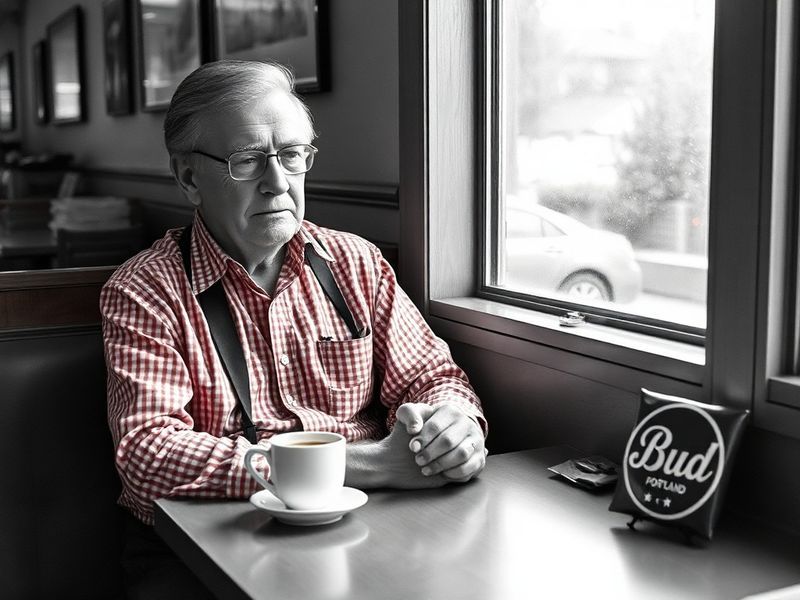
Bud Clark left an indelible mark on Portland, Oregon, transforming from a counterculture bar owner to one of the city’s most iconic mayors. His unorthodox path to politics and genuine connection with residents redefined civic leadership in the 1980s and beyond.
A Grassroots Start in Portland’s Counterculture Scene
Before entering politics, Bud Clark made his name in Portland’s vibrant counterculture scene. In 1967, he co-founded the iconic Goose Hollow Inn, a dive bar that became a gathering place for artists, musicians, and free spirits. The establishment’s no-frills approach—where Clark famously greeted patrons with “Hey, you!”—reflected his down-to-earth personality.
The Goose Hollow Inn wasn’t just a bar; it was a cultural hub where Clark nurtured relationships with Portland’s creative community. His ability to listen and connect with people from all walks of life would later define his political career. Even during his mayoral tenure, Clark maintained his connection to the bar, often stopping by to chat with regulars.
Clark’s early years also included a stint as a Peace Corps volunteer in Nigeria, an experience that shaped his worldview. This period of his life demonstrated his willingness to step outside conventional paths—a trait that would serve him well in politics.
From Bar Owner to Mayor: A Political Upset
Bud Clark’s entry into politics came as a surprise to many. In 1984, he ran for Portland mayor as a Democratic Socialist, positioning himself against the political establishment. His campaign was low-budget but high-energy, relying on grassroots organizing and his reputation as a community builder.
The race pitted Clark against well-funded opponents, including state legislator Bill Heddens. Yet Clark’s authenticity resonated with Portland voters. He won the election with 46% of the vote, becoming one of the few independent mayors in a major U.S. city at the time. His victory signaled a shift toward more progressive politics in Portland.
Clark’s mayoralty (1985-1992) was marked by several key initiatives:
- Neighborhood Revitalization: Clark prioritized community input in urban development, creating the Bureau of Neighborhood Associations.
- Public Safety: He implemented neighborhood watch programs and expanded police community relations.
- Environmental Leadership: Portland became a national leader in sustainability under his watch, with policies promoting recycling and green spaces.
- Arts and Culture: Clark championed public art and funded local artists through city programs.
His leadership style—casual, approachable, and deeply engaged—contrasted sharply with traditional political figures. Clark often rode his bicycle to city hall and maintained his signature “Bud’s Bicycle” campaign button years after taking office.
Legacy Beyond Politics: A Lasting Portland Icon
After leaving office, Bud Clark remained a beloved figure in Portland. He continued to be a vocal advocate for progressive causes, from homelessness to environmental justice. His post-mayoral years included roles as a consultant for nonprofits and occasional media appearances.
Clark’s most enduring contribution might be his cultural impact. He embodied Portland’s ethos of authenticity and community. His face became synonymous with the city’s identity, appearing in countless local murals, t-shirts, and even a public art installation at the Goose Hollow Inn.
In 2014, Clark passed away at age 90, but his legacy lives on. Portlanders continue to reference his leadership style when discussing local politics. The Bud Clark Commons, a downtown homeless services center, stands as a testament to his commitment to social justice.
Clark’s life story offers lessons for modern civic leadership. His combination of authenticity, community focus, and willingness to challenge the status quo remains relevant in today’s political climate. Portland’s continued embrace of Clark’s ideals—from bike lanes to local business support—shows how deeply he influenced the city’s character.
Why Bud Clark Still Matters Today
In an era of political polarization, Bud Clark’s approach to leadership feels increasingly rare. His ability to bridge divides—between urban and rural interests, between different socioeconomic groups—was remarkable. Today’s civic leaders might look to Clark’s tenure as a model for inclusive governance.
Several aspects of Clark’s legacy stand out as particularly relevant:
- Community-Centered Decision Making: Clark’s creation of neighborhood associations gave residents direct input into city planning. This model has been replicated in other cities but remains a benchmark for participatory democracy.
- Balancing Growth and Identity: Portland’s growth in the 1980s and 90s posed challenges similar to those facing many cities today. Clark navigated these pressures while maintaining the city’s unique character.
- Authenticity in Leadership: In an age of carefully crafted political personas, Clark’s genuine, sometimes flawed humanity made him relatable. His famous “Bud’s Bicycle” pin became a symbol of approachable governance.
- Progressive Policy Innovation: From environmental initiatives to social services, Clark implemented forward-thinking policies that addressed emerging urban challenges.
Clark’s story also highlights the importance of local politics. While national figures often dominate political discourse, Clark proved that meaningful change can happen at the city level. His career demonstrates how one person’s commitment to community can shape a city’s trajectory for decades.
Portland’s continued reputation as a progressive, livable city owes much to Bud Clark’s leadership. His blend of grassroots organizing and pragmatic governance created a model that other cities still study and emulate.
Conclusion: Portland’s Everyman Mayor
Bud Clark’s journey from bar owner to mayor to Portland icon illustrates the power of authentic leadership. His story reminds us that politics doesn’t always require a traditional path—sometimes the most effective leaders emerge from unexpected places.
More than three decades after his time in office, Clark’s influence persists in Portland’s culture and governance. The city he helped shape continues to honor his legacy through policy decisions and public art. For those studying effective civic leadership, Clark’s career offers valuable lessons about community connection and progressive policymaking.
Bud Clark proved that one person can make a difference in a city’s character. His legacy challenges us to consider what kind of leadership we value—and how we might cultivate more leaders like him in our own communities.