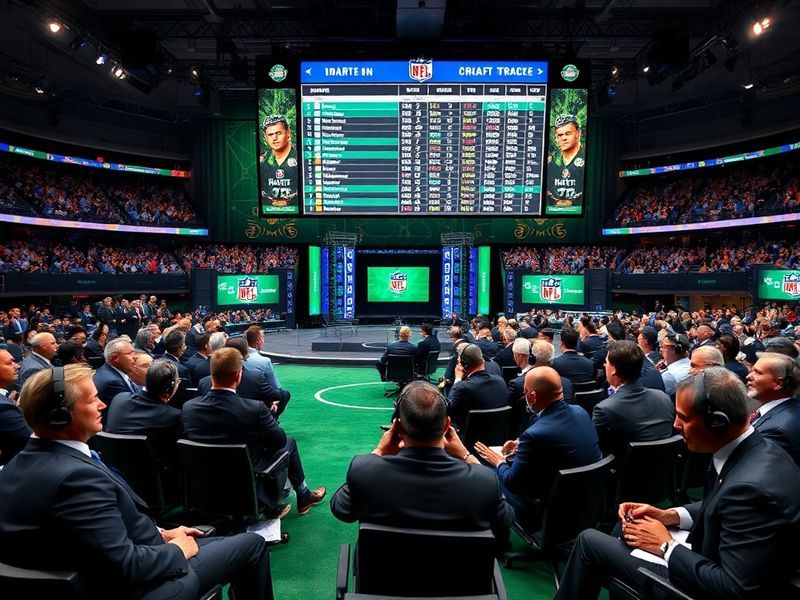
NFL Draft Tracker: How Teams Uncover Future Stars in Real Time
“`html
NFL Draft Tracker: Where Teams Land Their Future Stars
The NFL Draft is more than a three-day event; it’s the lifeblood of franchise renewal. Every April, 32 teams place their bets on amateur talent, hoping to uncover the next generation of All-Pros. For fans, analysts, and general managers alike, the NFL Draft tracker has become an indispensable tool. It doesn’t just list who was selected—it tells the story of strategic shifts, surprise picks, and the evolving calculus of decision-making in professional football.
The tracker aggregates real-time data from the draft floor, from mock draft simulations to official selections, and presents them in a digestible format. It’s a digital nerve center for draft coverage, blending official league feeds with expert insights and fan reactions. But why has this tool become so central to how we experience the draft? And how does it reflect broader trends in football strategy and media consumption?
The Role of the NFL Draft Tracker in Modern Football
Modern NFL Draft trackers are sophisticated platforms that do far more than display names and picks. They integrate live updates, historical comparisons, player profiles, and even predictive analytics. Sites like Dave’s Locker Sports curate draft boards that allow fans to follow not just the “who,” but the “why” behind every selection.
These tools have evolved alongside the draft itself. In the pre-internet era, fans relied on newspapers and TV broadcasts. Now, a few taps on a smartphone can reveal the scouting report, workout data, and draft-day trades associated with each pick. This transparency has democratized draft analysis, empowering fans to engage more deeply with the process.
But the tracker’s influence extends beyond fan engagement. Teams use similar data systems during the draft to make split-second decisions. The rise of analytics in football has made real-time metrics—such as player efficiency, injury history, and positional value—a standard part of the evaluation process. The tracker isn’t just a fan tool; it’s a reflection of how data now shapes the league’s future.
What Sets Elite Draft Trackers Apart
Not all draft trackers are created equal. The most effective ones share several key features:
- Real-time integration: Live updates from the draft floor, including official announcements and analyst reactions, keep users connected to the action.
- Historical context: Comparing current picks to past drafts helps fans and teams assess value trends over time.
- Expert commentary: Embedded analysis from former players, scouts, and journalists adds depth to the raw data.
- Customization: Users can filter picks by team, round, position, or even individual player, tailoring the experience to their interests.
- Trade tracking: Monitoring draft-day trades—especially those involving future picks—reveals teams’ long-term strategies.
Platforms that combine these elements offer more than information—they offer insight. They help fans understand not just what happened, but what it means for the future of their favorite teams.
How Draft Trackers Reflect Broader NFL Trends
The evolution of the NFL Draft tracker mirrors the league’s broader transformation. One of the most notable trends is the increasing emphasis on the “analytics-friendly” prospect. Teams are prioritizing players with high-level data metrics—such as yards after contact, route efficiency, or pass-rush win rates—over traditional scouting traits. Draft trackers now highlight these metrics, making them accessible to a wider audience.
Another trend is the growing importance of the “Day 2 and 3” draft. While first-round picks dominate headlines, the real value often lies in rounds two through seven. These players—often undervalued in the public eye—become starters, Pro Bowlers, and even Hall of Famers. Trackers that emphasize depth and development help fans appreciate the full scope of the draft’s impact.
The rise of the “positional value” debate is also evident in draft trackers. Should a team draft a quarterback in the first round, or prioritize an offensive tackle? Should they trade up for a pass rusher, or accumulate more picks in later rounds? Trackers now incorporate positional scarcity models and draft-value charts (like the Dave’s Locker Analysis board) to help fans evaluate these choices.
The Human Element Behind the Data
Despite the rise of analytics, the draft remains a deeply human process. Scouts spend years evaluating talent, and their instincts still matter. Draft trackers don’t replace scouts—they amplify their voices. By combining data with qualitative insights, these platforms offer a more complete picture of each pick.
For example, a tracker might show that a team selected a running back in the third round. But the accompanying analysis could reveal that the player has a rare combination of vision, burst, and pass-catching ability—traits that fit the team’s offensive scheme perfectly. This blend of data and storytelling is what makes modern draft coverage compelling.
The Future of Draft Tracking: AI, Personalization, and Beyond
The next frontier for NFL Draft trackers lies in artificial intelligence and machine learning. Imagine a platform that not only tracks picks but predicts future performance based on historical data, player development models, and even social media sentiment. AI could highlight undervalued prospects or warn of potential busts before the selection is made.
Personalization will also play a bigger role. Fans could create custom draft boards that prioritize their team’s needs, favorite players, or even their own predictions. These boards could evolve in real time as new information emerges, turning passive spectators into active participants in the draft narrative.
Another exciting development is the integration of augmented reality (AR). Imagine watching the draft on TV while your phone overlays real-time stats, player comparisons, and expert reactions directly on your screen. This kind of immersive experience could redefine how fans consume the draft.
The NFL Draft tracker is no longer just a tool—it’s an ecosystem. It reflects the league’s growing sophistication, the democratization of sports analysis, and the evolving ways fans engage with the game. As technology advances, so too will the tracker’s role in shaping the future of football.
Conclusion: Why the Draft Tracker Matters
The NFL Draft tracker is more than a convenience; it’s a cultural shift. It has transformed the draft from a behind-closed-doors event into a transparent, interactive spectacle. For fans, it’s a way to deepen their connection to the game. For teams, it’s a strategic asset. For the league, it’s a reflection of its ongoing evolution.
As the NFL continues to embrace data and technology, the draft tracker will only grow in importance. It’s not just about who gets picked—it’s about how the game is played, analyzed, and experienced. And in an era where every decision is scrutinized, the tracker ensures that no detail goes unnoticed.
Whether you’re a die-hard fan, a fantasy football player, or a coach making personnel decisions, the NFL Draft tracker is your window into the future of the league. Follow it closely, and you might just predict the next dynasty before it happens.