London Marathon 2026: Dates, Route & Global Impact
“`html
London Marathon 2026: Preparing for a Global Showcase
The London Marathon has long stood as one of the world’s most prestigious road races, a testament to endurance, community, and urban athleticism. As the city gears up for the 2026 edition, anticipation is building not just among elite athletes and local runners, but across continents. With nearly 50,000 participants and millions of spectators—both live and televised—the event is far more than a sporting fixture; it’s a cultural touchstone that reflects London’s global pulse.
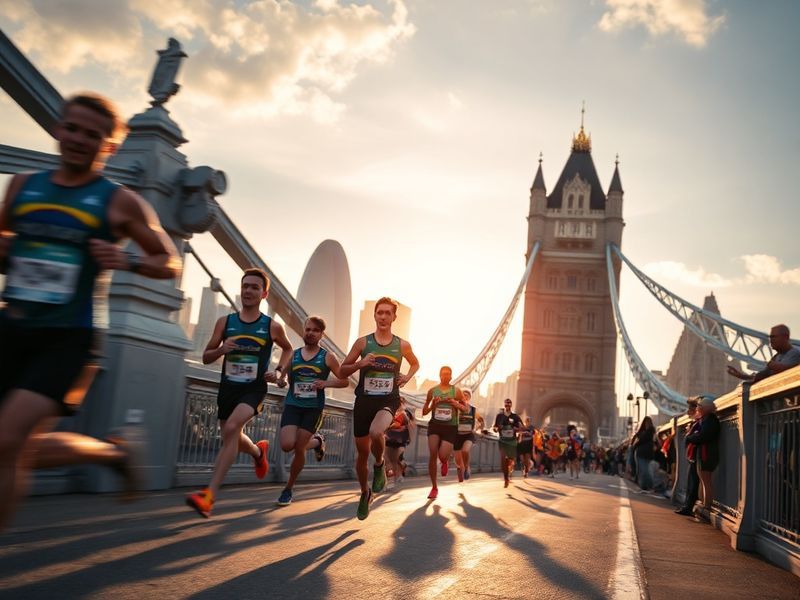
Scheduled for April 26, 2026, the race will once again trace its iconic route from Greenwich to The Mall, passing landmarks like Tower Bridge, Canary Wharf, and the London Eye. But beyond the course lies a deeper narrative—one of accessibility, innovation, and international influence. This edition promises to push boundaries in sustainability, inclusivity, and fan engagement, setting new standards for future marathons worldwide.
From Elite Competition to Mass Participation
The London Marathon has always balanced elite performance with mass participation. For 2026, race organizers are emphasizing both ends of the spectrum. The elite field is expected to feature defending champions and rising stars from East Africa, Europe, and beyond, with prize purses designed to attract top-tier talent. Meanwhile, the mass participation program—including charity entries, public ballot places, and guaranteed bibs for Good for Age runners—remains a cornerstone of the event’s ethos.
In 2024, nearly 30% of entrants came from outside the UK, reflecting the marathon’s global reach. Organizers anticipate a similar international spread in 2026, with runners from over 100 countries expected to take part. This diversity isn’t just symbolic; it’s woven into the event’s fabric. Pacers in 2026 will represent a range of nationalities and running backgrounds, ensuring that the pace groups reflect the global community. It’s a small but meaningful nod to the idea that the marathon belongs to everyone, regardless of origin.
For those inspired to participate, registration opens in late 2025. The ballot system remains competitive, with a 5% acceptance rate in recent years. Charity entries offer another pathway, with places allocated to organizations supporting causes from cancer research to mental health awareness. These initiatives ensure the marathon remains accessible to those committed to giving back.
Sustainability at the Heart of the 2026 Edition
Environmental responsibility has become non-negotiable for major sporting events, and the London Marathon is leading by example. Building on its status as the world’s first marathon to achieve ISO 20121 certification for sustainable event management, the 2026 race is set to introduce even bolder initiatives.
- Plastic-Free Route: All hydration stations will use compostable cups or encourage runners to bring their own bottles. Post-race refreshments will be served in reusable or biodegradable packaging.
- Low-Carbon Transport: Athlete buses and shuttle services will transition to electric or hydrogen-powered vehicles. Spectators are encouraged to use public transport, with free travel on London’s network for race day ticket holders.
- Waste Diversion: The goal is 90% waste diversion from landfill, achieved through extensive recycling and composting programs across the course. Leftover clothing from runners will be donated to charity rather than discarded.
- Carbon Offsetting: All unavoidable emissions—from event operations to athlete travel—will be offset through verified reforestation projects in the UK and Africa.
These measures aren’t just about compliance; they’re reshaping expectations for major events. By 2026, the London Marathon could serve as a blueprint for how global sporting spectacles can align with climate goals without sacrificing spectacle or tradition.
Technology and Fan Experience: Redefining the Spectator
The way fans engage with the London Marathon has evolved dramatically. In 2026, organizers are doubling down on digital innovation to create an immersive experience for both in-person and remote audiences. The race’s official app will feature real-time GPS tracking for all competitors, allowing fans to follow their favorite runners with unprecedented precision. Augmented reality (AR) filters will let spectators overlay live race stats, athlete bios, and even historical race data onto their phone cameras as they watch from the sidelines.
For those watching from abroad, virtual reality (VR) zones in key international cities—including New York, Berlin, and Nairobi—will offer a 360-degree view of the course. These hubs will host watch parties with live commentary, athlete appearances, and interactive challenges. It’s a bid to globalize the spectator experience, ensuring that the energy of London reaches every corner of the world.
On the course itself, wearable technology will play a larger role. Runners will receive live hydration and pacing alerts via smartwatches, while spectators can scan QR codes at key points to access audio commentary, runner interviews, and environmental impact updates. The goal is to make the marathon feel like a living, breathing entity—one that responds to both the runners and the crowd.
Cultural Echoes: The Marathon as a Global Stage
Beyond the numbers and the records lies a deeper significance. The London Marathon is a stage where culture, identity, and athleticism intersect. In 2026, the event will celebrate its 40th anniversary, a milestone that invites reflection on how far it has come—and where it’s headed.
The marathon’s route itself is a cultural map of London. Starting in Greenwich, a borough steeped in maritime history, the course winds through Canary Wharf’s financial district, past the East End’s multicultural neighborhoods, and into the heart of Westminster. Each mile tells a story of the city’s evolution. In 2026, organizers are collaborating with local artists, musicians, and historians to curate pop-up exhibits and performances along the route. These will highlight themes of resilience, migration, and unity—echoing the values of the marathon itself.
International runners bring their own narratives to the race. In recent years, athletes from conflict zones, refugee backgrounds, and underrepresented communities have used the platform to share their stories. The 2026 edition will feature a dedicated “Voices of the Marathon” series, amplifying these voices through podcasts, documentaries, and live panels. It’s a reminder that the London Marathon is more than a race; it’s a global conversation.
The event also serves as a bridge between generations. Elite athletes in their 20s and 30s compete alongside masters runners in their 60s and 70s, proving that the marathon is a lifelong pursuit. In 2026, a special “Legacy Mile” will honor past champions, including legends like Paula Radcliffe and Eliud Kipchoge, who have left an indelible mark on the event. Their stories will be woven into the race’s history, ensuring that new runners understand the weight of the tradition they’re part of.
A Marathon for Everyone
Accessibility remains a priority. The London Marathon has long been a leader in adaptive racing, with wheelchair and elite wheelchair categories drawing top athletes. In 2026, the event will expand its para-athletics program, introducing a new “Open Division” that allows athletes with varying disabilities to compete in a unified category. The goal is to foster inclusion while maintaining competitive integrity.
For amateur runners, the event’s “Mazda Mini London Marathon” will welcome children aged 5–17, with a shorter course that winds through Hyde Park. This program has introduced thousands of young athletes to the joy of running, and 2026 promises even greater participation.
Inclusivity also extends to gender representation. The marathon has maintained a 50/50 gender split in elite fields for several years, and 2026 will see further efforts to support women in running—from post-race recovery zones stocked with menstrual products to partnerships with organizations like Women in Sport.
Ultimately, the London Marathon is a celebration of human potential. Whether you’re a world record holder chasing a sub-two-hour marathon or a first-time runner simply wanting to finish, the event offers a shared experience that transcends borders. In 2026, as the world watches, London will once again prove that the marathon is more than a race—it’s a global gathering of hearts, minds, and miles.
For those eager to be part of it, whether as a runner, volunteer, or spectator, the time to prepare is now. The countdown to April 26, 2026, has begun.