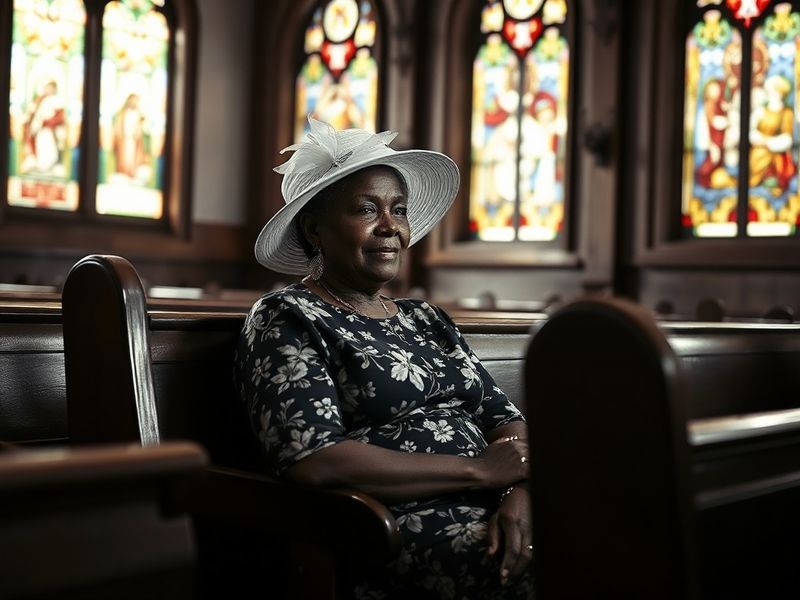
Martha Odom’s work often slips beneath the radar of mainstream media coverage, yet her influence on contemporary storytelling remains undeniable. Over the past two decades, she has shaped how narratives are constructed, distributed, and consumed across multiple platforms. From literary fiction to digital media, Odom’s approach blends traditional craftsmanship with innovative techniques, creating a body of work that appeals to both purists and digital natives.
The Early Years: Crafting a Foundation
Odom’s journey began in the quiet corners of Midwestern literature circles during the late 1990s. Born in Iowa, she grew up surrounded by the kind of landscapes that would later populate her novels—endless fields, small-town diners, and the quiet resilience of people living on the margins. After studying creative writing at the University of Iowa, she published her first short story collection, Fields of Echo, in 2001. Critics praised its lyrical prose and unflinching portrayal of rural life, establishing Odom as a voice to watch.
Her early work was marked by a refusal to romanticize her subjects. Instead, Odom focused on the complexities of human relationships, often exploring themes of isolation, memory, and the search for meaning in mundane settings. This thematic consistency would become a hallmark of her career, setting her apart from contemporaries who chased trends or sensationalism.
The Digital Shift: Expanding the Canvas
By the mid-2000s, Odom recognized the potential of digital platforms to redefine storytelling. While many writers viewed the internet as a threat to traditional publishing, she saw an opportunity to experiment. In 2006, she launched Threadbare Stories, an online platform that serialized short fiction for mobile devices. The project was ahead of its time, leveraging SMS and early mobile web technologies to deliver bite-sized narratives directly to readers.
This wasn’t just a gimmick. Odom understood that digital distribution could democratize storytelling, allowing writers from underrepresented backgrounds to reach audiences without the gatekeeping of traditional publishing houses. Threadbare Stories became a proving ground for her own work as well as emerging voices, proving that literary fiction could thrive in the digital age.
Key Contributions to Digital Storytelling
- Serial Fiction for Mobile Devices: Pioneered the use of SMS and mobile web for serialized storytelling, making literature accessible to non-traditional readers.
- Interactive Narratives: Experimented with branching storylines that allowed readers to influence plot developments through simple text-based choices.
- Community-Driven Content: Fostered a collaborative environment where readers could submit feedback and influence future installments of ongoing stories.
- Cross-Platform Integration: Combined text with audio and visual elements to create immersive, multi-sensory experiences without relying on high-end production values.
Beyond the Page: Odom’s Broader Impact
Odom’s influence extends beyond her own writing. She has mentored dozens of writers through workshops and online programs, many of whom have gone on to publish award-winning work. Her teaching philosophy emphasizes adaptability—urging writers to embrace new technologies while staying true to the core elements of compelling storytelling.
In 2018, she co-founded the Narrative Innovation Lab, a think tank dedicated to exploring the intersection of technology and storytelling. The lab’s research has informed everything from educational software to virtual reality experiences, proving that Odom’s insights are valuable far beyond the literary world.
Her most recent project, The Unseen Thread, is a novel told through a combination of print, audio, and AR-enhanced e-book. Readers can use their smartphones to unlock additional layers of the story, from character backstories to alternate endings. The project has been praised for its seamless integration of mediums, offering a glimpse into the future of storytelling.
The Legacy and What Comes Next
Martha Odom’s career challenges the notion that innovation and tradition are mutually exclusive. She has consistently demonstrated that the best storytelling evolves with its audience, without sacrificing depth or integrity. As digital platforms continue to reshape how we consume media, her work serves as both a guide and a cautionary tale—reminding creators that technology should serve the story, not the other way around.
Looking ahead, Odom shows no signs of slowing down. She is currently developing a new project that explores the ethical implications of AI-generated literature, a topic that promises to spark debate in literary and tech circles alike. Whether through fiction, education, or technological innovation, her contributions will likely continue to shape the landscape for years to come.
“Storytelling isn’t about the tools you use—it’s about the connections you forge. Whether on a printed page or a glowing screen, the goal remains the same: to make someone feel seen, understood, or at least less alone.”
— Martha Odom, The Unseen Thread author’s note
For those interested in exploring more about the intersection of literature and digital media, Dave’s Locker’s Technology section offers a wealth of articles on how innovation is reshaping creative industries. Similarly, the Culture section provides deeper dives into how storytelling evolves across different mediums.
Martha Odom’s career reminds us that progress doesn’t require abandoning the past—it requires understanding it deeply enough to build something new upon it. In an era of fleeting trends and algorithm-driven content, her work stands as a testament to the enduring power of a well-told story.
© 2023 Dave’s Locker. All rights reserved.