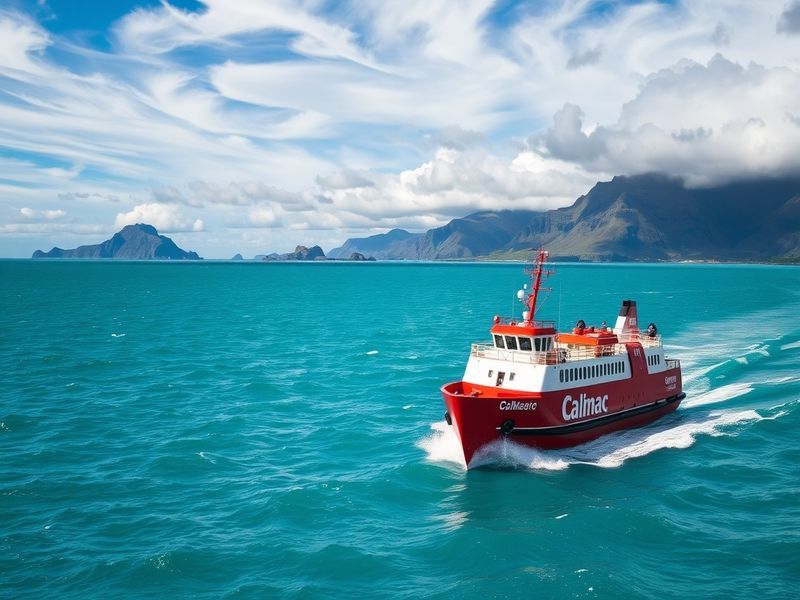
Introduction to CalMac Ferries
CalMac Ferries, officially known as Caledonian MacBrayne, plays a vital role in connecting the islands of Scotland with the mainland. Operating since the 1850s, this service has developed into a crucial transportation network that supports both residents and tourists alike. The ferries not only provide essential connectivity but also serve as a means for travelers to explore the stunning landscapes and rich culture of the Scottish islands.
Routes and Services
The CalMac fleet operates over 30 routes, primarily serving the Inner and Outer Hebrides. Each route has its own unique charm, often featuring breathtaking views of the Scottish coastline and opportunities to spot wildlife. Popular routes include:
- Oban to Mull – A short crossing that offers stunning views of the islands.
- Uig to Tarbert – Connecting the Isle of Skye with Harris, this route showcases the rugged beauty of the Highlands.
- Wemyss Bay to Rothesay – A quick journey that serves the Isle of Bute, ideal for day-trippers.
CalMac also provides additional services such as bicycle and car transport, ensuring that travelers can explore the islands with ease. The ferries are equipped with amenities that enhance the passenger experience, including onboard cafes and scenic viewing areas.
Cultural Significance
CalMac Ferries is more than just a transportation service; it is a lifeline for the communities it serves. Many residents rely on the ferries for daily commutes, medical appointments, and supplies. The service also plays a vital role in the local economy, supporting tourism by facilitating easy access to some of Scotland’s most remote areas.
Tourism to the islands has surged in recent years, with visitors drawn to the rich history and natural beauty of the region. Festivals, local crafts, and traditional music are just a few aspects of island life that attract travelers. The ferries serve as a bridge not only between the mainland and the islands but also between cultures, allowing visitors to experience the distinct traditions of each island.
Environmental Considerations
As with many transportation services, CalMac Ferries faces environmental challenges. The impact of emissions from ferries has prompted discussions about sustainability. The company has taken steps to reduce its carbon footprint, including investing in more eco-friendly vessels and exploring alternative fuels.
Efforts include:
- Upgrading older vessels to meet modern environmental standards.
- Implementing waste management practices onboard.
- Exploring the use of hybrid or electric ferries in the future.
These measures are essential not only for the health of the islands but also for the preservation of their natural beauty, which is a significant draw for tourists.
Conclusion
CalMac Ferries stands as a pillar of connectivity, culture, and sustainability in Scotland. Its extensive network of routes facilitates the movement of people and goods, while also promoting the unique heritage of the islands. As the service continues to adapt to the changing needs of the community and the environment, it remains a vital part of Scotland’s transportation landscape. Whether you are a local resident or a curious traveler, a journey on a CalMac ferry offers an unparalleled experience that showcases the beauty and culture of Scotland’s islands.
For more on travel and transportation options in Scotland, visit our Travel section. If you’re interested in exploring the cultural aspects of Scotland, check out our Culture category for more insights.