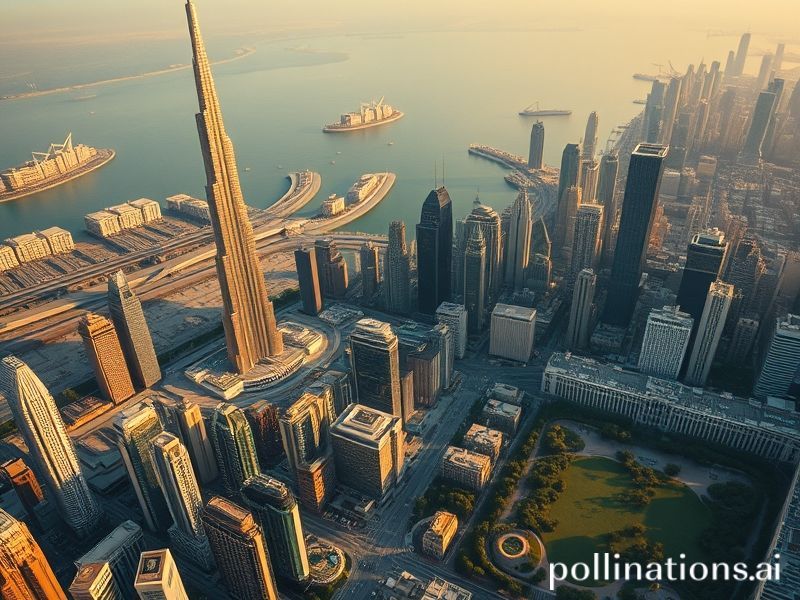
The corridor between Puebla and Querétaro has quietly become one of Mexico’s most influential regions, blending colonial heritage with rapid modernization. While both cities often receive attention individually, their interconnected growth tells a more compelling story—one of economic synergy, cultural exchange, and urban transformation. This relationship is redefining Central Mexico’s role in the country’s development.
Historical Roots and Shared Identity
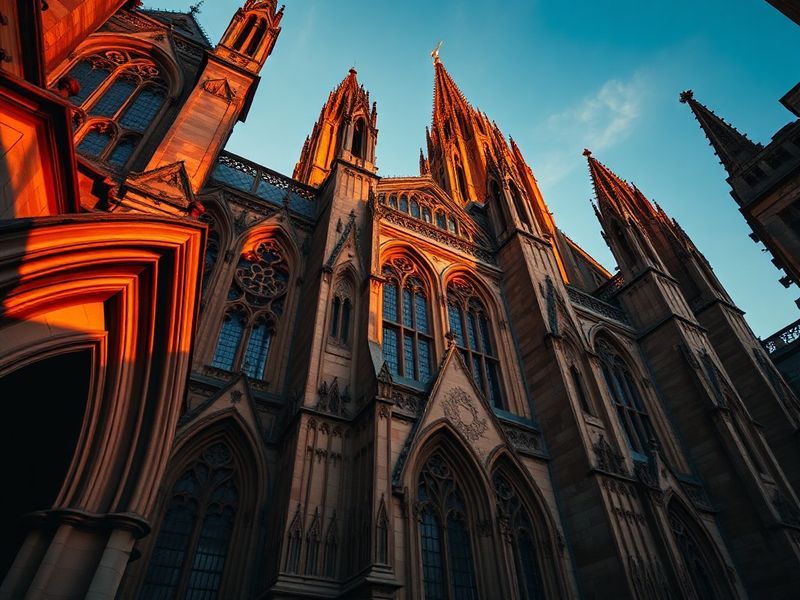
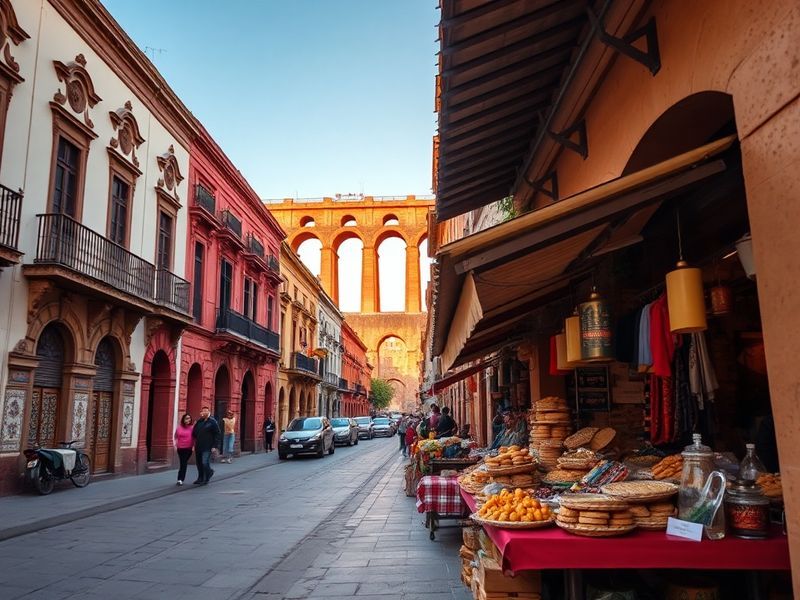
Both Puebla and Querétaro boast deep colonial histories that shaped their architectural and cultural landscapes. Puebla, founded in 1531, is renowned for its Baroque churches and talavera pottery, while Querétaro, established in 1531 as well, served as a key stop on the silver route. Their shared colonial past is visible in their well-preserved historic centers, both UNESCO World Heritage Sites.
Their historical ties extend beyond architecture. Both cities played pivotal roles in Mexico’s independence movement—Puebla as the site of the 1862 Battle of Cinco de Mayo and Querétaro as the execution site of Emperor Maximilian I. This shared legacy fosters a sense of regional pride that persists today.
Economic Synergy Driving Growth
The Puebla-Querétaro corridor is more than just a geographic connection; it’s an economic powerhouse. The region accounts for nearly 10% of Mexico’s GDP, driven by manufacturing, automotive production, and aerospace industries. Major companies like Volkswagen, Audi, and Bombardier have established operations here, creating thousands of jobs and attracting international investment.
This industrial growth has spurred infrastructure projects, including the expansion of Highway 15D, which reduced travel time between the cities from three hours to just over two. The improved connectivity has facilitated the movement of goods and workers, reinforcing the corridor’s economic significance.
Additionally, the region benefits from its proximity to Mexico City, allowing for the decentralization of industries and reducing pressure on the capital’s overburdened infrastructure. As multinational corporations seek alternatives to Mexico City’s high costs, Puebla and Querétaro offer a compelling alternative.
Key Industries in the Puebla-Querétaro Corridor
- Automotive Manufacturing: Home to Volkswagen’s largest plant in the Americas and Audi’s first Mexican assembly facility.
- Aerospace: Querétaro is a growing hub for aerospace manufacturing, with companies like Bombardier and Safran establishing operations.
- Food and Beverage: Puebla’s culinary traditions, including mole poblano and chalupas, contribute to a thriving food industry.
- Tech and Innovation: Querétaro’s universities and research centers are fostering startups in biotechnology and renewable energy.
Cultural Exchange and Urban Development
The relationship between Puebla and Querétaro extends beyond economics. Their cultural exchange is vibrant, with festivals, art exhibitions, and academic collaborations strengthening ties. Events like Querétaro’s Festival Internacional Cervantino and Puebla’s Feria de Puebla attract visitors from across Mexico and beyond, fostering tourism and cultural pride.
Urban development in both cities reflects this dynamic relationship. Puebla’s historic center has seen a revival in recent years, with adaptive reuse projects turning colonial buildings into boutique hotels and cultural spaces. Querétaro, meanwhile, has embraced modern urban planning, with pedestrian-friendly zones and green initiatives like the Corredor Cultural Querétaro.
This blend of old and new is attracting a younger, creative demographic. Artists, entrepreneurs, and remote workers are relocating to the region, drawn by its affordability compared to Mexico City and its rich cultural offerings.
The Broader Implications for Mexico
The Puebla-Querétaro corridor is a case study in regional development. Its success highlights the potential of secondary cities to drive economic growth, reducing reliance on Mexico City and other megacities. This model could be replicated in other parts of the country, particularly in regions with strong historical and economic connections.
However, challenges remain. Rapid urbanization has led to issues like traffic congestion, housing shortages, and environmental concerns. Both cities must balance growth with sustainability to ensure long-term prosperity. Efforts like Querétaro’s public transportation expansions and Puebla’s green space initiatives are steps in the right direction.
Moreover, the corridor’s growth has implications for Mexico’s global competitiveness. By positioning itself as a manufacturing and innovation hub, the region can attract more foreign investment and strengthen its role in global supply chains. This could be particularly significant as companies seek to diversify their operations away from China and other high-cost regions.
For travelers and investors alike, the Puebla-Querétaro corridor offers a compelling opportunity. Whether exploring colonial architecture, sampling regional cuisine, or tapping into a thriving business ecosystem, the region delivers experiences and advantages that are hard to find elsewhere in Mexico.
Why This Matters for Investors and Travelers
- Investment Opportunities: The region’s industrial growth and infrastructure improvements make it an attractive destination for foreign investors.
- Cultural Richness: From Puebla’s culinary traditions to Querétaro’s festivals, the corridor offers a deep cultural experience.
- Quality of Life: Compared to Mexico City, both cities offer a higher quality of life at a lower cost.
- Connectivity: Improved transportation links make it easier to travel between the two cities and beyond.
For those looking to explore beyond Mexico’s most famous destinations, the Puebla-Querétaro corridor is a hidden gem worth discovering. Its blend of history, culture, and economic vitality makes it a model for regional development in Mexico and beyond.
As the region continues to evolve, its story will likely serve as a blueprint for other parts of the country seeking to balance growth with tradition. For now, Puebla and Querétaro stand as a testament to the power of collaboration and the potential of Mexico’s secondary cities.
For more on travel and cultural insights in Mexico, visit our Travel and Culture sections.