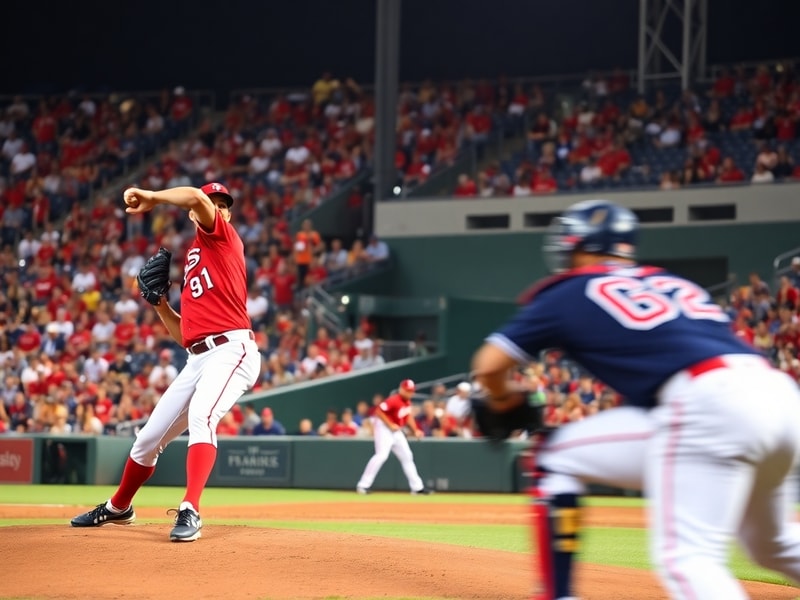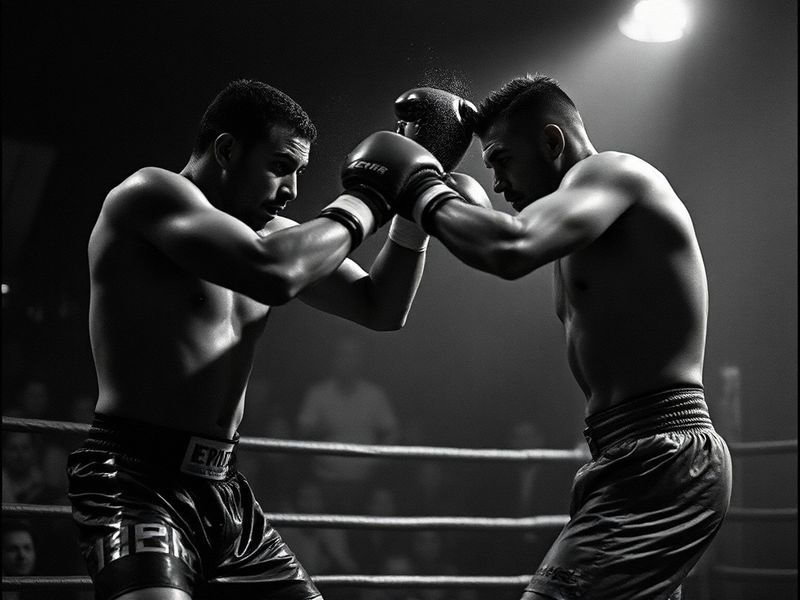
Across college campuses and urban playgrounds, a new athletic phenomenon has quietly gained momentum. Known as trey smack, this streetball variant blends elements of basketball with its own distinct rules and culture. While it remains largely underground, the sport has become a staple in pickup games from New York to Los Angeles, drawing players who seek both physical challenge and social connection.
Unlike traditional basketball, trey smack emphasizes long-range shooting and quick, high-stakes plays. The name itself comes from the “trey”—a basketball term for a three-point shot—and the aggressive, sometimes reckless style of play. Players often describe it as a test of skill, nerve, and adaptability, where a single shot can decide a game.
The Origins and Evolution of Trey Smack
Trey smack didn’t emerge from a formal league or official rulebook. Instead, it evolved organically from streetball culture, which has long thrived on improvisation and local flavor. The sport likely traces its roots to the 1990s and early 2000s, when three-on-three games became popular in urban centers. Players began adding their own twists, including unlimited three-point shots and winner-takes-all stakes.
By the 2010s, trey smack had developed into a recognizable format. Games are typically played on half-courts with no dribbling restrictions beyond standard basketball rules. The only true constants are the emphasis on long-range shooting and the high-pressure environment. Some variations allow for “hot spots”—designated areas where shots beyond a certain distance count for extra points.
Social media has played a crucial role in its spread. Clips of jaw-dropping treys and buzzer-beaters regularly circulate on platforms like Instagram and TikTok, turning local players into viral stars overnight. This digital exposure has helped trey smack transition from a neighborhood pastime to a nationwide trend, particularly among Gen Z athletes who value authenticity and intensity.
How to Play: Rules and Variations
While trey smack lacks a single official rulebook, certain conventions have solidified over time. Below are the core elements most players agree on:
- Court Setup: Half-court, typically with one hoop. Some versions use two hoops for faster-paced games.
- Players: Three-on-three is the standard, though variations exist for two-on-two or four-on-four.
- Scoring: Every shot made is worth one point, but long-range makes—especially from designated zones—can earn bonus points.
- Possession: Games often start with a jump ball or rock-paper-scissors. After each score or change of possession, play restarts from the top of the key.
- Winning: First team to reach a set score (usually 11 or 15) or hold a two-point lead after a certain time wins. Overtime rules vary.
- Fouls: Contact is allowed, but excessive pushing or dangerous plays can result in free throws or a turnover.
Notable regional differences add flavor to the game. In Chicago, players might use a “no dribble” rule after a certain point. In Los Angeles, games often include a “hot spot” beyond the three-point line where makes count for two. Meanwhile, East Coast players favor faster transitions and more physical defense.
This flexibility is part of trey smack’s appeal. It’s a game that can be adapted to any environment, whether it’s a cracked asphalt court in Brooklyn or a polished gym floor in Austin. The only real requirement is a ball and a hoop—and the willingness to take a deep shot.
The Culture and Community Behind Trey Smack
More than just a game, trey smack reflects a broader cultural shift in sports. It champions individual expression over rigid team structures. Players aren’t bound by positions or playbooks; they’re judged solely on their ability to score from anywhere on the court. This has made the sport especially popular among creative athletes who thrive under pressure.
It’s also a deeply social experience. Trey smack games often double as social events, where players rotate in and out, trash talk flows freely, and new rivalries are born. The absence of referees means games rely on mutual respect—and sometimes heated negotiations. Disputes are typically settled through replayed shots or sudden-death rounds, adding to the drama.
The sport has also become a platform for self-expression. Players customize their gear with bold designs, and many incorporate signature moves into their trey smack repertoire. Some have even built personal brands around their skills, streaming games online or offering training sessions to aspiring players.
This blend of athleticism and authenticity resonates with younger generations who value realness over polish. Trey smack aligns with the rise of alternative sports like pickleball and spikeball, which prioritize accessibility and fun over traditional competition. Yet it retains a raw edge that sets it apart—this is a game built for the streets, not the arena.
Broader Implications: What Trey Smack Reveals About Modern Sports
The rise of trey smack isn’t just about a new way to play basketball. It signals a larger evolution in how people engage with sports. In an era dominated by structured youth leagues and data-driven training, trey smack offers something different: freedom. Players choose when, where, and how to compete. There are no coaches, no tryouts, and no parental carpools—just the game and the players themselves.
This informality has broader implications for sports culture. It democratizes access to athletic competition. Anyone with a ball and a hoop can play, regardless of socioeconomic background or formal training. The sport thrives in environments where resources are limited but creativity is abundant. In that sense, trey smack is as much a social equalizer as it is a game.
It also highlights the changing role of spectatorship. Unlike traditional sports, trey smack games often draw organic crowds—friends, classmates, and passersby who stop to watch a particularly clutch shot. The rise of mobile streaming has amplified this, turning local games into viral content. This challenges the traditional model of sports media, which relies on professional leagues and broadcast rights.
Moreover, trey smack reflects a shift in values among young athletes. In a world where college recruitment and professional pipelines often dictate youth sports, trey smack emphasizes joy, spontaneity, and self-expression. It’s a reminder that sports can be about more than just performance—they can be about community, culture, and personal growth.
Of course, challenges remain. The lack of organization means inconsistent rules and occasional conflicts. Some players view it as a stepping stone to traditional basketball, while others embrace it as a lifelong pursuit. But for now, trey smack continues to grow, carving out its own niche in the athletic landscape.
A Look Ahead: The Future of Trey Smack
As trey smack gains visibility, questions arise about its future. Could it transition from an underground movement to a recognized sport? Organizations like the Sports section on Dave’s Locker are already tracking its rise, offering platforms for players to connect and compete.
There’s also potential for structured leagues or even exhibition games between top players. Imagine a trey smack tournament broadcast on social media, complete with commentary, player profiles, and fan engagement. The format’s fast pace and high-stakes moments make it ideal for digital audiences.
Yet the sport’s grassroots nature may be its greatest strength. Trey smack thrives because it belongs to the players, not to sponsors or media conglomerates. Its future will likely depend on whether that spirit can be preserved as it grows.
For now, the best place to experience trey smack is on a half-court somewhere, under a flickering streetlight or a midday sun. The sound of a swish echoes. A crowd gathers. And for a few moments, the game belongs to everyone who steps onto the court.
One shot. One game. Countless stories.
For more on streetball culture and emerging sports trends, visit Dave’s Locker Sports.